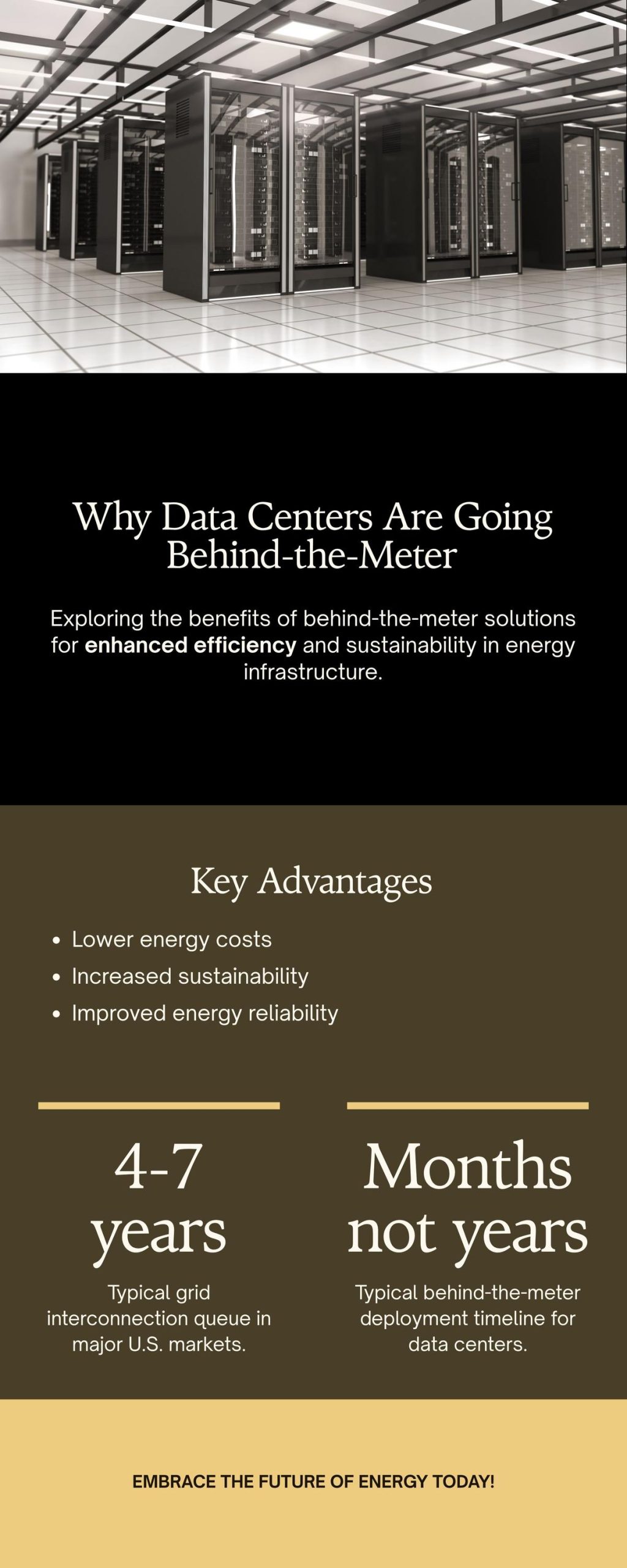
Energy costs for commercial properties have become unpredictable, squeezing your budget and complicating long-term planning. You can reduce energy cost volatility by combining on-site solar, battery storage, and smart financing strategies. This practical playbook walks you through stabilizing your utility bills while tapping into federal solar incentives and state programs to boost cash flow and cut risk. Ready to see how solar for commercial properties can work for you? Visit this guide to learn more.
Stabilize Energy Costs with Solar
Are you tired of unpredictable energy costs? Solar energy can help stabilize those bills and give you peace of mind.
Benefits of On-Site Solar
On-site solar power is more than just a green choice. It’s a smart financial decision that can significantly cut your energy costs. By installing solar panels, you harness the sun’s power directly, reducing your reliance on fluctuating grid prices. Businesses that go solar often see their utility bills drop by a substantial margin, putting more money back into their budgets. Plus, solar panels can increase your property’s value, making it a wise investment for the future. They’re not just panels; they’re your ticket to more predictable energy expenses.
But that’s not all. Solar panels have a long lifespan, often exceeding 25 years, which means decades of savings. When you consider the potential tax incentives and rebates, the initial cost becomes even more manageable. Many businesses find that the reduction in their monthly expenses quickly offsets the upfront investment. As energy prices continue to rise, locking in your costs with solar becomes even more attractive.
Exploring Battery Storage for Businesses
Battery storage can be a game-changer for businesses using solar energy. By storing excess solar power, you can use it during peak times when electricity costs are higher. This not only saves money but also ensures a continuous power supply during outages. Imagine not worrying about blackouts affecting your operations. A reliable battery system can make that possible.
Another benefit is the potential to participate in demand response programs. These programs pay you for reducing energy use during peak demand times. By using stored energy instead of grid power, your business can earn money while staying fully operational. It’s a win-win situation that enhances your energy strategy.
Solar PPA for Commercial Use
A Solar Power Purchase Agreement (PPA) can be a great option if you’re hesitant about the upfront costs. With a PPA, a third party owns, operates, and maintains the solar system, and you purchase the generated electricity at a fixed rate. This setup means no initial investment from your side while enjoying lower energy costs.
Such arrangements allow you to focus financial resources on other business priorities. Over time, as energy prices inevitably climb, your fixed-rate contract ensures that your costs remain stable. It’s a simple way to enjoy the advantages of solar without the complexities of ownership.
Leveraging Federal and State Incentives
Let’s dive into the financial benefits that make going solar even more compelling.
Understanding the 30% Investment Tax Credit
The 30% Investment Tax Credit (ITC) can significantly reduce the cost of your solar project. This credit allows businesses to deduct 30% of their solar energy system costs from their federal taxes. It’s a powerful incentive designed to make solar more affordable. When you combine this with state incentives, the financial benefits become even more attractive.
Taking advantage of this credit means acting sooner rather than later, as such programs can change. By investing now, you lock in savings that might not be available in the future. This is one of the most effective ways to make solar energy work for you.
MACRS Depreciation for Solar Projects
MACRS, or the Modified Accelerated Cost Recovery System, lets you depreciate the cost of solar equipment over five years. This accelerated depreciation schedule allows businesses to recover their investments more quickly, boosting cash flow. By reducing taxable income, MACRS ensures that the financial benefits of solar extend beyond immediate savings.
This tax advantage is especially beneficial for companies looking to improve their bottom line. It represents a strategic financial tool that enhances solar’s value proposition. For businesses looking to optimize their tax strategy, understanding and leveraging MACRS is crucial.
Direct Pay Opportunities for Nonprofits
Nonprofits usually can’t take advantage of tax credits, but Direct Pay options change that. These programs allow eligible organizations to receive a cash payment equivalent to the tax credit. This means nonprofits can still access the financial benefits of solar without a tax liability.
Imagine reinvesting those savings back into your mission. Direct Pay makes it easier for schools, churches, and other nonprofit entities to transition to clean energy. It’s a financial boost that supports sustainability goals while freeing up resources for core activities.
Smart Financing for Commercial Solar
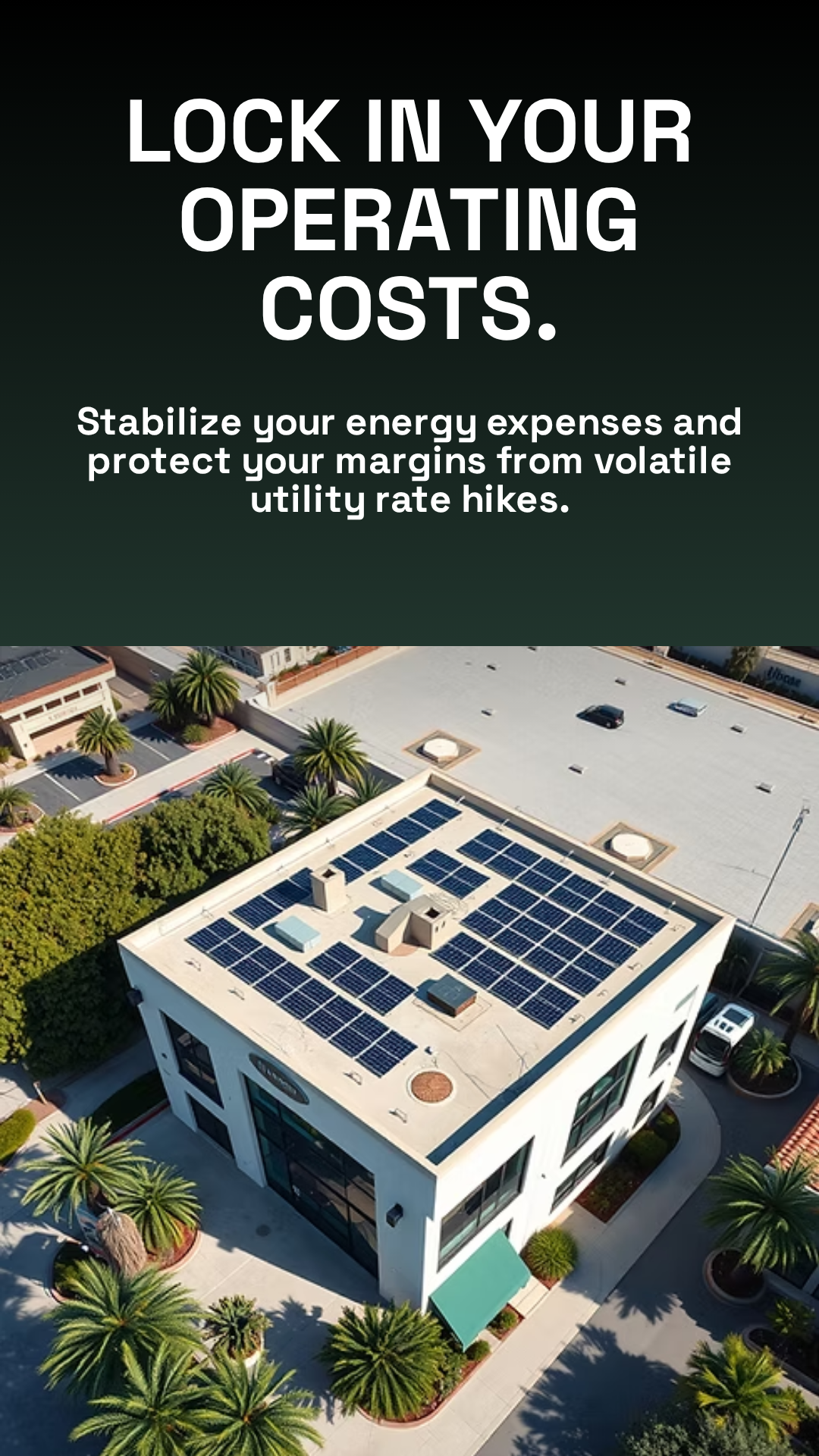
Choosing the right financing can make all the difference in your solar journey.
Flexible Commercial Solar Financing Options
Various financing options cater to different business needs. Whether it’s loans, leases, or PPAs, each option has unique benefits. You can choose a plan that aligns with your cash flow and financial goals. Some businesses prefer owning their systems, while others enjoy the simplicity of a lease or PPA.
Understanding these options helps you make informed decisions. With the right choice, solar becomes not just affordable, but also a strategic asset for your business. It’s about finding what fits your financial landscape best.
Achieving Fixed Energy Costs
One of the main benefits of going solar is achieving fixed energy costs. By locking in rates, you protect your business from future price hikes. This predictability allows for better budget planning and reduces financial stress.
With solar, you’re not just saving money today; you’re securing your financial future. This stability is invaluable in an ever-changing market. It’s about taking control of your energy expenses and ensuring long-term savings.
Utility Bill Stabilization Strategies
Stabilizing utility bills is about more than just installing solar panels. It’s about implementing comprehensive strategies that ensure consistent savings. From optimizing energy consumption to leveraging net metering, these tactics can make a real difference.
Taking a holistic approach means looking at all aspects of your energy use. By doing so, you can maximize savings and achieve greater efficiency. It’s the go-to strategy for businesses aiming to reduce energy cost volatility.
In conclusion, harnessing solar energy can revolutionize how you manage energy expenses. By exploring on-site solar, battery storage, and smart financing, your business can stabilize costs and enhance cash flow. Don’t miss out on the opportunities that federal and state incentives offer. Embrace the potential of solar and secure a more predictable energy future today.