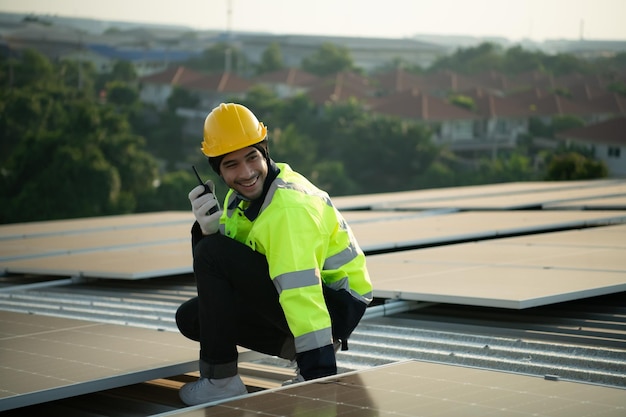
Data center energy consumption drives unpredictable costs that eat into your budget every month. You need a way to cut data center power costs while smoothing out spikes from demand charges and peak usage. Onsite solar paired with battery energy storage systems offer a smart path to reduce data center opex, tap into federal solar tax credits, and improve cash flow—without sacrificing uptime or resilience. Read on to see how Raya Solar guides you through every step. For more insights, explore this resource.
Cutting Data Center Power Costs
Finding effective ways to manage energy costs is crucial for data centers. Solar energy offers a promising solution, allowing you to stabilize expenses and improve financial health.
Solar for Data Centers Strategy
Solar power can significantly cut your energy bills. By installing solar panels, you harness free energy from the sun. This reduces reliance on costly grid electricity. Energy consumption in data centers is substantial, making solar a smart choice. Furthermore, solar systems can be scaled to meet the specific needs of your facility. This flexibility ensures that you make the most out of your investment. Solar can also integrate with existing infrastructure, offering a seamless transition to renewable energy. By choosing solar, you’re not just cutting costs but also investing in a cleaner, more sustainable future.
Battery Energy Storage Systems
Battery energy storage systems (BESS) complement solar power. They store excess energy generated during sunny periods, ensuring a steady supply even when the sun isn’t shining. This capability is crucial for data centers that require constant power. BESS can also provide backup during outages, enhancing resilience. These systems help you avoid peak demand charges by supplying stored energy during high-cost periods. As a result, your overall operational expenses decrease. By combining solar power with storage, you create a reliable energy ecosystem. This setup not only supports your sustainability goals but also strengthens your financial stability.
Demand Charges and Peak Shaving
Demand charges can significantly impact your energy bills. They are based on the highest level of power your facility draws over short periods. Peak shaving helps manage these charges by reducing power use during peak times. Solar panels and BESS can work together to achieve this. During peak demand, stored energy can be used, minimizing reliance on expensive grid power. This approach smooths out consumption spikes and lowers energy costs. Over time, effective peak shaving strategies lead to substantial savings. Implementing these solutions positions your data center for long-term financial success.
Leveraging Federal Incentives

Taking advantage of federal incentives can make solar investments more affordable. These programs are designed to encourage the adoption of clean energy technologies.
Section 48 ITC and Tax Credits
The Section 48 Investment Tax Credit (ITC) is a powerful incentive for solar projects. It allows you to deduct a significant portion of your solar investment from your federal taxes. By reducing upfront costs, the ITC makes solar projects more financially viable. This credit applies to both the solar panels and the installation costs. Leveraging the ITC can accelerate your return on investment. Understanding and utilizing these tax credits can enhance your financial planning and boost your bottom line.
Inflation Reduction Act Bonuses
The Inflation Reduction Act offers additional bonuses for solar projects. These bonuses reward projects that utilize domestic content and benefit energy communities. Such incentives further reduce the cost of solar installations. They also support broader economic and social goals, making your project more attractive. By aligning with these incentives, you gain financial advantages while contributing to community development. This dual benefit strengthens the case for investing in solar energy.
MACRS Bonus Depreciation
The Modified Accelerated Cost Recovery System (MACRS) allows for accelerated depreciation of solar assets. This tax benefit lets you recover costs more quickly, improving cash flow. With bonus depreciation, you can write off a large portion of your investment in the first year. This strategy enhances the economic return of your solar projects. Taking advantage of MACRS can significantly impact your financial outlook, making solar investments more appealing.
Achieving Sustainability and Savings
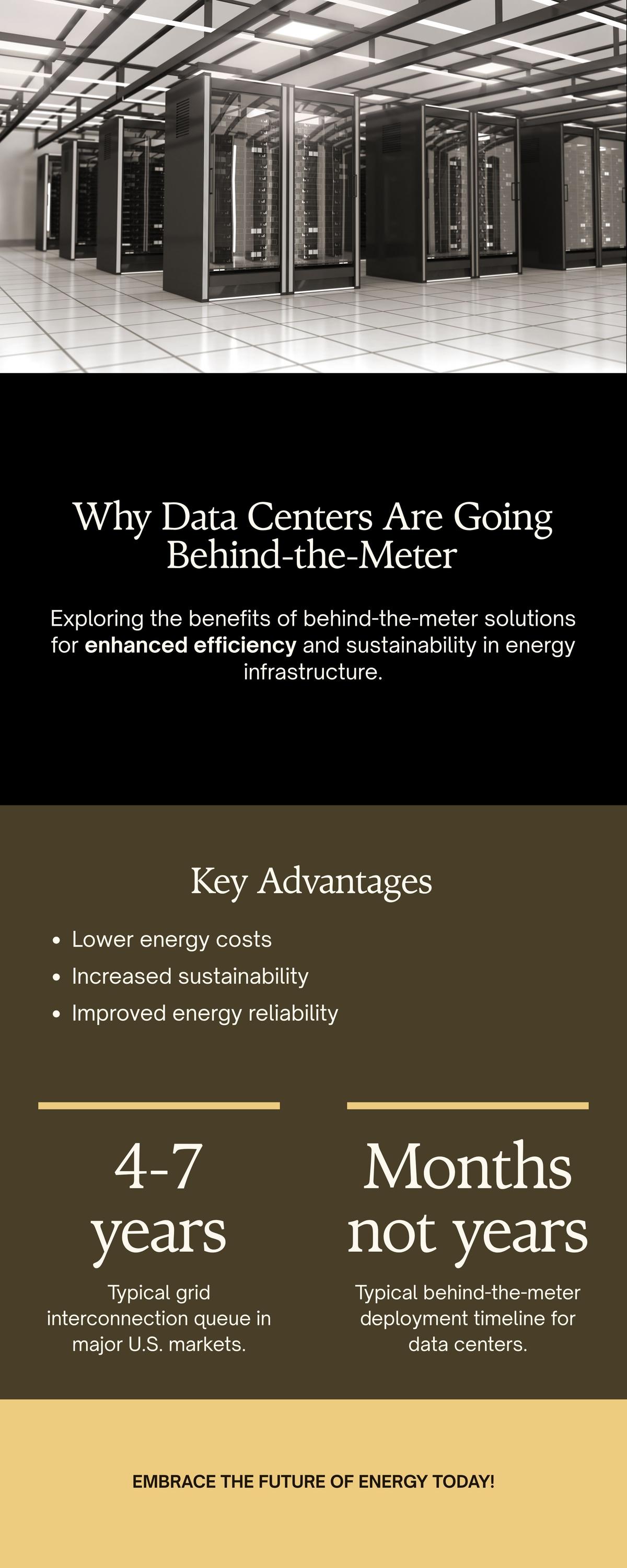
Solar energy not only cuts costs but also promotes sustainability. Implementing these solutions ensures your data center operates efficiently and responsibly.
Colocation Sustainability Practices
Sustainability is increasingly important in the data center industry. Colocation providers can enhance their green credentials by adopting solar energy. This shift reduces Scope 2 emissions, aligning with environmental goals. By integrating solar, you attract eco-conscious clients and meet regulatory requirements. Sustainable practices also improve your facility’s marketability. Embracing solar energy positions your data center as a leader in sustainability, providing a competitive edge.
Microgrid for Data Centers
A microgrid offers a robust solution for data centers. It consists of solar panels, battery storage, and control systems, ensuring reliable power. Microgrids can operate independently or alongside the main grid. This flexibility enhances resilience and uptime. By implementing a microgrid, you gain control over your energy supply. This setup reduces dependency on external power sources, lowering costs. A microgrid ensures your data center remains operational, even during grid failures.
Utility Rate Hedging Benefits
Utility rate hedging protects against fluctuating energy prices. By securing fixed rates, you stabilize long-term energy costs. Solar and storage solutions facilitate this strategy by providing predictable energy outputs. This approach mitigates financial risk and supports budget planning. Utilizing hedging strategies ensures your data center remains competitive. By managing energy expenses effectively, you safeguard your financial future.
Frequently Asked Questions
What is a battery energy storage system (BESS)?
A Battery Energy Storage System (BESS) stores energy for later use. It helps manage energy demand, provides backup power, and enhances the reliability of solar energy systems. By storing excess solar energy, BESS ensures a consistent power supply even when solar generation is low.
How does solar energy reduce demand charges?
Solar energy reduces demand charges by decreasing reliance on grid power during peak demand periods. When combined with battery storage, solar systems can supply energy when demand and grid electricity costs are highest, thus lowering demand charges.
What are the benefits of the Section 48 ITC?
The Section 48 Investment Tax Credit (ITC) allows businesses to deduct a large portion of their solar investment from federal taxes. This incentive reduces the initial cost of solar projects, increasing financial viability and speeding up the return on investment.
How does a microgrid benefit data centers?
A microgrid provides a reliable power supply by integrating solar panels, battery storage, and control systems. It can operate independently from the main grid, enhancing resilience and uptime. This setup ensures data centers remain operational during grid outages, reducing dependency on external power sources.
Why is sustainability important for data centers?
Sustainability is crucial for data centers as it reduces environmental impact and meets regulatory standards. Implementing sustainable practices like solar energy use attracts eco-conscious clients and improves marketability, positioning data centers as leaders in environmental responsibility.