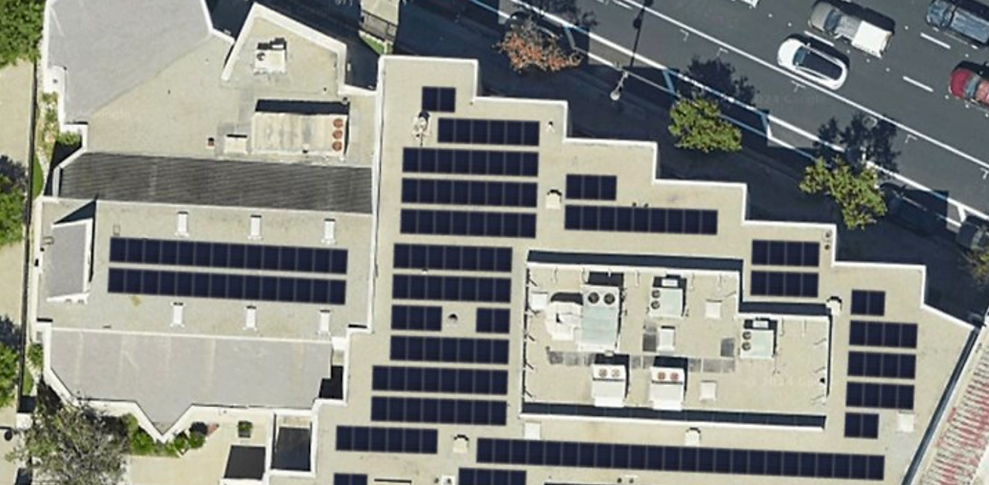
Rising energy costs are squeezing your budget more than ever. Commercial solar incentives now offer you a way to cut those costs while stabilizing your energy spend for years. With federal solar tax credit ITC and state programs stacking up, your next project could cover 70-90% of expenses—boosting cash flow and delivering strong commercial solar ROI. Ready to see how these savings fit your business? Learn more here.
Understanding Solar Incentives
Solar incentives can dramatically reduce your project’s net cost. By tapping into federal and state programs, you can turn a significant expense into a smart investment. Here’s how incentives work for your benefit.
Federal Solar Tax Credit
The federal solar tax credit, known as the ITC, is a significant opportunity. It allows you to deduct a portion of your solar installation costs from your federal taxes. Current laws allow a credit of up to 26% of the system’s cost. This makes solar more affordable and attractive for businesses aiming to cut overhead. By using the ITC, your business can lower the upfront cost considerably. This tax credit applies to both residential and commercial installations, making it a versatile tool for energy savings.
Understanding the federal solar incentives available can provide a clear financial advantage. With these tax credits, your initial investment sees a quicker return, enhancing your financial stability.
State Incentives Overview
State incentives vary widely but are crucial for maximizing financial benefits. Many states offer rebates, tax exemptions, and performance-based incentives. These programs aim to make renewable energy affordable and accessible. For instance, some states provide cash rebates based on system size. Others offer performance-based incentives that pay you for the electricity your system generates. These incentives can significantly lower your initial costs and improve solar ROI.
By understanding your state’s offerings, you can leverage local benefits to reduce costs. Discover how your state supports commercial solar projects, making it easier for you to plan financially.
Bonus Depreciation Benefits
Bonus depreciation for solar installations can further improve your financial outlook. This tax incentive allows businesses to recover a large percentage of the cost of solar property through depreciation deductions. MACRS, or Modified Accelerated Cost Recovery System, lets you accelerate the depreciation on your solar investment, enhancing cash flow. With bonus depreciation, you might recover up to 85% of the solar system’s cost in the first five years. This approach not only reduces taxable income but also boosts your savings.
By combining these benefits, your business can see substantial savings. Learn more about how solar incentives work to maximize your ROI and improve cash flow.
Financial Benefits of Commercial Solar

Solar power isn’t just good for the environment; it’s a financial game-changer. Beyond reducing energy costs, it comes with numerous financial perks that stabilize your business’s bottom line.
Stabilizing Long-Term Energy Costs
Locking in energy costs is a smart move. Solar energy provides predictability in a market of fluctuating utility rates. By generating your own electricity, you reduce dependence on the grid, shielding your business from rising energy prices. This stability translates to predictable budgeting and financial planning. Knowing your energy costs are fixed can provide peace of mind and a stronger financial outlook.
Investing in solar is like setting a fixed expense in an unpredictable market. This move not only cuts costs but also secures your financial future.
Improving Cash Flow with Solar
Solar investments can improve cash flow by reducing monthly energy expenditures. As utility bills decrease, your business retains more capital. This freed-up cash can be reinvested into operations, driving growth. Some businesses report savings of thousands of dollars annually, which is significant for any enterprise.
Choosing solar is choosing financial flexibility. With lower operating costs, your business can allocate resources more effectively, enhancing overall performance.
Reducing Operating Expenses
Reducing operational costs is a priority for any business. Solar energy helps achieve this by cutting utility expenses and offering tax benefits. By investing in solar, companies can significantly lower their monthly bills. Additionally, solar installations often come with minimal maintenance costs, further reducing expenses. The combination of lower energy bills and tax incentives results in a substantial decrease in overall operating costs.
Adopting solar energy is a strategic move toward financial efficiency. By reducing expenses, you boost profitability, making your business more competitive.
The Solar Implementation Process

Implementing solar energy is straightforward with the right guidance. From customized solutions to turnkey systems, the process is designed to be seamless and efficient.
Custom Solutions and Financing Options
Every business has unique energy needs. Custom solar solutions ensure these needs are met efficiently. Whether you operate a manufacturing facility or a nonprofit organization, tailored systems optimize energy production. Additionally, various solar financing options make solar accessible. From power purchase agreements to solar leases, there’s a financial solution for every business model.
By choosing a custom approach, you align solar investments with your business goals, ensuring maximum financial and operational benefits.
Turnkey Commercial Solar Systems
Turnkey solar systems simplify the transition to renewable energy. These all-inclusive packages cover everything from design to installation, ensuring a hassle-free experience. With a turnkey approach, businesses avoid the complexities of coordinating different service providers. This method ensures quality and efficiency, as the entire process is handled by experienced professionals.
For businesses seeking a smooth transition, turnkey systems offer convenience and reliability, allowing you to focus on your core operations.
Consulting and Energy Savings Reports
Expert consulting services guide you through the solar journey. Professionals provide insights into the best strategies for your business, ensuring you harness maximum benefits. Comprehensive energy savings reports offer a detailed analysis of potential savings and system performance. These reports help you understand the long-term financial impacts, enhancing decision-making.
Consulting services make solar adoption straightforward. With expert guidance, you can confidently navigate the process, ensuring your solar investment delivers expected returns.
Frequently Asked Questions
What is the federal solar tax credit for businesses?
The federal solar tax credit allows businesses to deduct a significant portion of solar installation costs from their federal taxes, currently offering up to 26% credit.
How do state solar incentives work?
State incentives vary but commonly include rebates, tax exemptions, and performance-based payouts, reducing the overall cost of solar installations for businesses.
What is bonus depreciation for solar investments?
Bonus depreciation enables businesses to recover a large percentage of solar property costs through accelerated depreciation deductions, enhancing cash flow.