Rising energy costs are squeezing your budget every month. You need a way to lock in stable, predictable expenses without adding risk. Commercial solar offers a financial solution that can reduce operational costs, backed by federal solar tax credit ITC, bonus credit adders, and smart financing options. This guide will show you how to evaluate solar for long-term energy cost stability and claim every available incentive—so you can make confident decisions for your business. Learn more about the long-term benefits of solar by visiting this article.
Evaluating Commercial Solar for Stability
Understanding Energy Cost Stability
Controlling energy costs is crucial for any business. Unpredictable expenses can strain budgets and profit margins. Solar energy offers a solution by stabilizing energy costs over time. When you install a commercial solar system, you essentially fix your energy expenses and protect your business against rising utility rates. This stability allows for more accurate budgeting and financial planning, giving your company a competitive edge.
Financial Benefits of Solar Systems
Switching to solar power can significantly impact your bottom line. By generating your own electricity, your business can save money on utility bills. Additionally, solar systems often come with tax benefits and incentives that can offset the initial investment. With potential savings on operational costs, solar becomes not just an energy solution but a financial strategy as well. Learn more about the savings potential from solar energy here.
Commercial Solar Savings Explained
Many businesses experience substantial savings after switching to solar. These savings come from reduced electricity bills and federal incentives. Over time, the return on investment (ROI) can be impressive. By generating your own power, your business reduces its dependency on the grid, which not only cuts costs but also increases energy independence. This long-term cost reduction is a key advantage for businesses considering solar energy. For a deeper dive into the future of solar energy costs, check out this resource.
Navigating Incentives and Financing

C&I Solar Incentives Overview
Incentives play a pivotal role in making solar more affordable for commercial and industrial (C&I) sectors. Federal and state programs offer various credits and grants that can cover a significant portion of installation costs. These incentives are designed to encourage businesses to adopt renewable energy solutions, making solar a financially viable option for many.
Federal Solar Tax Credit ITC and Adders
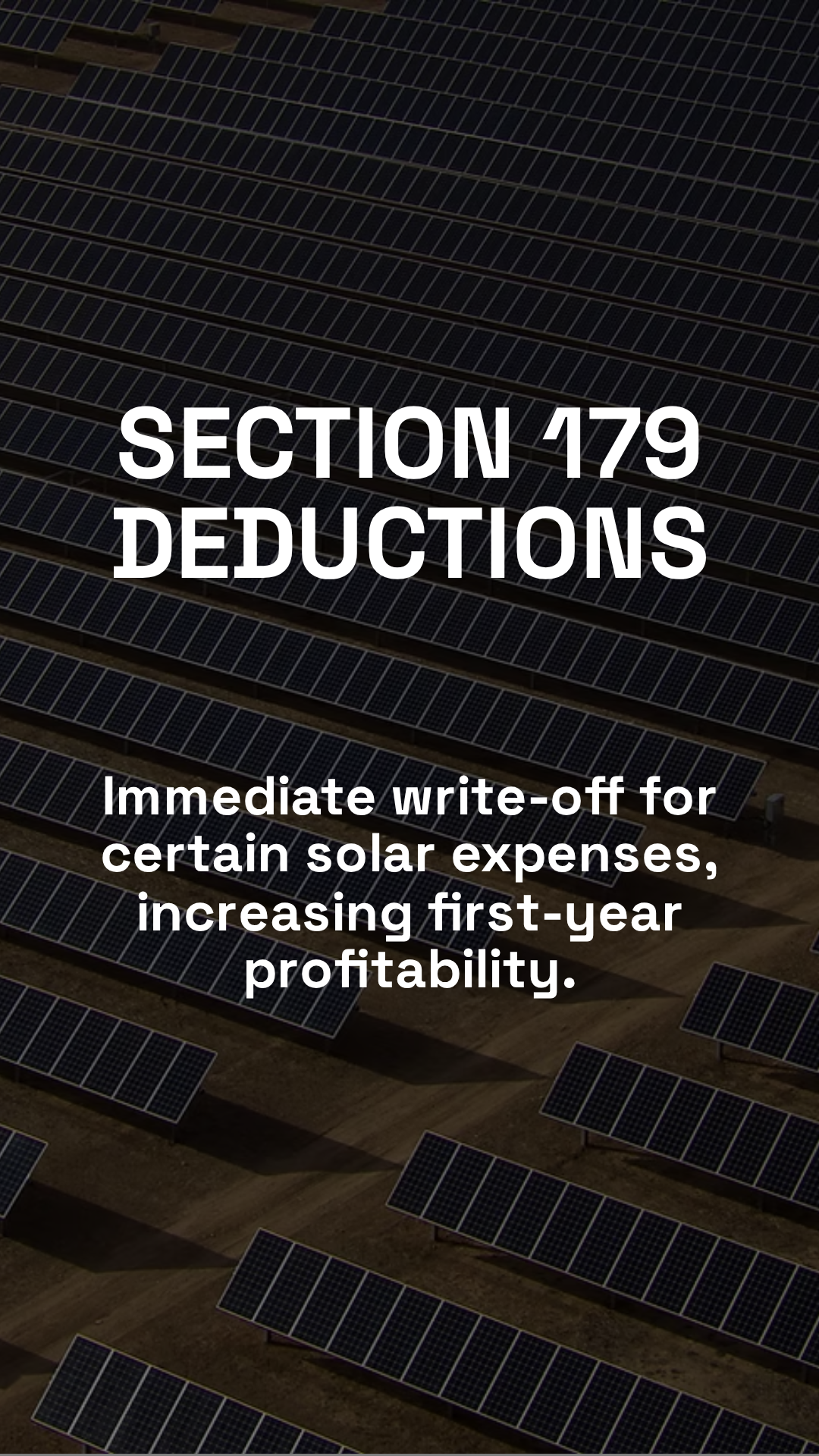
The federal solar tax credit, also known as the Investment Tax Credit (ITC), allows you to deduct a percentage of the cost of installing a solar energy system from your federal taxes. Additional incentives, such as bonus credit adders, can further enhance the financial benefits of going solar. These credits reduce the upfront cost and accelerate payback periods, making solar an attractive investment for businesses.
Exploring Commercial Solar Financing Options
Financing options for solar installations are diverse. From loans to leases and power purchase agreements (PPAs), businesses have multiple pathways to fund their solar projects. Each option has its benefits, allowing companies to choose the best fit for their financial situation. Understanding these options ensures that businesses can make informed decisions that align with their financial goals.
Risk Management and Long-Term Savings
Assessing Solar Payback Periods
Payback periods for solar investments vary based on system size, location, and available incentives. Typically, businesses can expect a payback period of 5 to 10 years. During this time, savings from reduced energy costs gradually offset the initial investment. Beyond the payback period, businesses continue to benefit from virtually free energy, leading to substantial long-term savings.
Ensuring Operational Cost Reduction
Solar installations can lead to significant reductions in operational costs. By lowering utility bills and taking advantage of tax incentives, businesses can allocate savings to other vital areas. This operational efficiency enhances overall financial health, allowing companies to invest in growth and innovation.
Leveraging Battery Storage for Businesses
Battery storage systems complement solar installations by storing excess energy for later use. This capability ensures that businesses have a reliable power source, even during outages or peak demand periods. By leveraging battery storage, companies can further stabilize energy costs and improve resilience against grid fluctuations.
Frequently Asked Questions
What is the Federal Solar Tax Credit?
The Federal Solar Tax Credit (ITC) allows businesses to deduct a portion of their solar installation costs from federal taxes, currently set at 26%. This incentive significantly reduces the initial cost of solar projects.
How does a Power Purchase Agreement (PPA) work?
A Power Purchase Agreement (PPA) is a financial arrangement where a third-party developer owns, operates, and maintains the solar system. The business agrees to purchase the energy generated at a predetermined rate, often lower than current utility rates.
Can solar panels help reduce demand charges?
Yes, solar panels can reduce demand charges by generating power during peak demand periods. By lowering the amount of energy drawn from the grid, businesses can minimize these charges and achieve further cost savings.