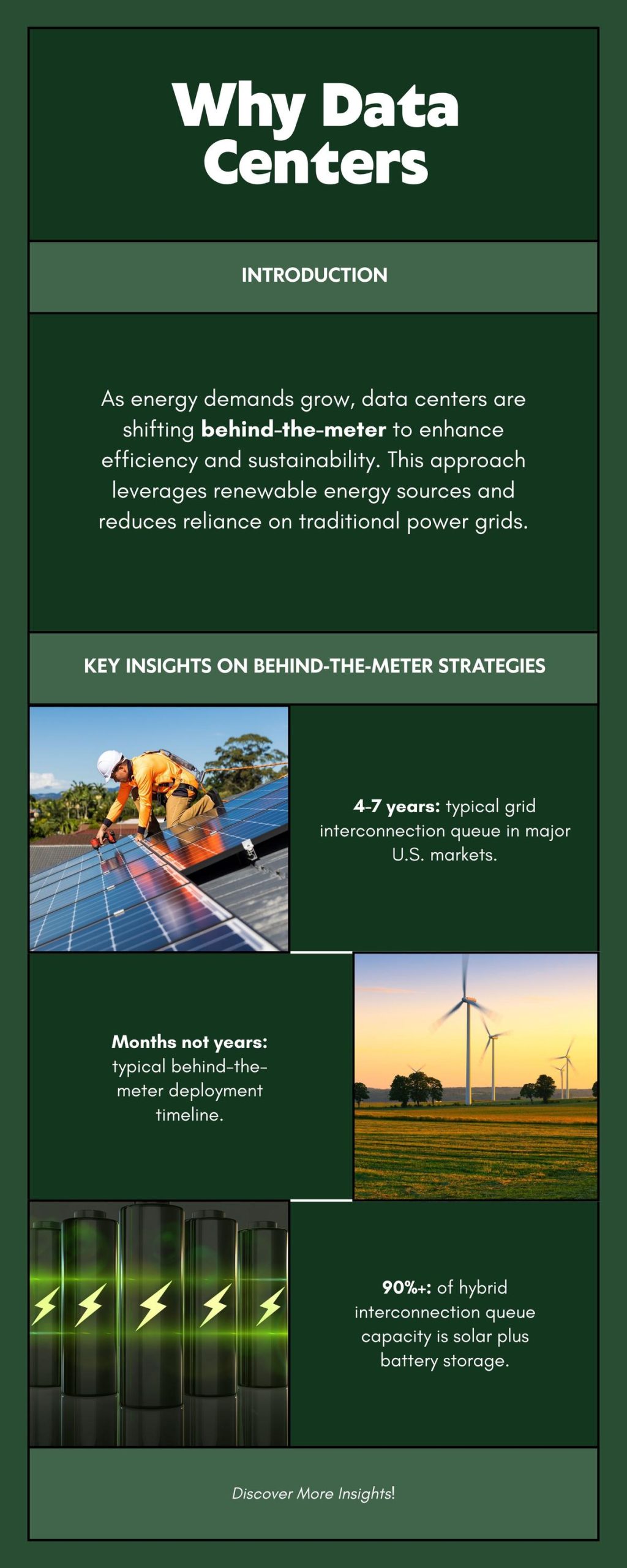
Rising energy costs are squeezing your budget and making expenses unpredictable. You need a way to reduce energy cost volatility and stabilize operating expenses without taking on extra risk. Commercial solar savings can turn those fluctuating bills into a reliable, lower expense — especially when federal solar incentives cover up to 90% of project costs. Let’s explore how smart solar and storage solutions can give your business control and improve cash flow. Check out strategies for managing energy costs in a volatile market.
Understanding Energy Cost Volatility
Energy cost volatility is a pressing concern for many businesses. Let’s look at why utility bills can be so unpredictable and what impact this has on your operations.
The Challenge of Unpredictable Utility Bills
Utility bills often fluctuate due to various factors, making it hard for businesses to budget accurately. Seasonal changes, market demands, and supply disruptions are just a few of the reasons your bills might spike unexpectedly. This unpredictability can strain your financial planning, forcing you to allocate more resources to cover these unexpected costs.
Businesses need stable expenses to plan effectively. Imagine knowing exactly how much you’ll spend on energy each month. It would free up resources and reduce stress. But with current utility systems, this consistency remains elusive. For more insights on how businesses can tackle this challenge, see strategic approaches to energy cost management.
Impact of Utility Rate Increases on Business
Rate increases are more than just numbers on a bill. They impact your bottom line and can influence decision-making across departments. When rates climb, your business might face tough choices, like reducing spend in other critical areas or even raising prices for customers.
For instance, a manufacturing company might see its costs rise by 15% due to increased utility rates. This spike could affect everything from production schedules to staffing. By anticipating these increases and planning accordingly, your business can navigate these waters more effectively. To learn more about protecting against energy price swings, visit hedging strategies for energy price volatility.
Solutions with Commercial Solar

Now, let’s explore how commercial solar can provide a solution to these challenges. By investing in solar energy, businesses can stabilize their energy costs and gain more control over their financial future.
Turnkey Commercial Solar and Storage Benefits
Turnkey solar systems offer a comprehensive solution. From planning and installation to maintenance, everything is handled for you. This all-in-one approach ensures that your solar system is optimized for performance and reliability.
With solar, you can transform an unpredictable expense into a manageable one. For example, a retail center using solar can significantly cut its utility bills. Instead of worrying about rate spikes, solar allows for predictable monthly expenses. Plus, the added benefit of storage means you can harness excess energy for later use, further maximizing savings. Learn more about how smart businesses are reducing energy costs using solar here.
Leveraging Commercial Battery Storage for Savings
Battery storage takes your solar savings a step further. By storing energy generated during peak sunlight, you can use it during high-demand periods. This approach helps avoid costly peak-time charges and ensures your business remains operational even during power outages.
Consider a logistics company that operates 24/7. With battery storage, they can maintain operations without interruption, even if the grid goes down. This capability not only protects against downtime but also contributes to a stable operating budget. Discover more about reducing energy expenses with strategic battery use in this comprehensive guide.
Financial Incentives for Solar Adoption
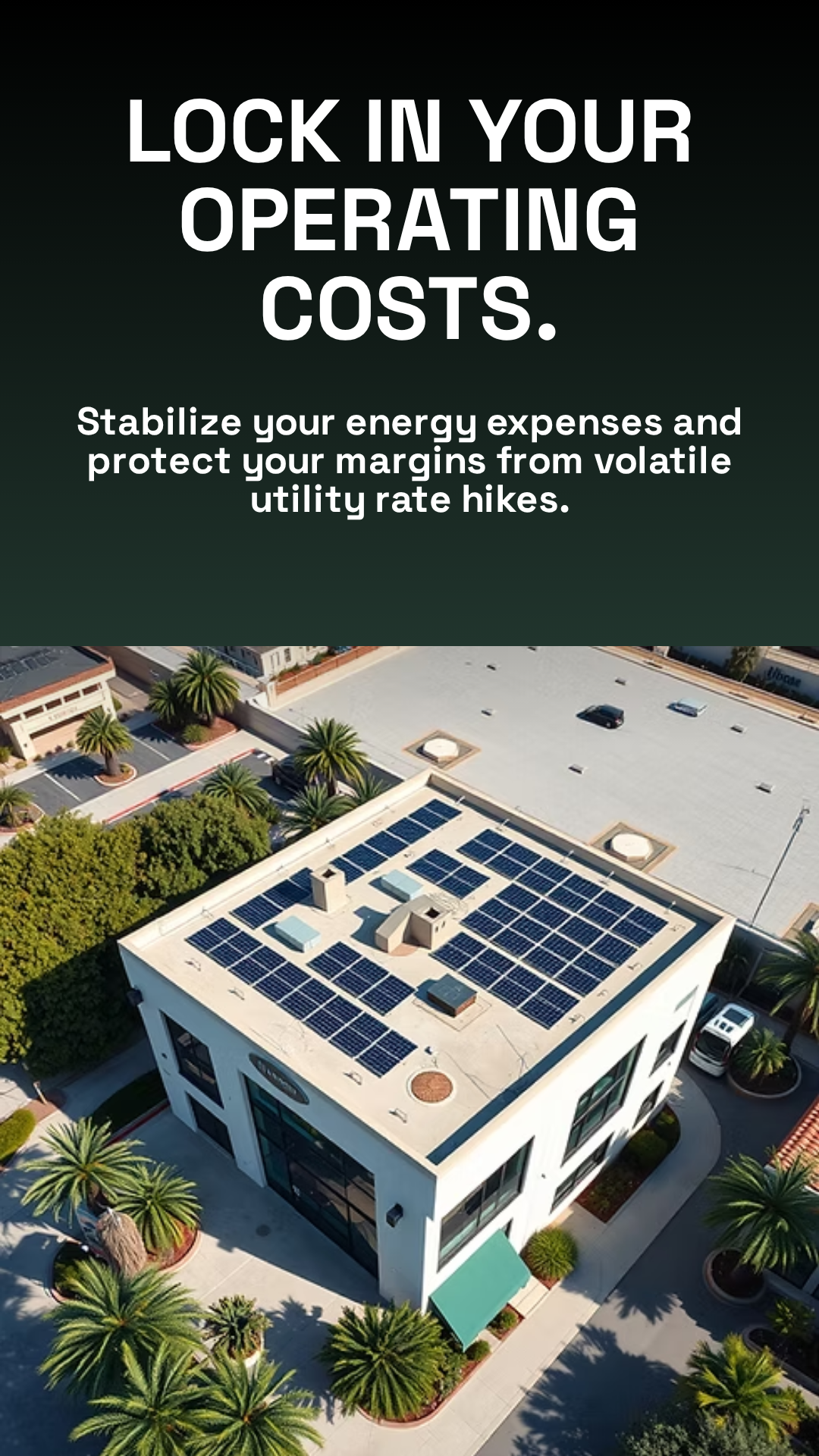
Financial incentives make solar more accessible than ever. Federal and state programs can cover substantial portions of your project costs, making the transition to solar a smart financial move.
Federal Solar Incentives and ITC Benefits
The federal Investment Tax Credit (ITC) is a significant benefit for businesses adopting solar. It offers a tax credit of up to 26% of your solar installation costs, reducing your overall investment. Additionally, bonus depreciation allows you to recover costs more quickly, further enhancing your savings.
For instance, if your solar project costs $200,000, you could receive a tax credit of $52,000 through the ITC. This incentive makes solar not just an option but a financially savvy decision for your business.
State Programs and Nonprofit Solar Incentives
State incentives vary, but many offer additional savings for solar projects. These can include rebates, grants, or even performance-based incentives that reward you for the energy your system generates. Nonprofits can also benefit from specific programs designed to support their transition to solar, ensuring sustainability goals are met without financial strain.
For nonprofits, these programs can cover up to 90% of installation costs. Schools and community organizations can harness solar energy, reduce overhead, and reinvest savings into their missions. By exploring available incentives, you can maximize your solar investment and make a meaningful impact on your operations and community.
In conclusion, embracing solar energy not only reduces energy cost volatility but also aligns with sustainable practices. By leveraging federal and state incentives, businesses can significantly lower their initial investment and enjoy long-term savings. Solar is more than a renewable energy source; it’s a strategic financial decision.