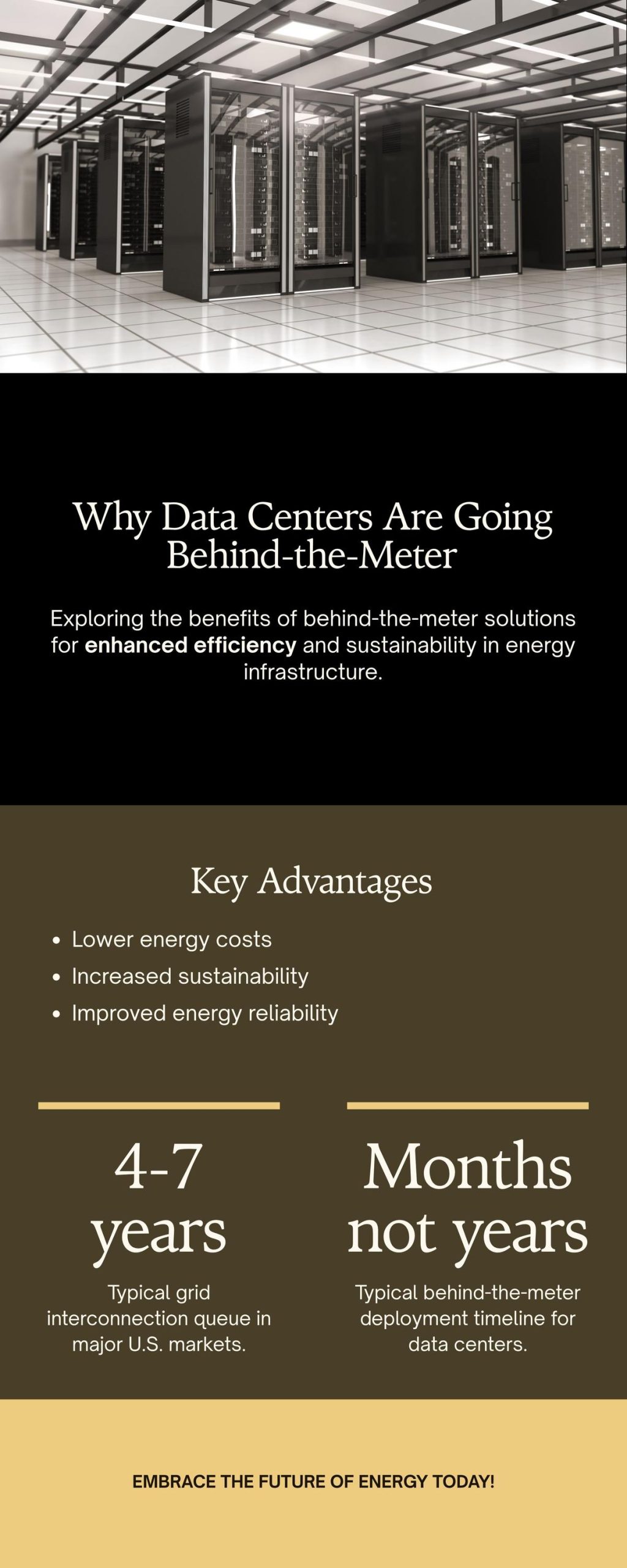
Energy bills spike without warning. That unpredictability can choke your cash flow and disrupt planning. Commercial solar cash flow solutions turn those volatile costs into steady, predictable energy expenses. In this post, you’ll see how solar and storage tackle demand charge reduction and how federal solar incentives like the Investment Tax Credit (ITC) and MACRS bonus depreciation can boost your industrial solar ROI. Ready to stabilize your energy costs? Request your free Energy Savings & Incentive Report and cash-flow model today—no obligation.
Stabilizing Energy Costs with Solar
Solar energy provides a reliable solution to the problem of unpredictable energy bills. By converting to solar, businesses can transform fluctuating expenses into stable, manageable costs.
Predictable Energy Costs for Businesses
Imagine knowing exactly what your energy costs will be each month. Solar energy offers you this peace of mind. By harnessing the power of the sun, businesses can lock in their energy rates, making budgeting a breeze. This stability allows you to allocate resources more effectively, ensuring that your financial planning is not disrupted by unexpected spikes in utility bills.
For energy-intensive facilities, like manufacturing plants, predictable energy costs are vital. These facilities often face high electricity demands, making the benefits of solar even more pronounced. With solar, you can maintain your operations smoothly without the constant worry of rising energy prices.
Demand Charge Reduction Solutions
Demand charges can significantly increase your energy expenses, especially during peak usage times. Solar energy offers a solution to this challenge by reducing the demand charge component of your bill. By generating your own electricity, you decrease your reliance on the grid during high-demand periods.
This reduction in demand charges leads to considerable savings. Many facilities have experienced a noticeable decrease in their energy expenses by implementing solar solutions. This approach not only saves money but also enhances your facility’s overall efficiency.
Battery Storage Peak Shaving Benefits
Battery storage is an excellent complement to solar energy. It allows you to store excess energy generated during the day for use during peak hours. This process, known as peak shaving, further reduces demand charges and maximizes your savings.
With battery storage, you can manage your energy use more effectively. By drawing on stored energy during peak periods, you can avoid high grid charges. This strategy ensures that your facility operates smoothly and cost-effectively, even when energy demands are at their highest.
Financial Incentives and Opportunities

Financial incentives play a significant role in making solar energy more accessible and affordable for businesses. By taking advantage of these opportunities, you can maximize your return on investment.
Federal Solar Incentives and ITC
The federal Investment Tax Credit (ITC) is one of the most attractive incentives available. It allows you to deduct a significant percentage of your solar installation costs from your federal taxes. This incentive significantly lowers the initial cost of going solar, making it a smart financial decision.
Businesses that invest in solar can benefit immensely from the ITC. Not only does it reduce the upfront cost, but it also accelerates your return on investment. This financial boost makes solar energy an appealing option for companies seeking long-term savings.
MACRS Bonus Depreciation Explained
The Modified Accelerated Cost Recovery System (MACRS) offers another financial advantage for businesses utilizing solar energy. It allows you to recover the cost of your solar investment through depreciation deductions over a specified period. This method accelerates the payback period, enhancing the financial viability of solar projects.
MACRS, combined with bonus depreciation, provides an additional layer of financial support. By taking advantage of these benefits, your business can enjoy a faster payback period and greater overall savings.
Elective Pay Direct Pay for Nonprofits
Nonprofit organizations can also benefit from solar energy through elective pay direct pay options. This approach allows nonprofits to receive a direct payment instead of a tax credit, making solar energy accessible even without taxable income.
By leveraging these financial structures, nonprofits can reduce their operational costs and redirect savings towards their core missions. This strategy not only supports sustainability goals but also strengthens the financial health of nonprofit organizations.
Commercial Solar Financing Options
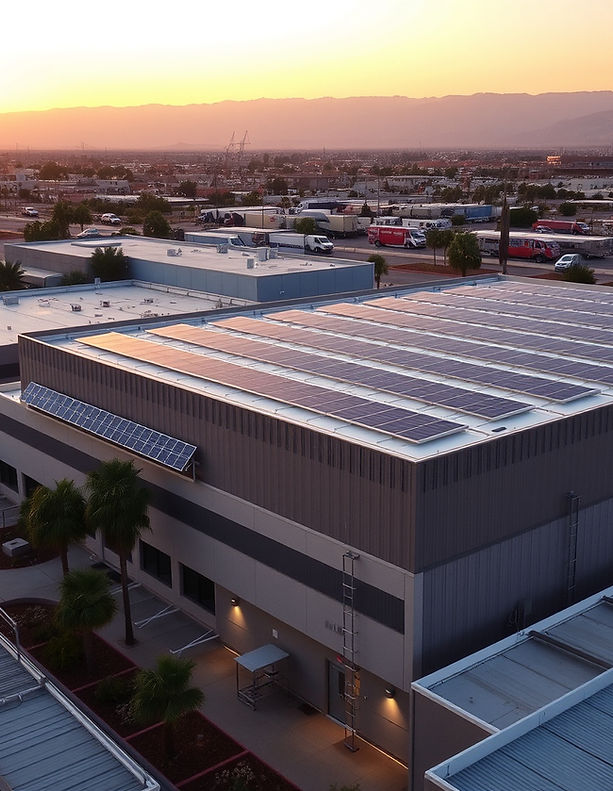
Understanding your financing options is crucial when considering a switch to solar energy. Various models are available to suit different business needs and financial goals.
Comparing Solar PPA vs Ownership
When deciding between a Power Purchase Agreement (PPA) and ownership, it’s essential to consider your business’s specific needs. A PPA allows you to pay for solar energy at a fixed rate without owning the system, reducing upfront costs. Ownership, on the other hand, involves purchasing the solar system outright, offering long-term savings and full control over the asset.
Each option has its benefits. PPAs provide immediate savings with minimal initial investment, while ownership offers greater financial returns over time. Understanding these differences helps businesses make informed decisions about their solar investments.
Energy Cost Hedge Strategies
Solar energy acts as a hedge against rising energy costs. By generating your own electricity, you protect your business from volatile market prices. This strategy ensures that your energy expenses remain stable, regardless of fluctuations in utility rates.
For businesses concerned about long-term energy costs, solar provides a reliable solution. It offers a predictable energy expense model, allowing for more accurate financial planning and reducing the risk of unexpected price increases.
Manufacturing Solar Solutions for ROI
Manufacturing facilities stand to gain significantly from solar energy. High energy demands make these facilities ideal candidates for solar solutions. By investing in solar, manufacturers can reduce operating costs and improve their return on investment.
Solar energy not only lowers energy expenses but also enhances operational efficiency. For manufacturing facilities, this means increased profitability and a stronger competitive edge in the market. By adopting solar, manufacturers can achieve substantial financial and environmental benefits.
Frequently Asked Questions
1. How does solar energy provide predictable energy costs?
Solar energy stabilizes energy expenses by allowing businesses to generate their own electricity. This reduces reliance on fluctuating utility rates, providing consistent and predictable energy costs.
2. What are demand charges and how can solar help reduce them?
Demand charges are fees based on peak energy usage. Solar energy reduces demand charges by generating electricity onsite, decreasing reliance on the grid during peak periods.
3. How can businesses benefit from the Investment Tax Credit (ITC)?
The ITC allows businesses to deduct a percentage of their solar installation costs from federal taxes, lowering the upfront investment and enhancing the financial viability of solar projects.
4. What is the difference between a solar PPA and ownership?
A solar PPA involves purchasing energy at a fixed rate without owning the system, while ownership entails buying the system outright, offering long-term savings and control.
5. Why are manufacturing facilities ideal for solar solutions?
Manufacturing facilities have high energy demands, making them suitable for solar solutions. By investing in solar, these facilities can reduce costs, enhance efficiency, and improve ROI.