Rising energy costs keep squeezing your data center’s budget. You’re looking for ways to cut OpEx without risking downtime or complicated contracts. On-site solar paired with battery storage and smart PPAs can stabilize your power costs while unlocking federal incentives like the 30% ITC and MACRS depreciation. This approach doesn’t just reduce expenses—it strengthens your cash flow and resilience at once. Learn more about how data centers are driving the renewable energy transition here.
Reducing Operational Costs with Solar
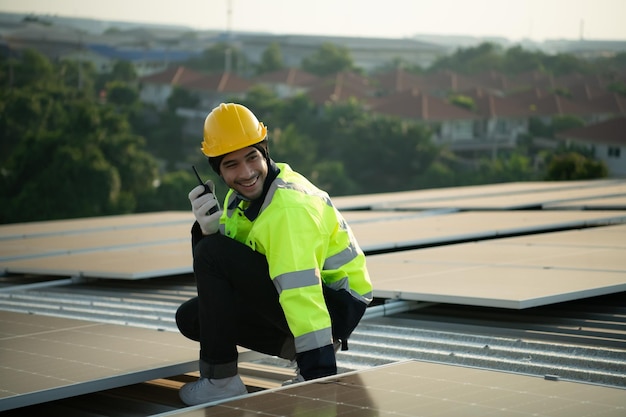
Cutting down on expenses is vital for data centers facing increasing power costs. Using solar energy can substantially lower operational expenses while stabilizing your budget.
Benefits of Data Center Solar
Solar energy offers significant savings for data centers. By installing solar panels, you can decrease your reliance on the grid, leading to reduced electricity bills. Unlike traditional energy sources, solar power provides a predictable cost structure. With solar, you can lock in lower energy costs for years to come. This not only helps in budgeting but also in improving your data center’s overall financial health. Furthermore, solar energy contributes to sustainability efforts, reducing your carbon footprint and enhancing your brand image. Learn more about how clean energy can meet data center electricity demand here.
Peak Shaving and Demand Charge Reduction
Peak shaving is another advantage of using solar energy in data centers. During times of high energy demand, electricity prices spike, which can lead to higher charges on your energy bill. By generating your own power, you can avoid these peak times and minimize demand charges. This means your facility can rely on solar energy when the grid is most expensive, cutting down on costs. Peak shaving with solar also means less strain on the grid, which can improve overall power reliability. As a result, your data center can enjoy uninterrupted operations, even when demand is at its highest.
Leveraging Incentives for Savings

Incentives make solar an even more attractive option for data centers. They can significantly offset initial installation costs and enhance long-term savings.
Federal Solar Tax Credit 30% ITC
The federal solar tax credit, also known as the Investment Tax Credit (ITC), allows you to deduct 30% of the cost of installing a solar energy system from your federal taxes. This incentive reduces the upfront cost, making solar more affordable. The ITC is a major financial benefit, helping data centers manage the high initial investment associated with solar installations. By taking advantage of this credit, your data center can rapidly recoup installation costs, leading to quicker returns on investment.
MACRS and Energy Community Bonus Credits
Another financial perk includes the Modified Accelerated Cost Recovery System (MACRS), which provides tax advantages through depreciation. This allows businesses to recover solar installation costs over a few years, boosting financial returns. Additionally, energy community bonus credits can further increase savings. These incentives are designed to support energy projects in specific communities, providing even more financial benefits. By utilizing MACRS and bonus credits, your data center can enhance its financial position while investing in sustainable energy solutions.
Enhancing Resilience and Sustainability

Solar energy not only offers financial savings but also boosts your data center’s resilience and sustainability.
Battery Storage for Data Centers
Battery storage is essential for maximizing solar benefits. By storing excess solar energy, your data center can ensure a reliable power supply even when the sun isn’t shining. Batteries provide backup power during grid outages, ensuring continuous operations. This added resilience minimizes downtime risks, crucial for mission-critical facilities. Furthermore, battery storage helps manage power loads efficiently, smoothing out supply fluctuations and enhancing your data center’s operational stability. Discover more about renewable energy options for data centers here.
Data Center Microgrid and Grid Resilience
Implementing a microgrid can significantly enhance your data center’s resilience. A microgrid is a localized energy system that can operate independently from the main grid. This autonomy ensures that your data center remains operational even during widespread power outages. A well-designed microgrid integrates solar, battery storage, and other energy sources, providing a stable and reliable power supply. By reducing dependency on the main grid, a microgrid not only increases resilience but also supports sustainability goals, aligning with environmental initiatives. Explore data centers using 100% renewable energy here.
Frequently Asked Questions
How can solar energy reduce data center operational costs?
Solar energy reduces operational costs by lowering electricity bills and providing a predictable cost structure. It allows data centers to stabilize their budgets and reduce reliance on the grid.
What incentives are available for data centers using solar energy?
Data centers can benefit from the federal solar tax credit, which covers 30% of installation costs. They can also leverage MACRS for accelerated depreciation and potential energy community bonus credits for additional savings.
Why is battery storage important for solar-powered data centers?
Battery storage ensures a reliable power supply by storing excess solar energy. It provides backup power during outages, minimizing downtime risks, and helps manage power loads efficiently for stable operations.