Energy costs keep rising and surprises in your utility bills hurt your bottom line. You know solar can help, but the details around commercial solar incentives feel overwhelming. Today, the federal solar tax credit for businesses, plus state and utility rebates, can cover a large chunk of your project costs—making solar a smart move to reduce operating costs with solar. Keep reading to see how these incentives can turn energy volatility into predictable savings for your business. For more information, visit commercial solar incentives for businesses.
Federal Solar Incentives Overview
With energy costs rising, federal solar incentives can significantly reduce your expenses. Understanding these can be the key to turning energy costs into savings.
Understanding the ITC 30 Percent
The Investment Tax Credit, or ITC, is a vital tool in your solar strategy. It allows you to deduct 30% of your solar project costs from your federal taxes. This straightforward incentive makes installing solar more affordable right from the start. By reducing upfront costs, businesses can see quicker returns on their solar investments. It’s not just about savings; it’s about making a smart financial move that pays back over time.
IRA Solar Bonus Credits Explained
The Inflation Reduction Act introduced bonus credits to further sweeten the deal for businesses. These bonuses include the energy community bonus credit and domestic content bonus. They provide additional savings for businesses that select solar equipment made in the U.S. or install in specific areas. This means more money stays in your pocket while supporting domestic manufacturing and job creation. For more details, explore IRA solar bonus credits.
MACRS Solar Depreciation Benefits
The Modified Accelerated Cost Recovery System, or MACRS, offers another way to save. It allows your business to recover investments in solar energy equipment through tax deductions. Over five years, you can significantly offset your initial investment. This accelerated depreciation can reduce your tax burden, letting you reinvest savings into your business.
State and Utility Incentives Breakdown

Federal incentives are just one piece of the puzzle. State and utility programs also offer substantial savings opportunities for your business.
California Commercial Solar Incentives
California offers various incentives to lower the cost of going solar. Programs like the Self-Generation Incentive Program (SGIP) offer rebates that can reduce upfront costs. Additionally, California’s state tax credits complement federal incentives, making solar more affordable. By leveraging these programs, businesses can cut costs and improve their bottom line.
Utility Solar Rebates for Businesses
Utilities often offer rebates to encourage solar adoption. These rebates can significantly lower installation costs. They vary by utility provider, so it’s important to check what’s available in your area. These programs not only lower initial costs but also improve the return on investment of your solar project.
Direct Pay for Nonprofits Solar
Nonprofits can benefit from Direct Pay, a program allowing them to receive payments equal to tax credits. This is crucial because nonprofits typically lack tax liability. By receiving these payments, nonprofits can reduce project costs and allocate savings towards their missions. More details can be found in the IRS publication on solar incentives.
Financial Impact and Savings Opportunities
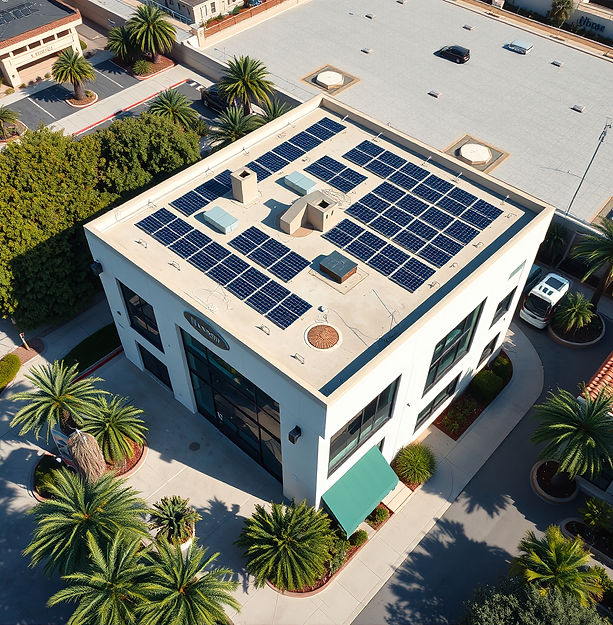
Harnessing solar power leads to significant financial benefits, from immediate cost reductions to long-term savings.
Commercial Solar ROI and Cost Reduction
Investing in solar can yield substantial returns. By lowering energy expenses, you improve your profit margins. Solar systems typically pay for themselves within a few years through savings on utility bills. This makes solar not just a sustainable choice but a financially sound one.
Solar Tax Credit Transferability Options
The ability to transfer tax credits is a game-changer for businesses. If you can’t fully utilize your credits, transferring them allows you to benefit financially. This flexibility ensures that you maximize your incentives, further lowering your solar project costs.
Exploring Commercial Solar Financing Options
Financing options make solar accessible to more businesses. Loans, leases, and power purchase agreements (PPAs) provide ways to fund solar projects without significant upfront costs. By choosing the right financing option, you can achieve energy savings while maintaining capital for other business needs.
Frequently Asked Questions
What is the ITC 30 percent credit?
The ITC 30 percent credit allows businesses to deduct 30% of their solar project costs from federal taxes, significantly reducing initial expenses.
How do IRA solar bonus credits work?
IRA solar bonus credits provide additional savings for businesses that use U.S.-made solar equipment or install in specific areas, further reducing costs.
What are MACRS solar depreciation benefits?
MACRS allows businesses to recover solar investment costs through accelerated tax deductions over five years, reducing financial burdens.
Are there utility rebates for businesses going solar?
Yes, many utilities offer rebates to lower solar installation costs, enhancing return on investment and reducing initial expenses.
How does Direct Pay benefit nonprofits?
Direct Pay allows nonprofits to receive payments equal to tax credits, helping reduce project costs and allocate savings to their missions.