
Turnkey Commercial Solar That Cuts Operating Costs

Turnkey commercial solar reduces operating costs, stabilizes energy expenses, and boosts cash flow with federal tax credits, Inflation Reduction Act incentives, MACRS depreciation, and flexible financing options.
Silfab Solar Panels for Commercial Sites: Domestic Content Strength, Bankable Performance, Better Cash Flow

Silfab commercial solar panels, made in North America, offer reliable performance and qualify for federal incentives like the IRA domestic content bonus, reducing costs and improving cash flow.
How Federal Solar Incentives Transform Commercial Project Economics

Federal solar incentives cover up to 90% of commercial solar costs via ITC, bonus credits, and accelerated depreciation, reducing payback times, lowering expenses, and improving cash flow for businesses.
Solar Installer Jobs And Your Bottom Line: How Skilled Labor, Federal Incentives, and Smart Partners Protect Your ROI

Rising solar installer jobs, prevailing wage rules, and federal incentives like the 30% ITC impact solar project costs. Partnering with experts ensures skilled labor, maximizes savings, and protects ROI.
Google Project Sunroof for Businesses: Quick Potential Check, Real Savings Plan

Google Project Sunroof quickly estimates your building’s solar potential and savings. Combined with federal incentives, it helps businesses stabilize energy costs, improve cash flow, and plan solar investments confidently.
Turn Unused Roofs and Parking Lots into Predictable Energy Savings
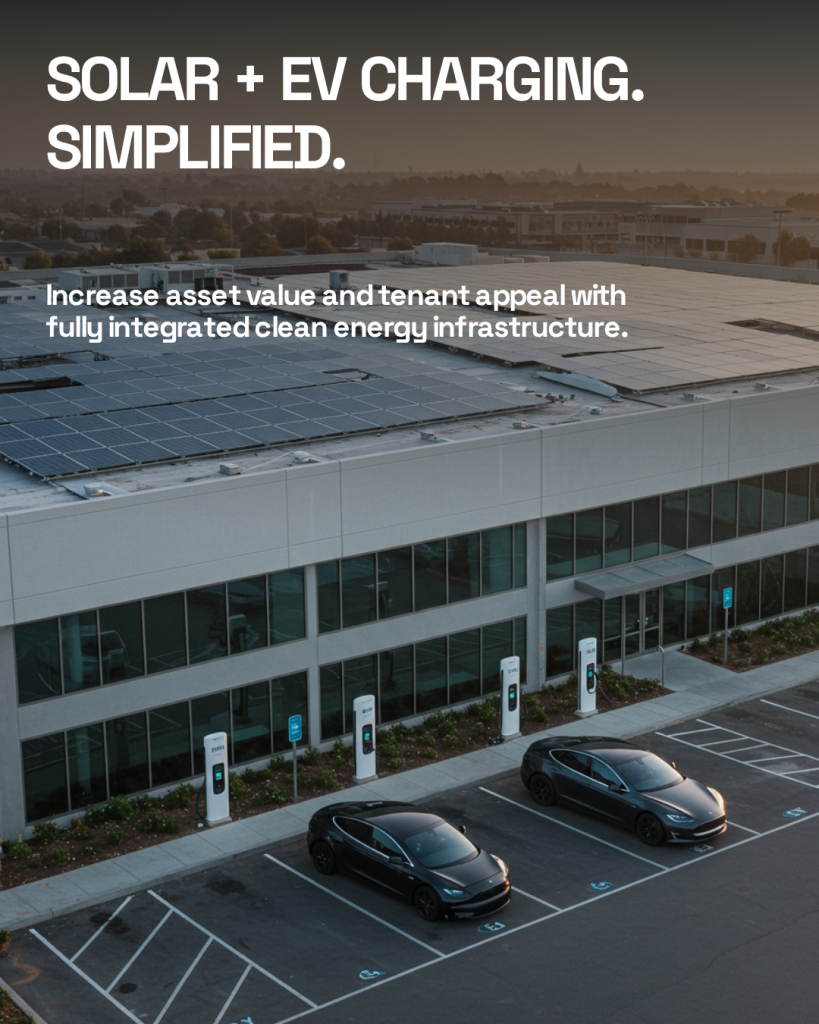
Transform unused roofs and parking lots into energy-saving assets with commercial solar solutions, leveraging federal tax credits and Inflation Reduction Act incentives for predictable cost savings and financial benefits.
PVWatts Calculator for Business: The Fastest Way to See If Solar Can Cut Your Energy Costs
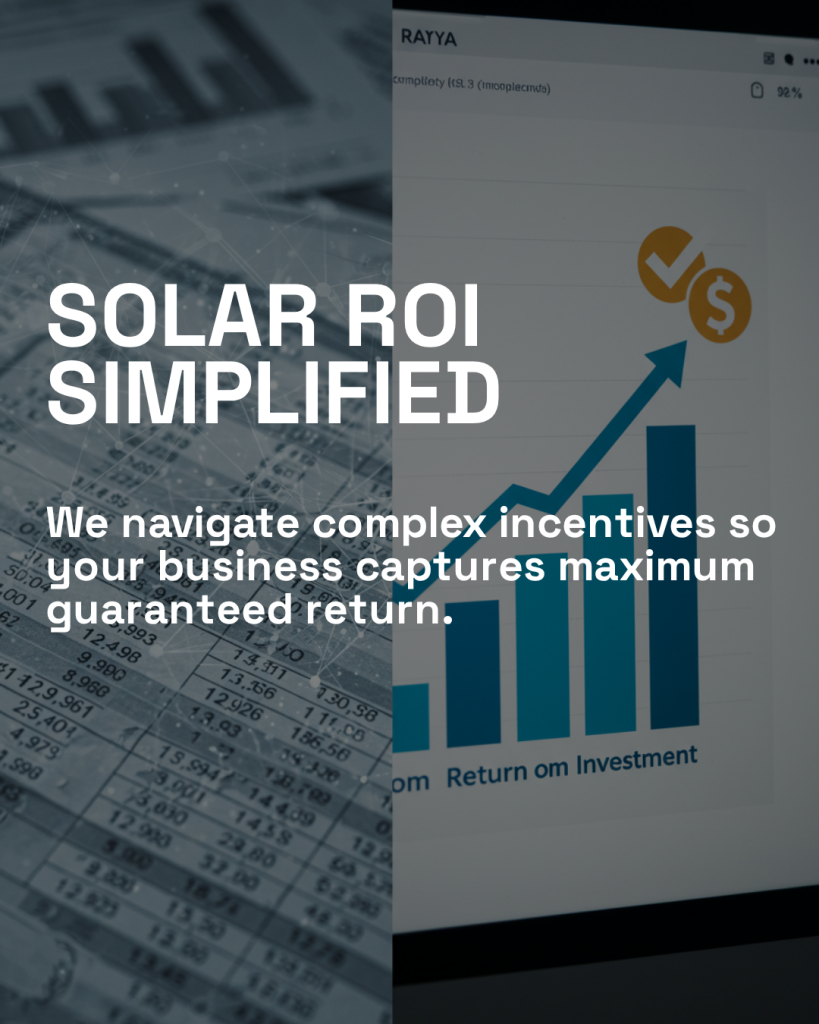
PVWatts estimates solar energy production and savings for businesses, factoring in location, incentives like ITC and MACRS, to help assess solar ROI. Raya Solar offers custom savings reports.
How to Stabilize Long‑Term Energy Expenses with Solar: A Finance‑First Playbook for Businesses

Commercial solar stabilizes energy costs, offering predictable savings and boosting property value. Federal incentives, tax credits, and financing options reduce upfront costs, while battery storage cuts demand charges.
Used Solar Panels for Sale: Smart Savings or Hidden Costs for Your Business?
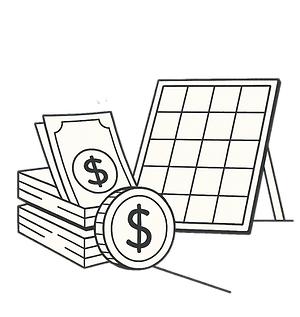
Used solar panels may lower upfront costs but lack warranties, incentives, and efficiency, leading to higher long-term expenses. New panels offer better ROI, incentives (ITC, MACRS), and lower maintenance, benefiting businesses financially.
Stop Leaving Money on the Table: Why Incentive Guidance Makes or Breaks Your Commercial Solar ROI
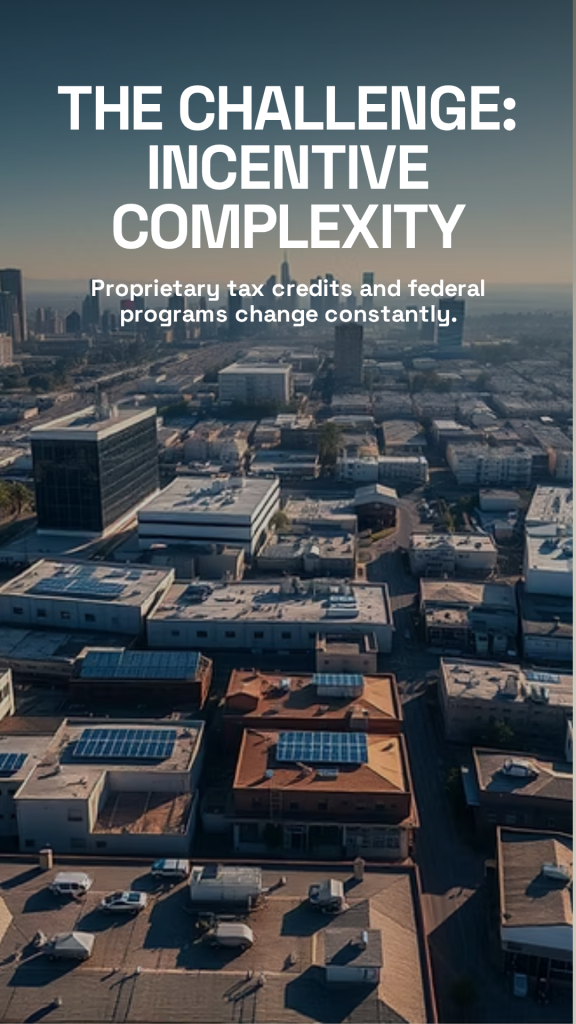
Expert incentive guidance unlocks over 30% in commercial solar savings via federal tax credits, state rebates, ITC, MACRS depreciation, and utility rebates—maximizing ROI and stabilizing energy costs.