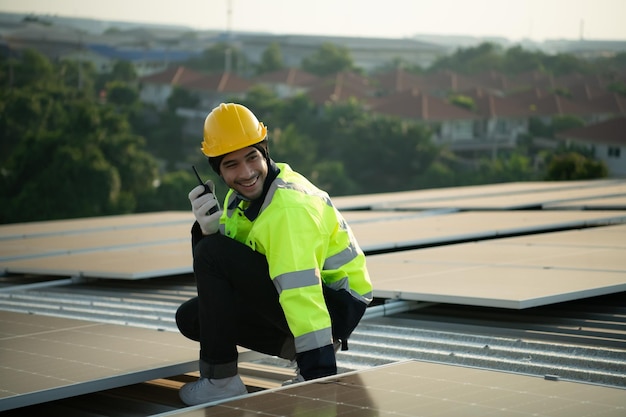
Buying used solar panels may seem like a quick way to save, but what costs are hiding beneath the surface? Many businesses overlook how refurbished or secondhand solar panels affect warranties, incentives, and long-term returns. In this post, you’ll see the real numbers behind used solar panels for sale and how they compare to new systems with commercial solar incentives. Ready to make an informed choice? Let’s break down what matters most for your business. Explore options for used solar panels.
Weighing Used vs. New Solar Panels
Choosing between used and new solar panels involves more than just upfront costs. You need to consider long-term financial impacts and available incentives.
Financial Impact of Refurbished Panels
Many businesses look at used solar panels as a cost-saving option. At first glance, this seems like a no-brainer. The price is lower, and you get the equipment you need. But what about the hidden costs? Used panels often come without warranties, leaving you to handle any repairs or replacements. Plus, older panels may not perform as efficiently as newer models, affecting your energy savings. In the long run, the initial savings might not be worth the potential expenses.
Incentives for Commercial Solar Systems
New solar installations often qualify for a range of incentives that can offset costs significantly. Federal solar tax credit ITC, for instance, can cover a large portion of your investment. With used panels, you might miss out on these incentives, ultimately making the choice more expensive. Incentives are not just bonuses—they’re strategic financial tools. When you opt for new panels, you maximize your return through these available benefits. Learn more about solar incentives.
Understanding Total Cost of Ownership
Understanding the true cost of ownership involves more than the purchase price. New panels might have a higher upfront cost, but they include warranties and are eligible for incentives, which can drastically reduce the net cost over time. In contrast, used panels may carry hidden costs related to maintenance and repair, as well as missed savings from incentives. You need to calculate the long-term financial impact before making a decision.
Evaluating the True Value

To truly assess the value of solar panels, whether new or used, consider their impact on your business’s bottom line and operational efficiency.
Analyzing Commercial Solar ROI
The return on investment (ROI) is a crucial metric for any business decision. New solar systems typically offer a better ROI due to their efficiency and eligibility for incentives. Used panels might seem cheaper but could lead to higher costs over time. Think about the potential savings on energy bills and how much faster new panels might pay for themselves. Consider if the short-term savings from used panels justify the possible long-term expenses. Understand commercial solar ROI.
Benefits of Solar Warranty for Businesses
A solid warranty is a business asset. New panels come with warranties that cover defects and performance issues, providing peace of mind. With used panels, you’re often on your own. If something goes wrong, repair costs come straight out of your pocket, affecting your budget and financial forecasts. Warranties are not just an add-on—they’re essential for business planning and risk management.
Managing Solar O&M Costs
Operations and maintenance (O&M) costs can add up quickly. New panels typically require less maintenance and have lower associated costs. Used panels might need frequent repairs, increasing your O&M expenses. Properly managing these costs is vital to ensure your solar investment remains profitable. Consider the O&M expenses when evaluating overall costs. Discover how to manage solar O&M costs.
Make Informed Solar Decisions

Making an informed decision about solar panels involves understanding the financial landscape and leveraging available incentives to your advantage.
Leverage Federal Solar Tax Credit ITC
The federal solar tax credit ITC is a major incentive for businesses investing in new solar systems. This credit can significantly reduce your tax liability, making solar more affordable. If you opt for used panels, you may not qualify, potentially missing out on substantial savings. Evaluate how this credit can impact your financial strategy.
Explore Solar Depreciation MACRS
The Modified Accelerated Cost Recovery System (MACRS) allows businesses to recover investments through depreciation deductions. New solar installations qualify for MACRS, providing another financial benefit. Used panels may not be eligible, so you lose out on these deductions. Consider how MACRS can enhance your financial planning and support your investment in new solar technology.
Learn About Incentive Management for Solar
Effective incentive management is crucial to maximizing your solar investment. Understanding and leveraging federal and state programs can offset a significant portion of your costs. New systems offer these opportunities, while used panels don’t. Make sure you understand the incentive landscape to make the best financial decision. Find out more about managing solar incentives.
Frequently Asked Questions
What are the main disadvantages of buying used solar panels?
Used solar panels often lack warranties, making you responsible for any repairs. They could also be less efficient, leading to lower energy savings and higher long-term costs.
How do new solar panels qualify for incentives?
New solar panels qualify for various federal and state incentives, such as the federal solar tax credit ITC and MACRS. These incentives can significantly reduce your net investment cost.
Can I get a warranty on refurbished solar panels?
Typically, refurbished solar panels do not come with warranties. This increases the risk of unplanned expenses, as you would be responsible for any repairs or replacements needed.
How do O&M costs compare for new vs. used solar panels?
New solar panels generally have lower O&M costs due to their efficiency and reliability. Used panels may require more frequent maintenance, raising your overall expenses.
What financial benefits do new solar systems offer over used ones?
New solar systems offer significant financial benefits through efficiency, eligibility for incentives, and warranties. These can lead to higher energy savings and better long-term ROI compared to used panels.