Rising energy costs put pressure on your budget every month. You need a way to stabilize energy costs that doesn’t add risk or complexity. Commercial solar offers a path to predictable savings, backed by federal solar incentives that can cover up to 90% of your project’s cost when set up right. In this finance-first playbook, you’ll find clear steps to reduce operating expenses and improve your commercial solar ROI.
Stabilizing Energy Costs with Solar
Understanding Commercial Solar Savings
Commercial solar can help you lower your energy bills and protect against future rate hikes. By installing solar panels, your business can generate its own electricity, reducing reliance on traditional energy sources. This approach offers a path to predictable savings over time. Imagine not worrying about rising utility costs. Instead, you can budget knowing your energy expenses will remain steady. With solar, you can focus on growing your business without surprises from monthly bills.
Benefits of Federal Solar Incentives
Federal incentives can make a huge difference in the cost of solar projects. These incentives can cover a significant portion of the initial investment, making solar more accessible. When you take advantage of these programs, you essentially receive financial aid to help you install solar panels. This is why so many businesses are making the switch. The opportunity to reduce upfront costs means you can start saving right away. It’s like getting a discount on something that continues to provide benefits for years.
The Role of Commercial Solar ROI
Return on investment is a crucial factor in any business decision. With solar, the ROI comes from both direct savings and increased property value. When you install solar panels, you not only save on your energy bills but also boost the overall worth of your property. This dual benefit makes solar a smart investment. Over time, the savings on your utility bills add up, and the initial cost of installation is recouped. Plus, your property becomes more attractive to potential buyers or tenants.
Incentives and Financial Strategies

Investment Tax Credit 30% Explained
The Investment Tax Credit (ITC) allows you to deduct 30% of your solar project costs from your federal taxes. This means a significant portion of your solar investment is returned to you in tax savings. It’s a powerful incentive for businesses considering solar. The ITC reduces the amount of tax you owe, making solar more affordable. By taking advantage of this credit, you’re not just investing in solar; you’re investing in a future with lower energy costs.
IRA Solar Incentives and Direct Pay
The IRA solar incentives offer additional benefits for certain organizations. Direct pay options are available, allowing nonprofits to receive immediate financial support. This is especially useful for entities like schools or churches that might not benefit from tax credits. With direct pay, these organizations can access solar benefits without the typical financial barriers. This approach provides flexibility and ensures that all types of organizations can participate in the solar movement.
Exploring Bonus Depreciation and Transferable Credits
Bonus depreciation allows you to write off a large portion of your solar investment in the first year. This can significantly reduce your taxable income, providing immediate financial relief. Additionally, transferable credits offer flexibility. They enable you to sell unused credits to other businesses, turning potential tax savings into cash. These strategies make solar even more attractive by maximizing your financial return and offering options that fit your specific needs.
Tailored Solutions for Your Business
Commercial Solar Financing Options
There are various financing options available to make solar projects feasible for any business. You can choose between purchasing the system outright, securing a loan, or entering a Power Purchase Agreement (PPA). Each option has its benefits, depending on your financial situation and goals. Purchasing the system offers the best long-term savings, while PPAs require no initial investment. Exploring these options helps you find the best fit for your business needs.
Battery Storage for Demand Charges
Battery storage systems can help manage demand charges, which are fees based on your electricity use during peak times. By storing energy, you can avoid high demand charges, leading to further savings. This technology allows you to use your stored solar energy when electricity rates are highest, reducing your overall costs. Battery storage is an excellent way to enhance the efficiency of your solar system and gain more control over your energy expenses.
Solar Solutions for Various Sectors
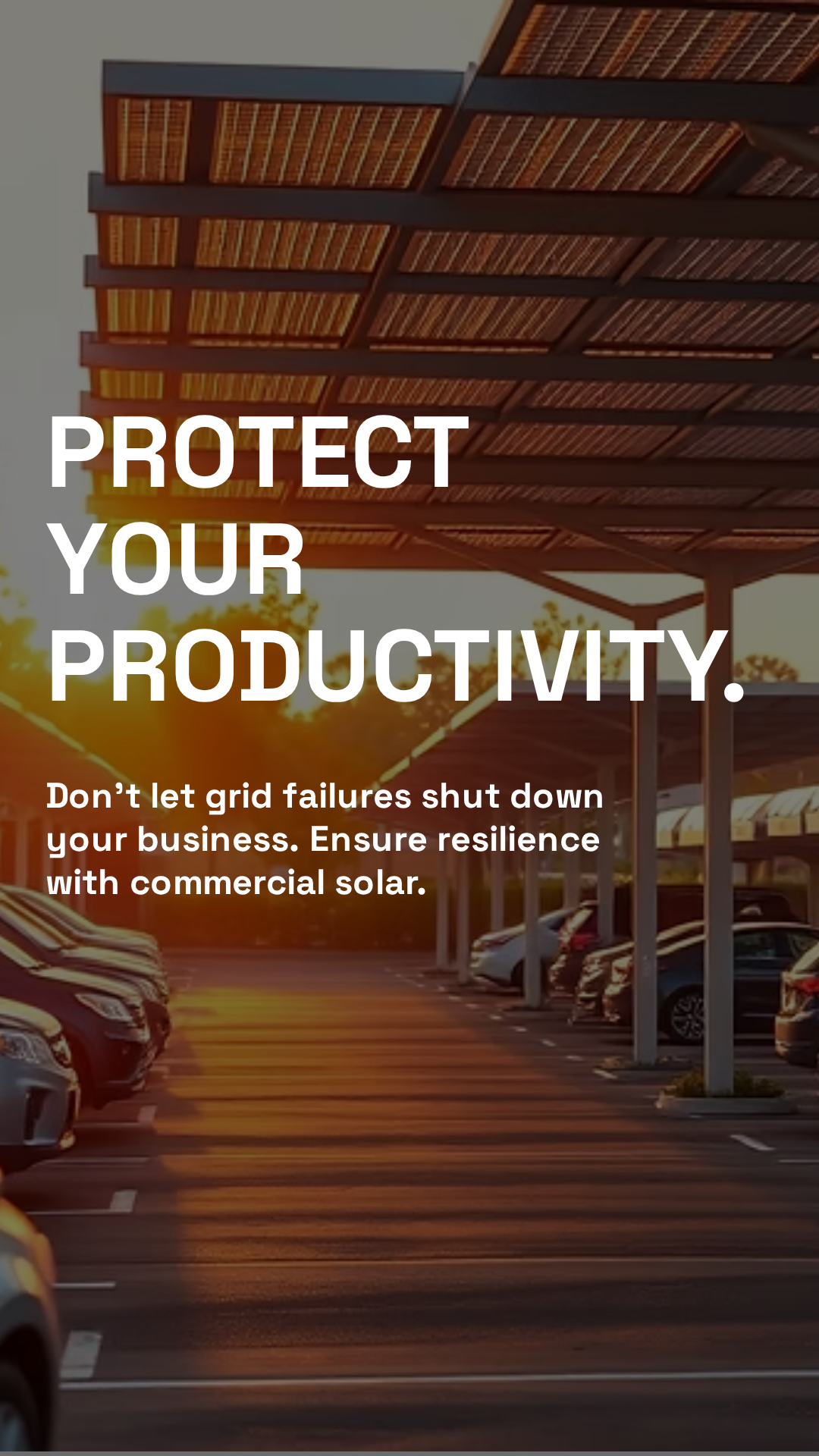
Solar solutions can be tailored to fit the unique needs of different sectors. Whether you’re in manufacturing, retail, or operate a nonprofit, solar can be customized to meet your demands. For instance, manufacturing facilities can benefit from large rooftop installations, while retail centers might prefer solar canopies over parking lots. Tailored solutions ensure that your solar investment aligns with your operational needs, maximizing both savings and efficiency.
Frequently Asked Questions
What are the main benefits of installing commercial solar panels?
Commercial solar panels reduce energy costs, provide a hedge against rising utility rates, and increase property value. They also help businesses take advantage of federal incentives, making solar a financially attractive option.
How do federal solar incentives work?
Federal solar incentives offer financial support to lower the cost of solar projects. They include tax credits and rebates, which reduce the initial investment. These incentives aim to encourage the adoption of solar technology by making it more affordable.
Can nonprofits benefit from solar energy?
Yes, nonprofits can benefit from solar energy through direct pay options and other incentives designed for organizations that don’t typically benefit from tax credits. These options make solar accessible and financially viable for all types of organizations.
What financing options are available for solar projects?
Financing options for solar projects include purchasing systems outright, securing loans, or entering Power Purchase Agreements (PPAs). Each option offers different benefits, allowing businesses to choose the best fit for their financial situation.
How does battery storage enhance a solar system?
Battery storage systems allow businesses to store energy and use it during peak demand times, reducing demand charges. This enhances the efficiency of solar systems by providing more control over energy expenses and maximizing savings.