
Take Control of Energy Costs with Commercial Solar

Commercial solar reduces rising energy costs, stabilizes operating expenses, and cuts demand charges. Federal incentives like ITC, IRA benefits, and MACRS depreciation cover 70–90% of costs. Payback is typically 5–7 years, with financing options including PPA or ownership to maximize ROI.
Talk to a Live Energy Advisor—Skip the Phone Tree and Start Cutting Energy Costs

Raya Solar connects you directly with live energy advisors who simplify commercial solar incentives, federal tax credits, and California programs to cut operating costs and ensure predictable energy expenses.
How to Lock In Energy Costs: A Practical Plan for Commercial Solar

This guide outlines how commercial solar can lock in energy costs by leveraging federal incentives like the 30% ITC and IRA credits, choosing between PPAs or ownership, and optimizing energy use for long-term savings.
What Wells Fargo Mortgage Rates Mean for Commercial Solar Payback

Rising Wells Fargo mortgage rates may increase solar financing costs, but federal incentives, utility savings, and flexible financing options keep commercial solar investments financially viable with strong ROI.
Solar Incentives for Municipalities and Nonprofits: A Practical Guide to IRA Direct Pay and Bonus Credits

Municipalities and nonprofits can reduce energy costs by leveraging IRA Direct Pay and bonus credits, covering up to 90% of solar project costs. Raya Solar offers expert guidance and free incentive reports to maximize savings.
Commercial Solar Loan Payoff Calculator: See Your Payback, Incentives, and Cash Flow

The commercial solar loan payoff calculator helps businesses assess payback periods, cash flow, and savings, factoring in the 30% ITC, MACRS depreciation, and direct pay for nonprofits to optimize solar investments.
Cut Utility Costs With Solar: Incentives, Savings, and Simple Next Steps
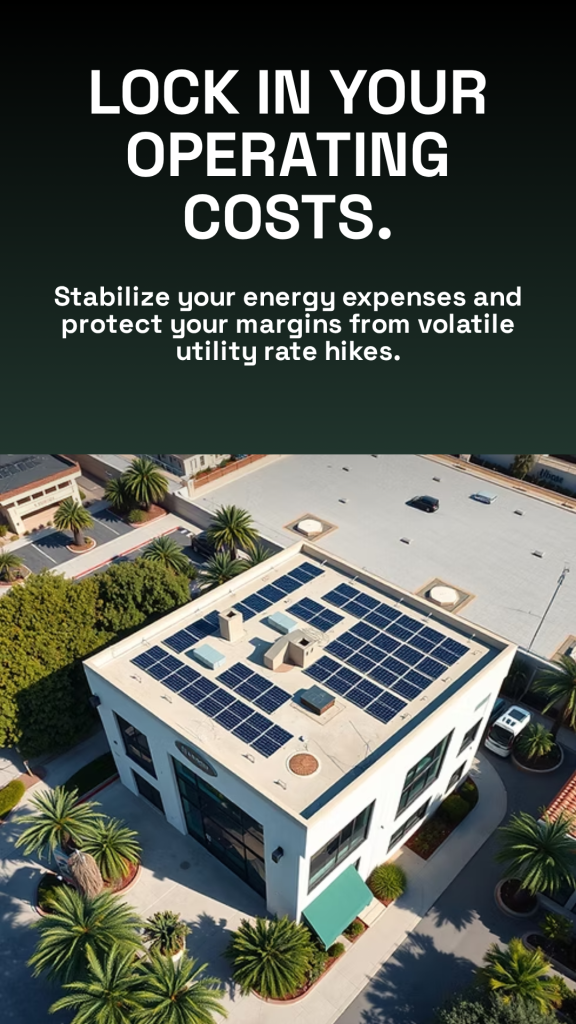
Solar energy reduces utility costs and stabilizes expenses, aided by federal incentives like the ITC and MACRS, plus state programs. Businesses benefit from tax credits, improved cash flow, and flexible financing.
Interest Rates Today: 30-Year Fixed and What It Means for Your Commercial Solar ROI

30-year fixed loans offer stable solar financing despite high rates. Federal tax credits, bonus incentives, and rising utility prices boost commercial solar ROI, making ownership via loans a strong financial strategy.
How 2026 Federal Solar Incentives Shift Commercial Project Economics

2026 federal solar incentives, including a 30% ITC, bonus credits, and accelerated depreciation, lower commercial solar costs, enhance cash flow, and boost ROI, enabling businesses to maximize savings and plan strategically.
Searching ‘Wells Fargo customer service number 24/7’? Here’s how to lower your business energy costs 24/7 instead

Cut business energy costs with commercial solar, leveraging federal tax credits (30%) and state incentives. Solar reduces utility bills up to 70%, offers bonus depreciation, low maintenance, and financing options. Get a free Energy Savings Report to explore savings and financing.