Energy costs keep climbing, and every budget feels the squeeze. You know commercial solar planning can help stabilize those expenses—but capturing the full value of federal solar incentives like the ITC 30 percent or IRA bonus credits isn’t straightforward. In this guide, you’ll see how to build a low-risk solar plan that cuts operating expenses, improves cash flow, and locks in long-term energy stability. Ready to take control? Learn more by reading this resource.
Building a Commercial Solar Plan
Creating a solid commercial solar plan involves a few key steps to ensure long-term success. You’ll want to address each stage to maximize your investment.
Key Steps for Solar Planning
Start by assessing your energy needs and setting clear goals. Determine how much energy your business uses and identify peak usage times. Next, evaluate potential solar sites, focusing on available roof or ground space. Consult with reputable solar providers to get an understanding of system sizes and costs tailored to your needs.
Once you’ve gathered this information, consider financing options. Research if a solar power purchase agreement (PPA) or outright ownership aligns better with your goals. Each option has distinct advantages, so understanding these can save time and money in the long run.
Understanding Utility Tariffs and Load Profiles
Utility tariffs can be complex, but understanding them is crucial for solar planning. Check how your utility company charges for electricity, especially during peak hours. This helps in determining the best time to use solar power to reduce costs.
Load profiles, showing how energy is used over time, offer insights into how solar can meet your energy needs. By analyzing these profiles, you can better plan when to draw from solar versus the grid, optimizing savings.
Exploring PPA vs Ownership Options
When considering solar, you’ll weigh the pros and cons of a solar PPA and ownership. A PPA might offer lower upfront costs as you pay for the energy rather than the system itself. Ownership usually requires a higher initial investment but results in greater long-term returns.
Deciding between these options depends on your financial strategy and willingness to maintain the system. Each choice impacts your cash flow and tax breaks differently, so consider consulting a financial expert to guide you.
Maximizing Solar Incentives

Understanding and leveraging solar incentives can substantially lower your solar project’s cost. Let’s dive into the key programs available.
Federal Solar Incentives Explained
Federal incentives can significantly reduce the cost of your solar installation. The Investment Tax Credit (ITC) is a popular option that offers a tax credit of 30% of your system costs. This incentive can make solar more affordable and speed up payback times.
Always check for current federal programs, as they can change. Staying informed ensures you capture all available benefits, making your solar investment as cost-effective as possible.
ITC 30 Percent and IRA Bonus Credits
The ITC provides a 30% tax credit, which is a huge draw for businesses. Additionally, the IRA bonus credits can increase savings further. These credits are designed to encourage solar adoption by making it financially attractive.
By combining these credits, you can offset a significant portion of your initial investment. This strategy not only improves your return on investment but also reduces your tax liability.
MACRS Depreciation and Direct Pay for Nonprofits
MACRS allows businesses to depreciate their solar investments over five years, boosting cash flow. It’s a vital component for understanding the total value of solar incentives.
For nonprofits, direct pay options can replace tax credits, allowing them to benefit financially even without tax liability. This option makes solar a viable choice for a wider range of organizations.
Achieving Long-term Energy Stability
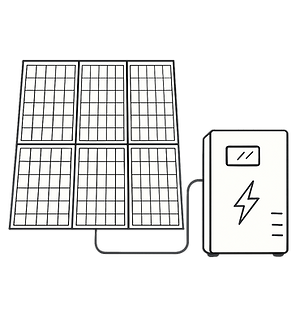
Solar energy offers reliable solutions for controlling energy costs over time. Let’s explore strategies to integrate solar into your business model for enduring benefits.
Strategies for Energy Cost Control
To control energy costs, adopt strategies that optimize solar usage. Use energy management systems to monitor and adjust usage patterns. These tools enable you to shift consumption to times when solar production is highest, reducing reliance on the grid.
Consider battery storage solutions to store excess energy. This stored energy can be used during peak times, avoiding high utility rates and further stabilizing costs.
Reducing Operating Expenses with Solar
Solar power can substantially cut operating expenses by lowering your electricity bills. By producing your own energy, you decrease dependence on utilities and shield your business from rate hikes.
Incorporating solar also shows a commitment to sustainability, which can improve your brand image and attract eco-conscious customers. This dual impact on finances and reputation makes solar a smart choice for many businesses.
Calculating Commercial Solar ROI
Calculating the return on investment for commercial solar involves assessing savings from reduced energy costs, tax incentives, and increased property value. Consider factors like the cost of installation, available incentives, and projected energy savings.
A positive ROI usually means your solar system pays for itself and then some, making it a wise financial decision. Consult with a solar expert to ensure your estimates are accurate and tailored to your business needs.
Frequently Asked Questions
What are the main benefits of switching to solar for businesses?
Switching to solar can lower energy costs, stabilize expenses, and provide significant tax incentives. It also enhances your business’s sustainability profile, which can attract customers who value eco-friendly practices.
How do federal tax incentives work for solar installations?
Federal tax incentives like the ITC offer a credit of 30% on your solar system costs, directly reducing your tax liability. This incentive helps make solar projects more affordable upfront.
Is solar a good investment for nonprofits?
Yes, nonprofits can benefit from solar through direct pay options that substitute tax credits. This allows them to take advantage of solar savings without needing tax liability.
How can businesses decide between a PPA and solar ownership?
The choice between a PPA and ownership depends on your financial goals. A PPA usually involves no upfront cost, while ownership offers higher long-term returns but requires an initial investment.
What is MACRS, and how does it help businesses with solar?
MACRS is a tax depreciation system that allows businesses to recover solar investment costs over a five-year period. This provides significant tax savings and boosts cash flow.