Energy costs keep climbing, and your operating budget feels the squeeze every month. Commercial solar cost control offers a clear path to reduce energy costs business-wide while stabilizing operating expenses for years ahead. With federal solar tax credit ITC, IRA solar incentives, and MACRS accelerated depreciation, many projects cover 70–90% of their costs when structured right. Ready for a clear, no-pressure Energy Savings Report that shows your potential savings? https://terrasolenergies.com/switch-your-business-to-solar-and-save/
Lower Operating Costs with Solar
Harnessing the power of the sun can dramatically cut down your energy expenses. Instead of worrying about rising utility bills, solar energy offers a reliable solution that transforms your roof into an asset, not a liability. Let’s explore how it stabilizes costs and improves your bottom line.
Reduce Energy Costs for Business
Switching to solar energy means taking control of your business expenses. A solar setup can significantly lower your monthly utility bills. Imagine redirecting these savings to other crucial areas of your business. With solar, you start saving from day one, building a buffer against rising energy rates. With electricity prices climbing, solar provides a shield, protecting your business from unpredictable hikes. This strategic shift allows for more predictable budgeting, making financial planning simpler and more reliable.
Stabilize Operating Expenses
Solar energy isn’t just about cutting costs—it’s about bringing stability to your financial operations. By reducing dependence on fluctuating energy markets, your expenses become more predictable. This predictability translates into more accurate financial forecasts and less stress over sudden cost spikes. Businesses often face challenges from unexpected overhead increases. Solar energy ensures you have one less variable to worry about. It’s a proactive move to keep your operating expenses steady, giving you peace of mind.
Demand Charge Reduction
For many businesses, demand charges can be a significant portion of the electricity bill. By installing solar panels, you can cut these charges by generating your own power during peak demand times. This not only lowers your costs but also reduces strain on the grid. Demand charges are calculated based on your highest power usage during a billing cycle. With solar, you can manage and reduce these peaks, leading to substantial savings. It’s a smart way to optimize your energy consumption while minimizing costs.
Leverage Federal and State Incentives
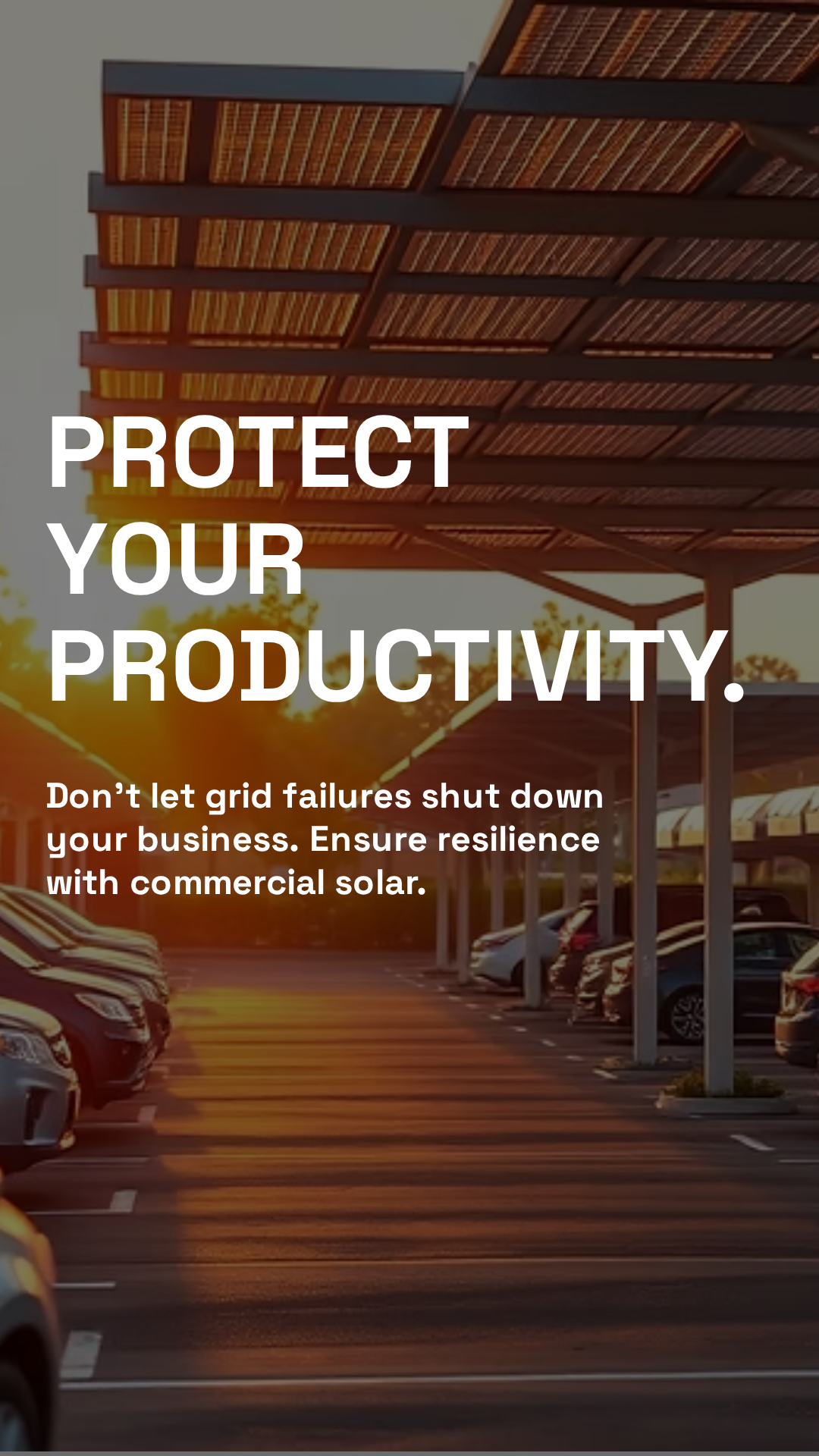
Federal and state incentives make solar energy an economically savvy choice. These programs are designed to lighten the upfront financial load, making the transition smoother and more affordable.
Federal Solar Tax Credit ITC
The federal solar tax credit, or ITC, is one of the most significant incentives available. It allows you to deduct a portion of your solar system’s cost from your federal taxes. This credit can cover up to 30% of the installation cost, making solar more accessible. Taking advantage of the ITC can dramatically reduce the initial investment required for solar. It serves as a compelling reason to consider solar now, as these incentives may not last forever.
IRA Solar Incentives Explained
The Inflation Reduction Act (IRA) has introduced additional incentives for solar energy. These incentives aim to promote renewable energy adoption across different sectors. Understanding these benefits can enhance the financial viability of your solar projects. The IRA incentives provide added financial relief, complementing the ITC. They ensure that businesses can transition to solar without bearing the full financial burden, encouraging more widespread adoption.
MACRS Accelerated Depreciation Benefits
MACRS allows businesses to recover investments in solar through depreciation deductions. Under MACRS, the cost of solar assets can be depreciated over five years, leading to substantial tax savings. This accelerated depreciation means quicker returns on your solar investment. By leveraging MACRS, you can enhance your cash flow and offset initial costs. It’s a financial strategy that aligns with sustainable business practices, maximizing your return on investment.
Maximize Solar ROI and Payback

Maximizing your solar investment means understanding how quickly you can see returns. Solar energy systems are not just a cost-saving measure; they are an investment that pays dividends over time.
Understanding Solar Payback Period
The solar payback period is the time it takes for your solar investment to pay for itself through savings. Most businesses see a payback period of 5 to 7 years, after which the savings become pure profit. Knowing your payback period helps in evaluating the financial outcomes of solar. With the right configuration, solar starts working for you sooner, accelerating your path to savings and sustainability.
Cash Flow Positive Solar Solutions
Many solar solutions can be structured to be cash flow positive from the start. This means your savings from solar cover the cost of financing, leaving more room in your budget. By opting for the right financing, solar can pay for itself without stretching your finances. It’s about finding a solution that fits your financial landscape, ensuring you benefit from day one.
Options: Solar Financing PPA vs Ownership
Choosing between a Power Purchase Agreement (PPA) and ownership depends on your business goals. A PPA allows you to pay only for the energy produced, with little to no upfront cost. Ownership, on the other hand, involves buying the solar system outright, offering long-term savings. Both options have their merits. A PPA minimizes initial costs, while ownership maximizes long-term benefits. Your choice should align with your financial strategy and operational needs.
Frequently Asked Questions
What is the federal solar tax credit ITC?
The ITC allows you to deduct a portion of your solar system’s cost from your federal taxes, covering up to 30% of installation expenses.
How does solar help reduce demand charges?
Solar panels generate electricity during peak demand times, reducing your reliance on the grid and lowering demand charges on your bill.
What is the typical payback period for a commercial solar system?
Most businesses see a payback period of 5 to 7 years, after which the savings become pure profit.
What are MACRS benefits for solar?
MACRS allows businesses to depreciate solar investments over five years, providing significant tax savings and quicker returns.
Should I choose a PPA or own my solar system?
A PPA offers low upfront costs and fixed energy rates, while owning a system provides long-term savings. The choice depends on your financial goals.