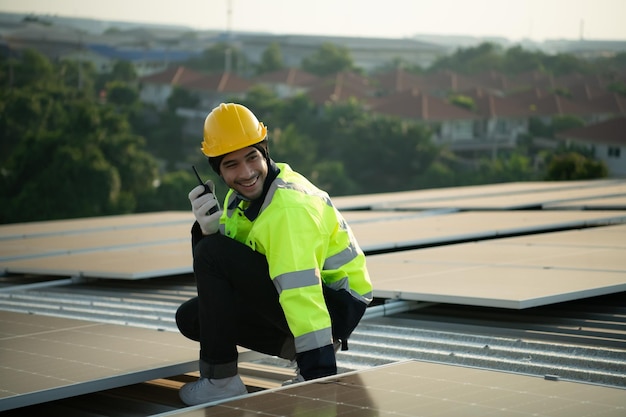
Energy costs have surged beyond what any business can comfortably absorb. You face rising bills, complex incentives, and the challenge of choosing reliable solar panels that actually lower operating expenses. This guide cuts through the noise to show you what “best commercial solar panels” really mean—strong warranties, proven performance, and incentives that cover up to 90% of your project costs. Keep reading to learn how to take control of your energy spend with clear, practical steps. For more insights, visit this informative blog.
Understanding Commercial Solar Panels
Choosing the right commercial solar panels can be a daunting task, but it’s crucial for maximizing your savings and energy efficiency. Here’s how to make an informed decision.
Factors Defining the Best Panels
The best commercial solar panels offer more than just electricity savings. You should look for strong warranties, reliable performance, and high efficiency. Panels with lower degradation rates maintain their output longer, saving you more over time. Tier 1 solar manufacturers often provide the most reliable options, ensuring quality and longevity.
Consider the panel’s efficiency rating, which shows how well it converts sunlight into electricity. The higher the rating, the more power your panels will produce. This is key for businesses with limited roof space. Also, explore warranties: a commercial solar warranty should cover performance and product for at least 25 years.
Comparing Solar Panel Technologies
Solar technology varies widely. N-type panels and heterojunction (HJT) panels are known for high efficiency and low degradation rates. Bifacial solar panels capture sunlight from both sides, increasing energy output. Each technology has its pros and cons, but the right choice depends on your specific site conditions and budget.
TOPCon and PERC technologies also offer distinct advantages. TOPCon vs PERC: TOPCon panels generally have higher efficiency, but PERC panels may be more cost-effective. Evaluate your needs carefully to decide which technology aligns with your business goals.
Evaluating Manufacturer Reliability
Manufacturer reliability is crucial. A bankable solar module comes from a manufacturer with a strong track record. This ensures not just product quality, but also the financial stability to honor warranties. Read reviews and reports, like those on Clean Energy Reviews, to find trustworthy manufacturers.
Engaging with reliable manufacturers minimizes risks and ensures you’re investing in panels that deliver consistent results. Remember, a strong warranty is only as good as the company behind it.
Financial Benefits of Solar Energy

Now, let’s explore how solar panels can transform your financial landscape by significantly reducing costs and offering substantial incentives.
Maximizing Solar Incentives for Businesses
Solar incentives can cover a large portion of your project costs. Federal and state programs offer various credits and rebates. By stacking these incentives, businesses can reduce their out-of-pocket expenses substantially. It’s important to act quickly, as these programs are often time-sensitive.
Understanding the specifics of each program is vital for maximizing benefits. Consulting with experts can help you navigate the complexities and ensure you capture every possible benefit.
Understanding Federal Solar Tax Credit
The federal solar tax credit, also known as the Investment Tax Credit (ITC), allows you to deduct a significant percentage of your solar installation costs from your federal taxes. This credit can drastically reduce your initial investment, making solar energy more accessible and financially viable for businesses.
Staying informed about the current percentage of the ITC is crucial, as it changes over time. This knowledge empowers you to plan your solar investment strategically.
Exploring Accelerated Depreciation (MACRS)
Accelerated Depreciation under MACRS allows businesses to recover solar installation costs through tax deductions. This depreciation method lets you deduct a large portion of your solar investment over a shorter period, enhancing your cash flow.
MACRS not only speeds up cost recovery but also aligns with financial planning, providing a predictable return on investment. By taking advantage of MACRS, businesses can significantly boost their commercial solar ROI.
Custom Solar Solutions for Businesses

Tailoring solar solutions to your business needs ensures optimal performance and savings. Here’s how you can customize your solar setup.
Designing Industrial Solar Solutions
For industrial facilities, solar solutions must be robust and efficient. Custom designs consider your energy demands and site specifics, optimizing panel placement for maximum sun exposure. This tailored approach ensures you get the most out of your investment.
Industrial solar solutions often involve larger installations, requiring careful planning and coordination. The right partner will guide you through this process, ensuring seamless integration without disrupting your operations.
Integrating Solar Carports for Businesses
Solar carports turn parking lots into energy-generating assets. These structures offer dual benefits: they provide shade and generate electricity, reducing overall energy costs. Solar carports are particularly beneficial for businesses with limited roof space.
Incorporating solar carports into your energy strategy can enhance property value and sustainability. They represent an innovative way to utilize space efficiently while contributing to your green initiatives.
Tailoring Nonprofit Solar Direct Pay Options
Nonprofits have unique financial constraints, but solar can still be a viable option. Direct pay options allow nonprofits to benefit from solar incentives without upfront costs. This approach removes financial barriers, enabling organizations to enjoy the benefits of solar energy.
By leveraging direct pay options, nonprofits can focus on their mission while reducing overhead costs. This strategy aligns financial savings with sustainability goals, offering a win-win scenario.
Frequently Asked Questions
What are the main factors to consider when choosing commercial solar panels?
When selecting commercial solar panels, focus on efficiency, warranty, and manufacturer reliability. These factors ensure you get durable panels that offer long-term savings and performance.
How can businesses maximize solar incentives?
Businesses can maximize solar incentives by understanding and utilizing federal and state programs. Consulting with experts ensures you capture all available benefits and optimize your investment.
What is the benefit of the federal solar tax credit?
The federal solar tax credit allows businesses to deduct a large percentage of their solar installation costs from their federal taxes, significantly reducing the initial investment.
How does accelerated depreciation (MACRS) benefit businesses?
MACRS allows businesses to recover solar installation costs through accelerated tax deductions, enhancing cash flow and providing a predictable return on investment.
Why are solar carports beneficial for businesses?
Solar carports transform parking lots into energy-generating assets, offering shade and reducing energy costs. They maximize space use and contribute to sustainability efforts.