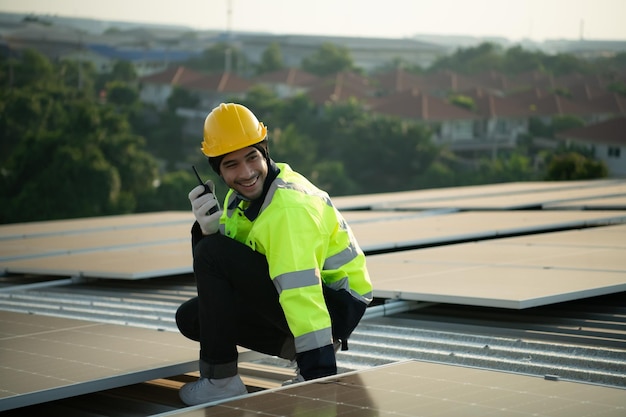
Municipalities and nonprofits face rising energy costs with shrinking budgets. You might think tapping into solar incentives is too complex or out of reach. The truth is, programs like IRA Direct Pay and stackable bonus credits can cover 30–90% of your solar project costs. This guide breaks down how to claim these benefits and save on operational expenses without guesswork. For more insights, check out this guide to solar tax incentives for businesses and nonprofits.
Understanding Solar Incentives
Solar incentives can significantly reduce the cost of installing solar panels for municipalities and nonprofits. This section aims to simplify the process and highlight key programs that can help you save.
Simplifying Solar for Nonprofits
Nonprofits often struggle with high operational costs. Solar energy presents an opportunity to cut expenses without upfront financial strain. These organizations can benefit from federal and state programs that provide substantial financial assistance. By harnessing these incentives, nonprofits can redirect savings into their core missions. The key is understanding which programs align with your needs and how to apply effectively.
Key Federal and State Programs
Federal programs like the Investment Tax Credit (ITC) offer a 30% credit, which can be a game changer for your budget. Additionally, state programs may offer further incentives, stacking up the benefits. Each state has different offerings, so it’s important to research local opportunities. For instance, states like New Jersey have specific solar programs that can be highly beneficial. These programs collectively help lower both initial costs and long-term expenses.
Maximizing Benefits with IRA Direct Pay

Understanding and utilizing the IRA Direct Pay option can maximize your solar investment. This section explores how to make the most of this program, including the elective pay section and bonus credits.
Exploring Elective Pay Section 6417
Elective Pay Section 6417 allows tax-exempt entities like nonprofits to receive a direct payment from the government. This option effectively turns tax credits into cash, providing immediate financial support. This is crucial for organizations that typically don’t benefit from tax credits. By opting into this program, you can reduce the financial burden of solar projects significantly. For more details, this resource on the elective pay and IRA tax incentives can be helpful.
Stacking ITC Bonus Credits
Bonus credits can further enhance the value you receive from solar incentives. These include credits for projects in low-income areas, energy communities, and those using domestic materials. Each bonus credit can add value, potentially covering up to 90% of project costs. It’s important to carefully evaluate which credits your project qualifies for. This strategic stacking can lead to substantial savings and make solar projects more viable. For a comprehensive overview, you might find this guide on ITC 2025 useful.
Practical Steps for Municipalities

Municipalities have unique needs and opportunities when it comes to solar energy. This section provides practical guidance on navigating grants, rebates, and financing options to make solar projects a reality.
Navigating Grant Stacking and Rebates
Grants and rebates can provide additional financial support for solar projects. By combining multiple funding sources, municipalities can cover a larger portion of their project costs. This “stacking” approach allows the use of grants alongside federal incentives. Additionally, local utility rebates can further reduce costs. For tailored guidance, consult resources like the Colorado incentives guide.
Evaluating Tax-Exempt Solar Financing Options
Tax-exempt financing options, such as Power Purchase Agreements (PPAs) and leases, provide ways for municipalities to fund solar projects without upfront costs. These options allow municipalities to pay for solar installations over time, using savings generated from reduced energy bills. This approach ensures that solar projects are financially sustainable and accessible. By evaluating different financing paths, municipalities can select the most suitable option for their specific needs.
Frequently Asked Questions
What are the main federal solar incentives for nonprofits?
Nonprofits can benefit from the Investment Tax Credit, which offers a 30% credit for solar projects. Additionally, they can opt for IRA Direct Pay, which provides a direct payment in lieu of tax credits.
How do municipalities stack grants and rebates for solar projects?
Municipalities can combine federal incentives with state grants and local utility rebates. This stacking approach maximizes financial support and minimizes upfront costs for solar projects.
What financing options are available for tax-exempt entities to fund solar projects?
Tax-exempt entities can use Power Purchase Agreements (PPAs) and leases to fund solar projects without upfront costs. These agreements allow them to spread payments over time, using savings from reduced energy bills.
How do bonus credits enhance the value of solar incentives?
Bonus credits offer additional financial benefits for projects located in low-income areas, energy communities, or those using domestic materials. These credits can significantly increase the overall value of solar incentives.
Can nonprofits receive cash payments for solar projects?
Yes, through the Elective Pay Section 6417, nonprofits can receive direct cash payments instead of tax credits, providing immediate financial assistance for solar projects.