Utility bills keep climbing, and your budget feels the squeeze every month. What if you could reduce utility costs and lock in predictable energy expenses for years? Commercial solar savings offer a clear path forward—with federal solar tax credits and business solar incentives that ease upfront costs. This guide breaks down how solar can lower operating expenses and stabilizes your energy spending so you can focus on growth, not rising bills. For more insights, check out this resource.
Understanding Commercial Solar Savings
Diving into the world of solar energy reveals a wealth of opportunities for reducing overhead costs. Let’s explore how solar transforms your expenses into predictable savings.
How Solar Reduces Utility Costs
Solar energy can significantly cut down on your electricity bills. By installing solar panels, you harness the sun’s power to generate electricity for your business. This means less reliance on the grid and fewer utility payments. Additionally, any excess power generated can often be sold back to the grid, further offsetting costs. Most businesses see a reduction in energy costs within the first year of installation. For more on how solar energy adoption benefits businesses, visit this blog.
Long-Term Energy Cost Stabilization
With solar, you can stabilize your energy costs for decades. Unlike fossil fuel prices, which fluctuate, solar provides predictable power rates. This stability allows for better financial planning and budgeting. Over time, the savings accumulate, often covering the cost of the solar system itself. As energy prices rise, your solar savings grow, offering a hedge against inflation and price volatility. Explore how solar energy helps businesses beat energy demand spikes here.
Solar for Manufacturing and Municipalities
Manufacturing facilities and municipalities benefit greatly from solar. High energy consumption makes these sectors ideal for solar savings. By adopting solar, manufacturing facilities can reduce operational costs, while municipalities can redirect savings toward public services. This shift not only supports sustainability goals but also improves financial resilience.
Navigating Business Solar Incentives
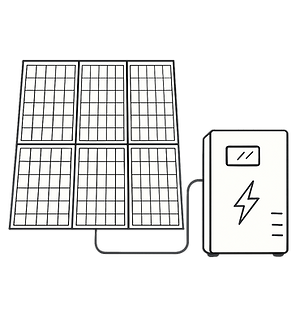
Understanding the available incentives is key to maximizing your solar investment. These incentives can significantly reduce initial costs and accelerate your return on investment.
Federal Solar Tax Credit and Section 48 ITC
The federal solar tax credit, also known as the Investment Tax Credit (ITC), allows businesses to deduct a percentage of their solar installation costs from their taxes. In 2023, this credit covers 26% of the installation costs. This incentive drastically lowers the barrier to entry, making solar a viable option for many businesses.
Bonus Depreciation MACRS Explained
The Modified Accelerated Cost Recovery System (MACRS) offers another layer of financial benefit. This tax incentive allows businesses to recover solar investment costs through depreciation deductions. By accelerating the depreciation schedule, businesses can lower their taxable income in the early years of solar system ownership, enhancing cash flow.
Direct Pay Options for Nonprofits
Nonprofits, while not eligible for tax credits, can still benefit through direct pay options. These programs allow nonprofits to receive monetary benefits equivalent to the ITC. This option ensures that all sectors, including those not traditionally tax-liable, can enjoy the financial advantages of solar energy.
Exploring Turnkey Commercial Solar Solutions

A comprehensive approach to solar installation ensures you capture all available benefits and achieve optimal savings. Here’s how an end-to-end solution can work for you.
Efficient Commercial Solar Financing
Financing options make solar accessible without a hefty upfront investment. Many providers offer flexible payment plans that align payments with anticipated energy savings. This approach allows your solar system to pay for itself over time. Learn how businesses are saving with solar here.
Comprehensive Incentive Strategy and Design
An expert incentive strategy ensures no financial opportunity is overlooked. Professionals evaluate your business needs, create custom designs, and integrate all applicable incentives, maximizing your project’s financial outcome.
Lower Operating Expenses with Clean Energy ROI
Clean energy delivers a reliable return on investment by consistently reducing operating expenses. Solar not only lowers immediate costs but also contributes to a sustainable business model, attracting eco-conscious clients and partners.
Frequently Asked Questions
How does solar energy cut utility costs for businesses?
Solar panels generate electricity using sunlight, reducing dependency on the grid and lowering electricity bills. Excess energy can often be sold back to the grid, further reducing costs.
What is the main benefit of the Federal Solar Tax Credit for businesses?
The Federal Solar Tax Credit allows businesses to deduct a substantial percentage of their solar installation costs from their taxes, significantly reducing initial expenses and accelerating ROI.
Can nonprofits benefit from solar incentives?
Yes, nonprofits can utilize direct pay options to gain financial benefits equivalent to the tax credits, ensuring they also enjoy the cost savings of solar energy.
What is MACRS and how does it benefit solar investments?
MACRS stands for Modified Accelerated Cost Recovery System, which allows businesses to recover solar investment costs through accelerated depreciation, enhancing cash flow in the early years.
How can a business finance a solar installation?
Many financing options exist, such as loans and leases, which allow businesses to align payments with energy savings, making solar projects affordable without upfront capital.