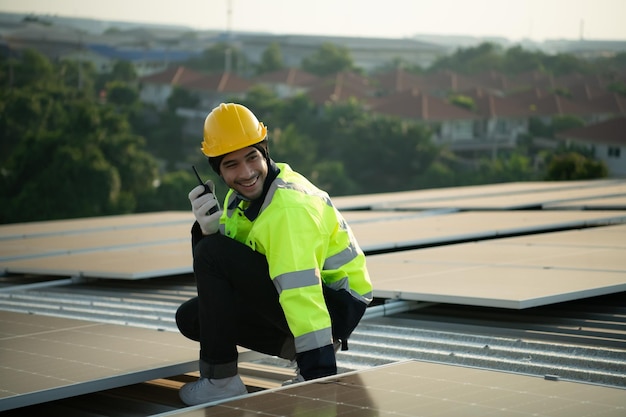
Energy costs keep rising, squeezing your bottom line every month. You need a way to reduce operating expenses that actually makes financial sense—and clean energy offers just that. This guide breaks down how commercial solar incentives, including the federal solar tax credit and state programs, can cut your energy bills and stabilize costs for years. Ready to see real savings? Let’s explore how a free Energy Savings Report can map your path forward. For more insights, check out reliable clean energy strategies for businesses.
Reduce Operating Expenses with Solar
Solar energy offers a practical solution to cut costs and stabilize expenses. By harnessing the power of clean energy, you can significantly reduce your operating expenses over time.
Understanding Clean Energy Cost Savings
Switching to solar power can lead to substantial savings on energy bills. The initial investment might seem high, but the long-term benefits are worth it. Businesses often see a reduction in utility bills soon after installation. Solar panels harness natural energy, making your electricity costs more predictable and allowing you to allocate funds elsewhere.
Additionally, using solar energy can enhance your business’s sustainability profile. Consumers today prefer eco-friendly companies. By adopting solar, you can appeal to this growing demographic, potentially driving more business your way. For more insights, explore how small businesses save with energy efficiency.
Energy Cost Stabilization Strategies
Stabilizing energy costs is crucial for long-term financial planning. Solar energy provides a predictable and consistent energy source. Instead of facing fluctuating utility prices, you can lock in lower energy costs. This stability is particularly beneficial for budgeting and financial forecasting.
Moreover, solar power can shield your business from unexpected energy price hikes. With solar, you gain a degree of independence from the grid, making your energy expenses more manageable and predictable. This strategy can result in a more stable financial future for your business.
Battery Storage Savings Explained
Battery storage is a game-changer for solar energy users. It allows you to store excess energy generated during the day for use at night or during peak demand times. This capability can significantly reduce your reliance on the grid, further lowering your energy costs.
Investing in a reliable battery storage system can also provide backup power during outages. This reliability ensures your operations continue uninterrupted, saving you from potential revenue losses. Battery storage enhances the value of your solar investment by maximizing the energy you produce.
Incentives for Commercial Solar Projects

Understanding the available incentives can make solar projects financially attractive. Key federal and state programs can dramatically reduce the cost of solar installation.
Key Federal Solar Tax Credits
Federal tax credits can offset a significant portion of your solar project costs. The Section 48 ITC, for instance, allows businesses to deduct a percentage of solar costs from federal taxes. This deduction can make a large difference in your project’s return on investment.
These tax credits are designed to encourage businesses to adopt clean energy. By taking advantage of these incentives, you can lower your initial investment significantly. It’s imperative to act soon, as these credits won’t be available indefinitely.
Inflation Reduction Act Insights
The Inflation Reduction Act also plays a crucial role in making solar energy more accessible. This act provides additional financial benefits, which can enhance the affordability of solar projects. By reducing inflation-related costs, the act helps stabilize the overall expenses associated with solar implementation.
This legislation aims to make solar energy a feasible option for more businesses, encouraging widespread adoption. By understanding its benefits, you can make informed decisions about investing in solar energy for your business.
Bonus Depreciation and MACRS
Bonus depreciation and the Modified Accelerated Cost Recovery System (MACRS) allow businesses to recover solar investment costs more quickly. These financial tools enable you to depreciate solar equipment over a shorter period, maximizing tax benefits.
Using MACRS, businesses can improve cash flow by reducing taxable income. This financial relief can be reinvested into other areas of your business, fostering growth and stability. Understanding these incentives is crucial for maximizing your solar investment’s return.
Next Steps for Solar Implementation

Taking the leap to solar energy involves careful planning and understanding of available options.
Request Your Energy Savings Report
An energy savings report can provide valuable insights into how much you can save by switching to solar. This report assesses your current energy usage and highlights potential savings. It’s the first step toward understanding the financial impact of solar energy on your business.
By requesting this report, you gain a clear picture of the potential benefits and costs associated with solar energy. It’s an essential tool for making informed decisions about renewable energy investments.
Exploring PPA vs Ownership
Deciding between a Power Purchase Agreement (PPA) and owning your solar system is crucial. A PPA allows you to pay for the energy your solar panels produce, often at a lower rate than your current utility costs. Ownership, on the other hand, involves purchasing the solar system outright.
Each option has unique benefits. PPAs require less initial investment, while ownership offers long-term financial benefits. Consider your business’s financial goals and capabilities when choosing between the two.
C-PACE Financing Options
C-PACE (Commercial Property Assessed Clean Energy) financing provides an innovative way to fund solar projects. This option allows you to finance the upfront costs of solar installation and pay back the loan through your property taxes.
C-PACE financing can make solar energy more accessible by spreading the cost over time. It also offers the benefit of transferring the repayment obligation to a new property owner if you sell your business. This flexibility makes C-PACE an attractive option for many businesses.
Frequently Asked Questions
What are the benefits of switching to solar energy for businesses?
Switching to solar energy can significantly reduce your operating expenses. It stabilizes energy costs, reduces reliance on the grid, and offers environmental benefits, which can enhance your business’s image.
How do federal tax credits work for solar installations?
Federal tax credits allow businesses to deduct a portion of their solar installation costs from federal taxes. This deduction reduces the initial investment and improves the project’s return on investment.
What is the difference between a PPA and owning a solar system?
A PPA involves paying for the energy generated by your solar panels, often at a lower rate than grid electricity. Owning a system involves purchasing the solar panels outright, providing long-term financial benefits and energy independence.
How does C-PACE financing work?
C-PACE financing allows you to fund solar projects through property tax assessments. This approach spreads the cost over time and can be transferred to new property owners upon sale, making it a flexible financing option.
What is MACRS, and how does it benefit solar investments?
MACRS allows businesses to accelerate depreciation on solar equipment, reducing taxable income and improving cash flow. This tax benefit enhances the financial return on solar investments.