Rising energy bills keep squeezing your budget. What if you could reduce operating costs while locking in predictable energy expenses? Commercial solar savings can do just that—cutting your OpEx with smart use of federal solar tax credit and IRA clean energy incentives. In this post, you’ll see how to make solar work for your business without adding risk—and how a free Energy Savings Report can map your path to steady cash flow. Learn more.
Cutting Operating Costs with Solar
Reducing operational expenses is crucial for any business. Solar power offers a way to cut costs and gain energy security. Here’s how you can use it to your advantage.
Commercial Solar Savings Explained
Switching to solar can significantly lower your energy bills. By producing your own power, you reduce reliance on the grid, which means fewer surprises when the utility bill arrives. Plus, solar panels require minimal maintenance, keeping ongoing costs low.
Solar technology has advanced greatly, making it more affordable and efficient. Businesses that invest in solar can see a quick return on investment, often within a few years. This shift not only saves money but also positions your company as a leader in sustainability, which can enhance your brand image.
Business Energy Cost Control Strategies
Managing energy expenses is easier with solar power. By fixing part of your energy costs, you can better forecast and control your budget. This stability is crucial in times of fluctuating energy prices.
Many businesses also explore energy-saving measures alongside solar, such as LED lighting and energy management systems. These strategies complement solar installations, ensuring maximum savings. By combining these methods, companies can drastically reduce their energy footprint and costs.
Solar ROI for Businesses
Investing in solar offers attractive financial returns. The savings on energy bills often lead to a positive cash flow situation within a short period. Businesses see increased property values and lower energy costs, which contribute to a solid return on investment.
Moreover, commercial solar systems can act as a hedge against rising energy prices, providing long-term financial stability. This makes solar a smart investment for forward-thinking businesses willing to capitalize on future savings.
Exploring Commercial Solar Incentives
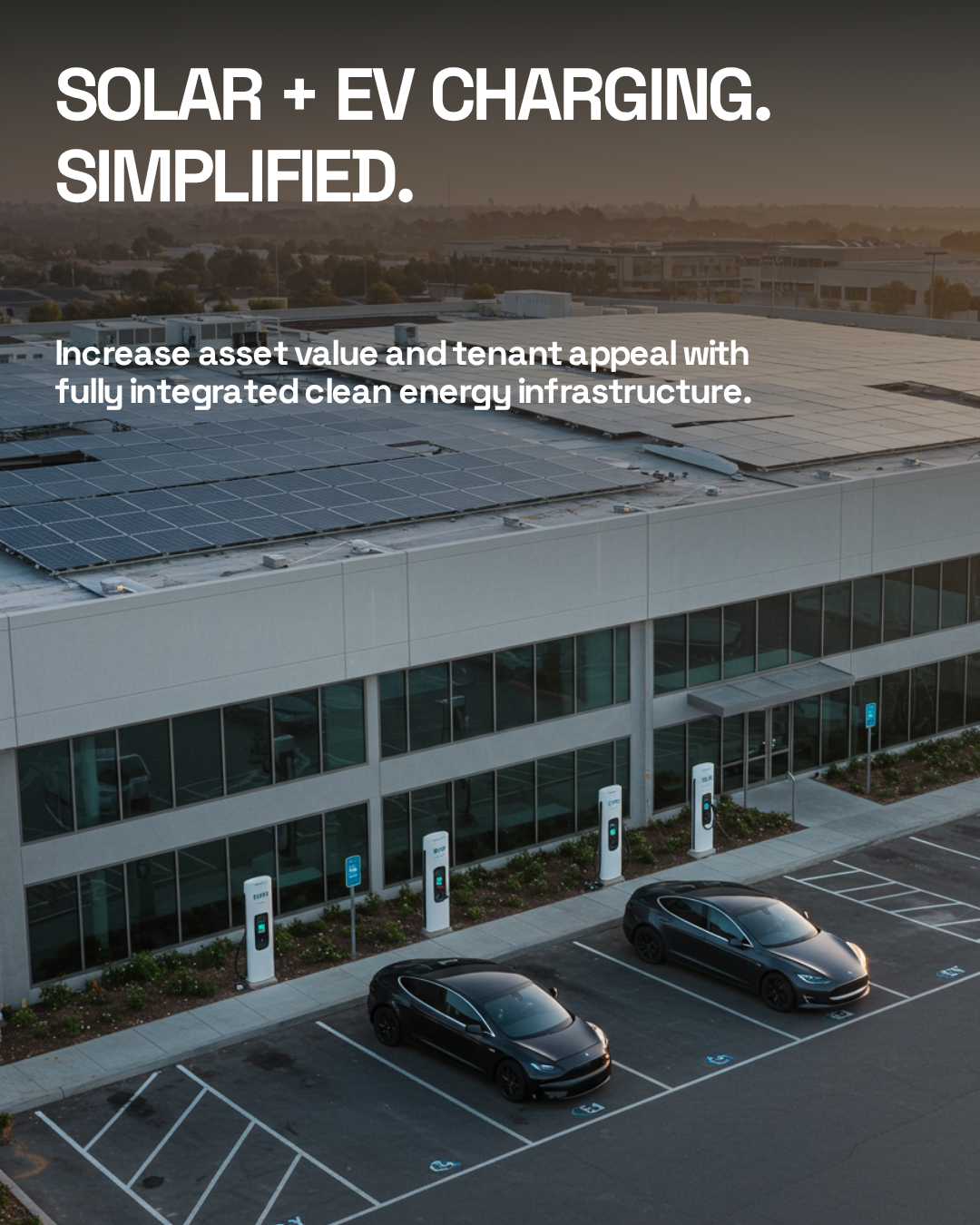
Incentives play a pivotal role in making solar projects financially viable. They can significantly reduce the upfront costs associated with installation.
Federal Solar Tax Credit Insights
The federal solar tax credit allows businesses to deduct a portion of solar costs from their taxes. This incentive reduces the effective price of solar installations, making the investment more attractive. Understanding how to apply and qualify for these credits is key to maximizing benefits.
The credit can cover a substantial part of the installation cost, making solar more accessible to businesses of all sizes. By taking advantage of this credit, companies can lower their tax liabilities while investing in renewable energy.
IRA Clean Energy Incentives Breakdown
The IRA clean energy incentives offer additional financial support for solar projects. These incentives can include grants, loans, and other funding opportunities aimed at promoting renewable energy adoption.
By leveraging these incentives, businesses can further reduce their upfront costs and improve the financial viability of solar projects. This makes it easier for companies to transition to clean energy without straining their budgets.
MACRS Solar Depreciation Benefits
MACRS allows businesses to recover solar investment costs through depreciation deductions. This financial benefit speeds up the payback period for solar installations and enhances overall project returns.
By understanding how MACRS works, businesses can strategically plan their solar investments to maximize tax benefits. This can lead to significant savings and a quicker return on investment.
Making Solar a Reality for Your Business

Implementing solar power in your business doesn’t have to be complicated. Here’s how to make the transition smoothly.
Turnkey Commercial Solar Solutions
Turnkey solutions simplify solar adoption by handling everything from design to installation. This approach minimizes disruption to your operations and ensures a smooth transition to solar power.
These solutions provide comprehensive support, including consultation, permitting, and maintenance, ensuring that your solar project is efficient and effective from the start.
Solar PPA vs Ownership: Pros and Cons
Choosing between a Power Purchase Agreement (PPA) and direct ownership depends on your business goals. PPAs often require no upfront cost, with a fixed energy price for the agreement term, while ownership allows you to fully benefit from tax incentives and long-term savings.
Each option has its benefits, and understanding them can help you make an informed decision that aligns with your financial and operational objectives.
Battery Storage for Businesses Explained
Battery storage enhances solar power systems by storing excess energy for later use. This feature ensures that your business remains powered even during outages or peak demand times.
Investing in battery storage can further stabilize your energy costs and increase your system’s efficiency. It allows you to make the most of your solar investment by using stored energy when it’s most needed.
Frequently Asked Questions
How can solar power reduce my operating costs?
Solar power reduces operating costs by decreasing reliance on the grid, offering predictable energy expenses, and leveraging incentives like tax credits.
What are the key benefits of commercial solar incentives?
Incentives lower upfront costs, improve ROI, and provide financial support through tax credits, grants, and depreciation benefits.
Should I choose solar PPA or ownership for my business?
The choice depends on your financial goals: PPAs offer no upfront costs, while ownership provides full access to incentives and long-term savings.
How does battery storage complement solar systems?
Battery storage stores excess energy for use during peak times or outages, enhancing system reliability and cost-effectiveness.
What is the MACRS solar depreciation benefit?
MACRS allows businesses to depreciate solar investments, reducing taxable income and accelerating the return on investment.