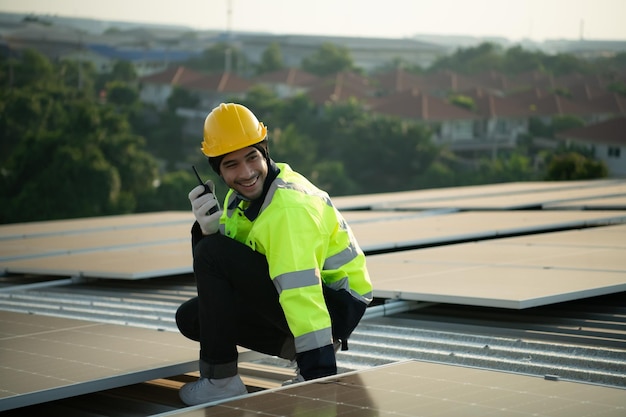
Rising energy costs keep squeezing your operating budget, and the usual fixes aren’t cutting it. Commercial solar savings offer a clear way to reduce operating costs by cutting utility bills, managing demand charges, and tapping federal solar incentives like the solar tax credit ITC. This numbers-first playbook breaks down how solar can stabilize your energy costs and boost cash flow—making it easier to decide if solar fits your business goals. Request your free Energy Savings Report and Incentive Check to see the real impact on your bottom line. For more information, visit https://enact.solar/commercial-solar-incentives-for-businesses/.
Understanding Commercial Solar Savings
When thinking about solar, it’s key to understand the variety of ways it can cut costs. This section breaks down the financial benefits you’ll gain from adopting commercial solar solutions.
Bill Offsets and Utility Bill Savings
Solar power can significantly cut your electricity bills. When you produce your own energy, the amount you need from the grid lessens. This means lower monthly utility expenses. Picture your business running on energy generated from your rooftop, cutting your usual bill by 50% or more. The savings are real and immediate, and you might even generate extra power to sell back to the grid.
Explore more about solar savings. With solar panels, you stabilize energy costs, avoiding the uncertainty of rising utility rates. Instead of worrying about price spikes, you enjoy predictable monthly expenses.
Demand Charge Reduction Strategies
Demand charges can be a big part of your electricity costs. These charges are based on your highest energy use during any part of the day. By using solar energy, you can manage these peaks. Smart energy management and battery storage can help balance out these high-demand periods, reducing charges.
Solar systems can be tailored to your business needs, ensuring you minimize demand charges. This is one more way solar makes your energy costs more predictable and manageable.
Federal Solar Incentives and Solar Tax Credit ITC
Federal incentives make installing solar more affordable. The solar tax credit, known as the ITC, allows you to deduct a significant portion of your solar costs from your taxes. Currently, this credit covers 26% of the installation cost, but it’s set to decrease over time.
These incentives make solar not just an energy solution but a smart financial decision. By acting now, you maximize your savings potential. Visit My Generation Energy to learn more about how these incentives can work for your business.
Financing Options for Solar Projects

Understanding your financing options is crucial to making solar work for your business. Let’s explore the different pathways you can take.
Commercial Solar Financing
Commercial solar financing helps businesses spread the cost of installation over time. With a variety of loans and leases available, solar becomes an investment, not an expense. Financing plans can be structured to fit your financial situation, ensuring you see savings from day one.
This approach makes it easier for businesses to adopt solar without the burden of upfront costs. You pay for solar as you save on energy, making it a cash-flow positive investment.
Power Purchase Agreement PPA
With a Power Purchase Agreement (PPA), you pay for the solar energy produced, not the system itself. This option allows you to avoid upfront costs and enjoy lower energy prices. A PPA can provide immediate savings and a predictable energy expense.
PPAs are a great choice if you want the benefits of solar without owning the system, offering flexibility and financial efficiency.
Direct Pay for Nonprofits
Nonprofits can struggle with capital expenses, but solar offers unique opportunities. Direct pay options allow nonprofits to benefit from solar savings without upfront costs. These programs are designed to help organizations reduce overhead and focus resources on their missions.
This option helps nonprofits stabilize costs and direct more funds toward their core objectives. It’s an effective way to meet sustainability goals while improving financial health.
Real-World Applications and Benefits

Solar energy isn’t just a good idea; it’s a proven solution. Let’s see how it applies across different sectors.
Solar for Manufacturing and Municipalities
Manufacturing facilities and municipalities often face high energy demands. Solar can significantly reduce these costs, providing a reliable energy source. By investing in solar, these sectors can stabilize their energy expenses, making budgeting easier.
Manufacturers benefit from a consistent power supply, while municipalities can allocate savings to other community projects. Solar is not just an energy solution; it’s a way to enhance operational efficiency.
Cash-Flow Positive Solar Solutions
Solar can become cash-flow positive quickly. By reducing energy costs, your business starts saving immediately. The savings often outweigh the costs, providing a net gain for your business.
This positive cash flow supports growth and expansion opportunities. Solar isn’t just about saving money; it’s about creating financial opportunities for your business.
Nonprofit Solar Incentives and Peak Shaving with Solar Battery
Nonprofits can leverage unique incentives to adopt solar. These incentives often cover a substantial part of the installation cost, making solar highly attractive. Additionally, solar batteries can help manage energy use, shaving peak demands and further cutting costs.
This combination of incentives and technology helps nonprofits achieve sustainability goals while reducing financial strain. Solar energy offers a tangible way to support missions and reduce expenses.
Frequently Asked Questions
What are the main benefits of commercial solar savings?
Commercial solar saves money by reducing utility bills, lowering demand charges, and taking advantage of federal incentives like the ITC. It stabilizes energy costs, making budgeting easier.
How does a Power Purchase Agreement (PPA) work?
A PPA allows you to pay for the energy produced by the solar system rather than the system itself. This setup means no upfront costs, immediate savings, and predictable energy expenses.
Can nonprofits benefit from solar energy?
Yes, nonprofits can benefit significantly from solar energy. Direct pay options and special incentives make solar accessible, helping reduce overhead costs while supporting sustainability goals.
What should businesses consider when financing solar projects?
Businesses should explore various financing options, like loans, leases, and PPAs, to find the solution that best fits their financial situation. These options spread costs over time, offering immediate savings.
Why is solar energy a good fit for manufacturing facilities?
Manufacturing facilities have high energy demands, and solar provides a reliable, cost-effective energy source. It helps stabilize energy expenses, making operational budgeting more predictable.