Most businesses believe solar means a big upfront cost with slow payback. That’s no longer true. Federal solar incentives now cover up to 90% of commercial project costs when stacked right. You’ll learn how tax credits, bonus credits, depreciation, and direct pay options combine to make solar a smart financial move for your operation. Learn more about federal incentives for solar energy.
Understanding Federal Solar Incentives
Federal solar incentives can drastically cut project costs, turning solar panels into a financial gain. Here’s how each incentive plays a role.
Investment Tax Credit ITC 30%
The Investment Tax Credit (ITC) lets you deduct 30% of solar project costs from your taxes. This substantial cut means more savings.
When you invest in solar, the ITC helps lower your upfront costs. For instance, a $100,000 project would see $30,000 shaved off right away. This credit directly reduces what you owe in federal taxes, making it a straightforward benefit.
Elective PTC Option Explained
The Elective Production Tax Credit (PTC) offers another way to save. Instead of a lump sum like the ITC, it provides savings over time based on energy production.
Choosing the PTC means you get a credit per kilowatt-hour your system generates. This option can be beneficial if your solar output is high, adding consistent financial benefits each year.
Bonus Credits Breakdown
Bonus credits offer even more savings. These are stackable with the ITC or PTC, depending on specific project features or locations.
-
Energy Community Bonus Credit: If your project is in a designated energy community, you gain extra credits.
-
Domestic Content Bonus Credit: Projects using U.S.-made components earn additional credits.
-
Low-Income Communities Bonus Credit: Installations in low-income areas qualify for further credits.
These bonuses can push your savings even higher, making solar an even smarter investment.
Structuring for Maximum Savings

Maximizing savings involves strategic planning. Here’s how to structure your project for the best financial outcome.
MACRS and Bonus Depreciation Solar
The Modified Accelerated Cost Recovery System (MACRS) allows for asset depreciation over five years, offering speedy tax benefits.
With MACRS, you can recover solar costs faster through tax deductions, which enhances cash flow. Bonus depreciation allows for an additional first-year deduction, making solar projects even more financially attractive.
Tax Credit Transferability Solar
Transferability lets you sell unused tax credits, providing liquidity and flexibility.
If your tax liability is low, transferring credits can ensure you still reap the financial benefits. This approach allows you to convert potential savings into immediate cash flow.
Direct Pay for Nonprofits
Nonprofits often can’t use tax credits, but direct pay options convert credits into cash payments.
This process enables tax-exempt entities like schools and charities to benefit from solar incentives. Instead of missing out on tax credits, these organizations receive equivalent cash payments to offset project costs.
Realizing Commercial Solar ROI
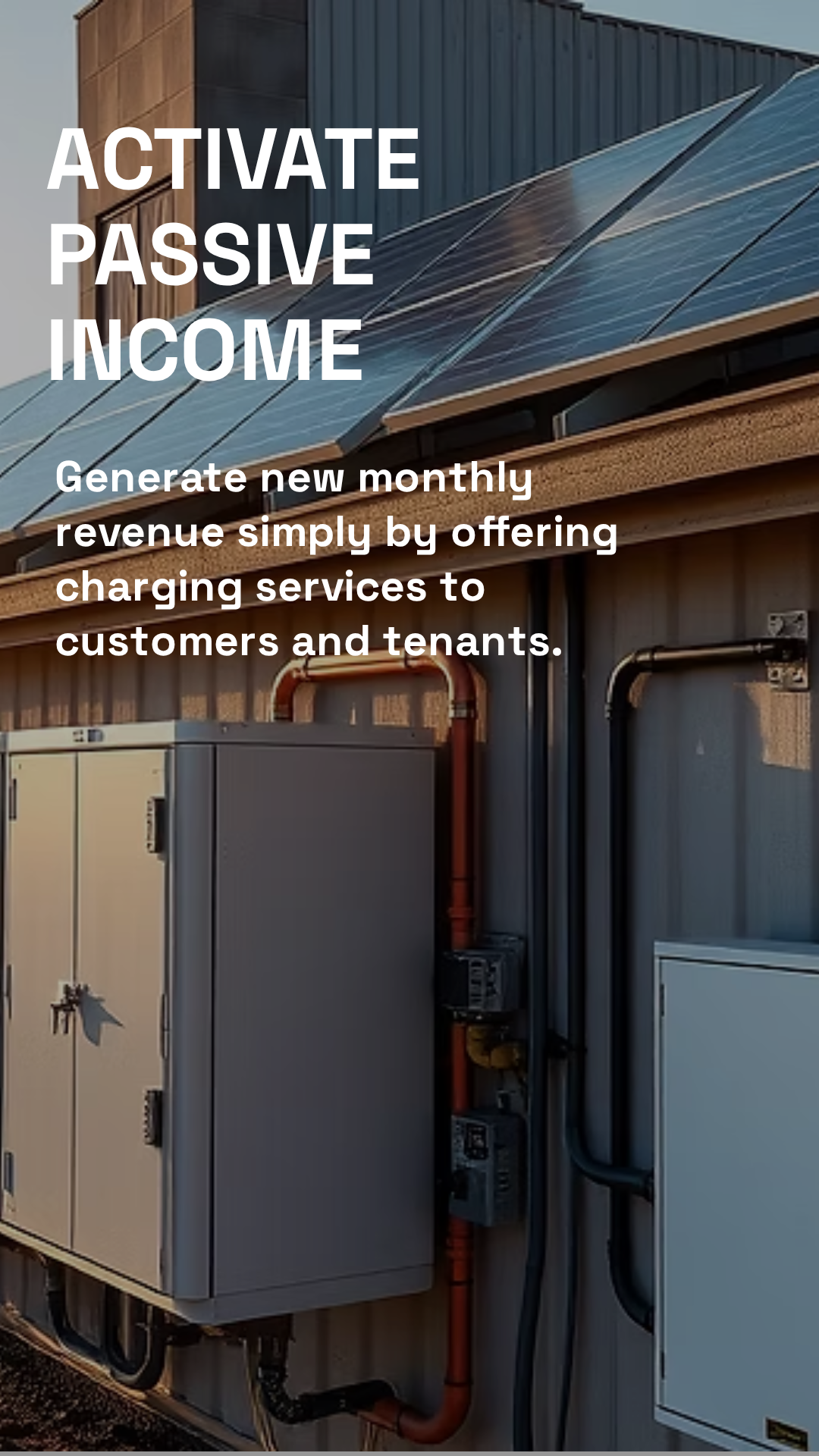
Investing in solar isn’t just about tax savings; it’s about long-term financial health.
Reduce Operating Expenses
Solar reduces energy bills, freeing up funds for other business needs.
By generating your own power, you cut reliance on utility companies and lower monthly expenses. This reduction improves your bottom line and allows for reinvestment in growth areas.
Stabilize Long-term Energy Costs
Avoid energy price swings by locking in predictable costs with solar.
With solar, energy rates become more stable, allowing for budget predictability. This stability protects you from future rate hikes and helps in financial planning.
Solar for Manufacturing Facilities and More
Solar suits a range of industries, from manufacturing to municipalities.
For manufacturing, solar lowers operating costs and enhances profit margins. Schools and nonprofits gain sustainability without financial strain, thanks to direct pay options. These broad applications make solar a versatile tool for economic improvement.
Frequently Asked Questions
What is the Investment Tax Credit (ITC) for solar?
The ITC allows you to deduct 30% of your solar project costs from your federal taxes, reducing the upfront financial burden significantly.
How does the Elective PTC differ from the ITC?
While the ITC provides a one-time tax reduction, the Elective PTC offers ongoing savings based on the solar energy your system produces, rewarding high-output systems.
Can nonprofits benefit from solar incentives?
Yes, through direct pay options, nonprofits can receive cash payments equivalent to tax credits, helping offset solar project costs even without tax liability.
What are bonus credits in solar incentives?
Bonus credits offer additional savings for projects in specific categories, such as those in low-income communities or using domestic materials, further enhancing financial benefits.
How does solar help reduce long-term energy costs?
Solar stabilizes energy expenses by allowing you to generate your own power, thus reducing dependence on fluctuating utility rates and providing budget certainty.