Choosing the right commercial solar partner can make or break your complex C&I solar projects. Many decision-makers face hidden risks, missed incentives, and unpredictable costs that drain budgets and delay savings. This checklist strips away the guesswork so you can identify partners who deliver turnkey commercial solar solutions, capture every available federal solar tax credit, and keep your project on track. Ready to cut risk and boost your bottom line? Let’s get started. For more insights, visit Raya Solar.
Selecting a Reliable Solar Partner
Choosing a capable solar partner is the first step to ensuring your project’s success. Let’s explore what to look for in a commercial solar partner.
Evaluating Commercial Solar EPC Firms
Finding the right firm involves careful consideration. Look at their track record with similar projects. Experience matters. When assessing potential partners, check their history of successfully completed projects that resemble yours. A solid portfolio can be a good indicator of capability. Speak with previous clients. Direct feedback from past customers can provide insight into their work quality and reliability.
Consider their approach to project management. A firm with a clear process will likely handle your project smoothly. Ask about their timeline adherence and how they deal with unexpected challenges. This can reveal their problem-solving skills. For a deeper dive into evaluating solar companies, check out this guide.
Key Criteria for C&I Solar Projects
Complexity demands expertise. For commercial and industrial solar projects, several criteria are crucial. First, ensure they offer comprehensive services. This means handling everything from design to installation. A firm that covers all bases reduces the need for multiple contractors, saving you time and stress. Assess their financial acumen. They should help you navigate financing options and incentives. This ensures you don’t leave money on the table.
Evaluate their technical capability. Your partner should use cutting-edge technology and methods to optimize performance. Ask about their maintenance and support services. Long-term support can prevent minor issues from becoming major problems. For more on planning commercial solar projects, visit EnergyLink.
Reducing Risks in Solar Investments

Reducing risks is a key component of any solar investment. By understanding and mitigating these risks, you can secure your investment.
Solar Project Risk Mitigation Strategies
Investing in solar requires a strategic approach to risk. Start by identifying potential risks. Common risks include financial, technical, and regulatory challenges. Develop a detailed risk management plan. This should include contingency plans for each identified risk. A proactive approach can prevent issues from escalating.
Work closely with your partner to ensure they have their own risk management strategies. This collaboration can safeguard your investment. Regularly review and update your risk plan. Changes in technology, regulations, or market conditions may introduce new risks or alter existing ones. For more about overcoming solar installation challenges, read this article.
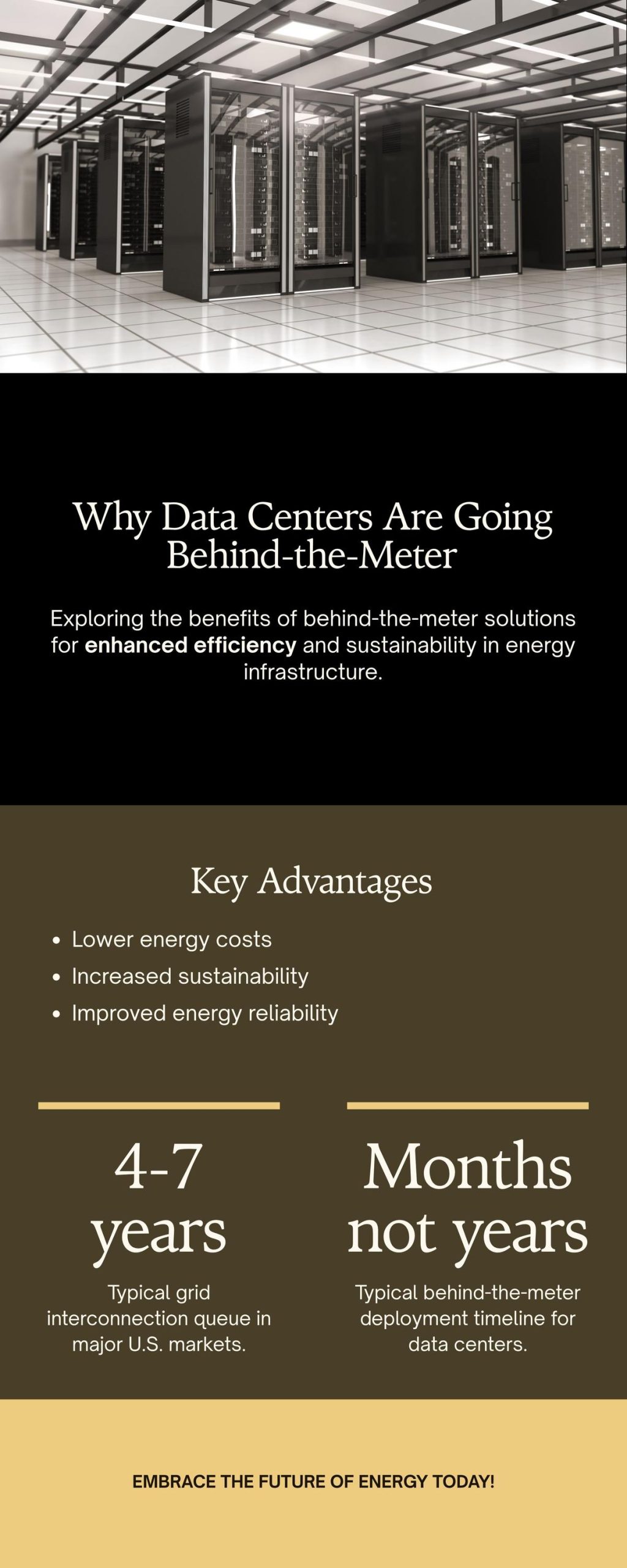
Understanding Utility Interconnection Timelines
Navigating utility interconnection is vital. Delays here can impact project timelines significantly. Start by learning the local utility’s requirements. Understanding their process can help you plan more effectively. Submit all necessary documentation promptly. Incomplete or late submissions can cause delays.
Communicate regularly with the utility company. Keeping lines of communication open can help address issues quickly. Enlist your solar partner’s help. They should be well-versed in utility requirements and can assist in streamlining the process. To cut through the confusion about interconnection, visit Catalyze.
Capturing Solar Incentives and Financial Benefits

Maximizing financial benefits from solar projects involves understanding the incentives available and how to capture them.
Navigating Federal Solar Tax Credits
Federal tax credits can significantly offset costs. Familiarize yourself with the Section 48 ITC, which offers a percentage of the project cost as a credit. Know the deadlines. Timing is crucial to ensure eligibility. Consult with your partner on documentation. Accurate paperwork is essential for claiming credits.
Stay updated on changes to tax laws. Legislation can change, impacting available credits. Use incentives as part of a broader financial strategy. They should complement other financing methods for optimal benefits. For more about leveraging tax credits, explore this guide.
Comparing PPA vs Ownership Models
Choosing between a Power Purchase Agreement (PPA) and ownership depends on your financial goals. A PPA involves third-party ownership. You pay for the electricity generated, often at a lower rate than grid power. This model can offer immediate savings without upfront costs. Ownership, however, involves buying the system outright. It offers long-term savings and increased energy independence.
Consider your cash flow, tax situation, and long-term goals. Each model has benefits depending on your circumstances. Discuss with your solar partner to determine the best fit for your business. To plan your solar financial strategy, visit PowerFlex.
Frequently Asked Questions
What should I look for in a solar partner?
Seek a partner with a proven track record, full-service offerings, and strong financial expertise. They should also provide ongoing support and use advanced technology.
How can I reduce risks in solar projects?
Develop a risk management plan, collaborate with your partner on strategies, and regularly update your plan to reflect changes.
What are the benefits of federal solar tax credits?
Federal tax credits can significantly lower project costs by providing a percentage of the total cost as a credit, reducing upfront expenses.
What’s the difference between PPA and ownership models?
A PPA involves paying for energy production without owning the system, while ownership means buying the system for long-term savings and independence.
How do utility interconnection timelines affect projects?
Delays in utility interconnection can impact project completion, so timely submission of required documents and regular communication with the utility are crucial.