Rising energy costs are squeezing your budget, and guessing your next bill only adds to the stress. Solar offers a way to control those expenses, but the financial details can feel overwhelming. Before you evaluate commercial solar, get clear on costs, the federal solar tax credit, and how incentives shape your solar payback period. Here’s a straightforward guide to help you make smart, confident decisions—and claim your free Energy Savings Report to see what solar can really do for your business. For more insights, check out this guide to commercial solar properties.
Understanding Commercial Solar Costs
Understanding the costs of commercial solar starts with knowing where your money goes. Let’s break it down into key components that will impact your decision.
Initial Investment Breakdown
When you look at the initial costs, think of it as more than just the solar panels. Installation includes panels, inverters, mounting equipment, and labor. The size of your system will dictate the overall expense. For instance, a large facility might require more panels, which means higher costs but also greater savings potential. Don’t forget about the permitting and inspection fees. While these costs can seem daunting, remember that they are investments toward reducing your long-term energy expenses.
Financing Options Available
You don’t have to pay everything upfront. Many businesses choose financing to spread the cost over time. Options like commercial loans, solar leases, and power purchase agreements (PPAs) are available. A PPA, for example, allows you to pay for the electricity generated rather than the panels themselves. This can mean no initial cost, just a monthly fee. Learn more about PPAs and other financing options to find the best fit for your business.
Managing Utility Rate Escalation
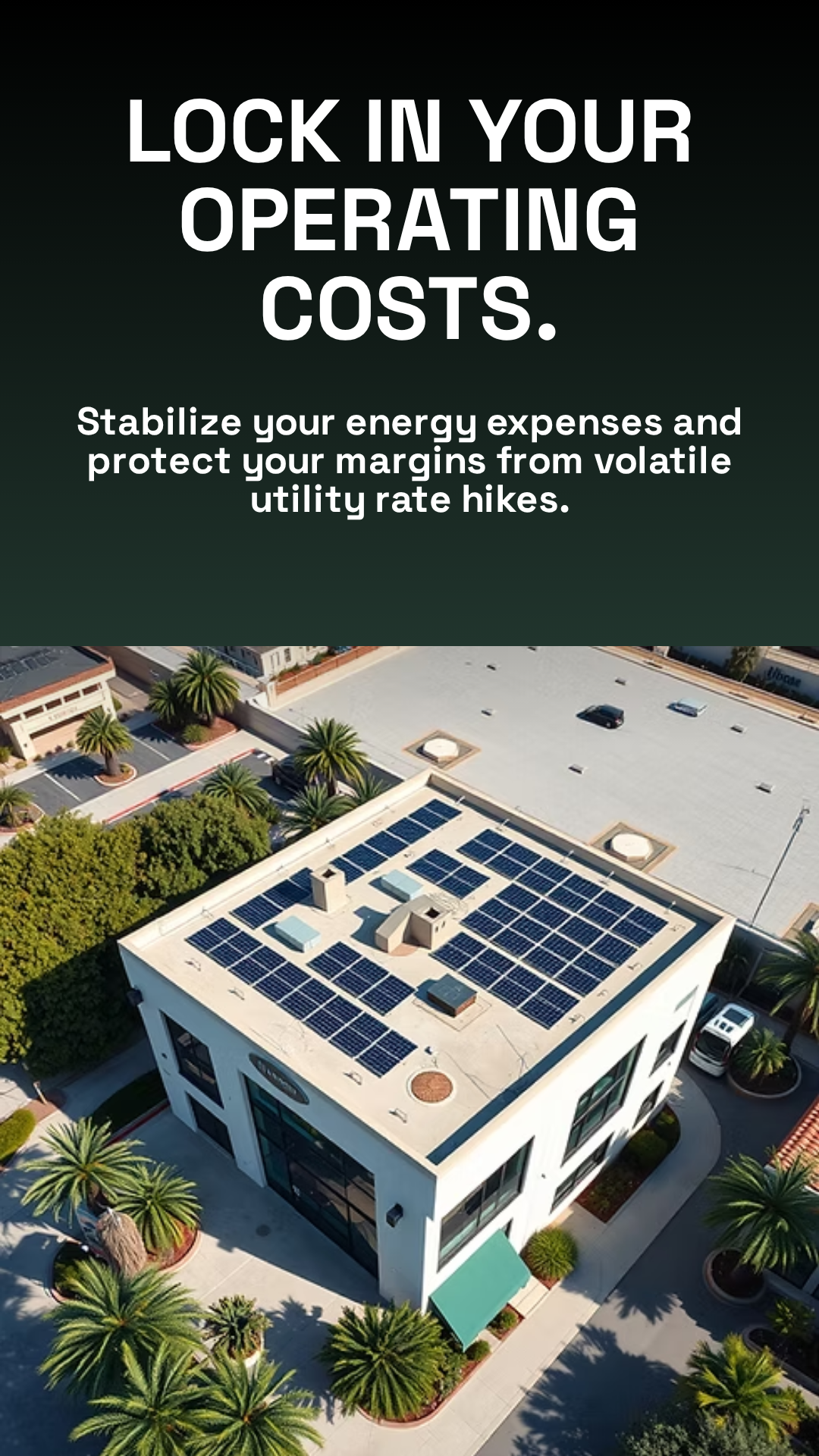
Utility rates are unpredictable and often increase over time. By investing in solar, you can stabilize your energy costs. Solar reduces your reliance on the grid, which protects you from rate hikes. This way, you have more control over your expenses, transforming a variable cost into a predictable one.
Navigating Commercial Solar Incentives
Incentives make solar more affordable and appealing. Knowing which ones apply to you can significantly impact your ROI.
Federal Solar Tax Credit Insights
The federal solar tax credit, also known as the Investment Tax Credit (ITC), allows you to deduct a portion of your solar expenses from your taxes. This credit covers a percentage of the installation costs, which can significantly reduce the financial burden. It’s a major factor in the decision-making process for many businesses. Don’t overlook this beneficial opportunity when planning your solar investment.
State and Utility Incentive Programs
Beyond federal incentives, many states offer additional programs. These can include rebates, performance-based incentives, and more. Utility companies sometimes provide credits for solar energy produced, which can further offset costs. Each state and utility has different offerings, so it’s crucial to research what’s available in your area. Check out this hub for state-specific incentive information.
Bonus Depreciation and Direct Pay
Bonus depreciation allows businesses to recover some of their solar investment through tax deductions. This can improve your cash flow, especially in the first year. For nonprofits that can’t use tax credits, direct pay options provide similar benefits by offering cash payments instead. It’s worth exploring these options to see the financial advantages they offer.
Calculating Solar ROI and Payback
Understanding your return on investment (ROI) and payback period helps you see when your solar system will start saving money.
Analyzing Commercial Solar Savings
Your solar savings start with reduced utility bills. Over time, these savings add up, offsetting the initial costs. Calculate your potential savings by looking at current electricity rates and estimating future increases. This analysis can give you a clear picture of how solar will benefit your bottom line.
Understanding Solar Payback Period
The payback period is how long it takes for your solar savings to cover the initial costs. For many businesses, this ranges from 5 to 10 years. Factors like system size, electricity rates, and available incentives can influence this timeline. The sooner you reach payback, the sooner you’ll see pure savings.
Long-term Energy Cost Control Strategies
After reaching your payback period, the focus shifts to long-term savings. Solar panels typically last 25 to 30 years, meaning decades of lower energy bills. This extended period of cost control can significantly impact your financial planning, allowing for reinvestment in other areas of your business.
Frequently Asked Questions
What is the average cost of commercial solar installation?
The cost varies widely based on system size, location, and specific needs. On average, commercial installations can range from $100,000 to over $1 million.
How does the federal solar tax credit work?
The federal solar tax credit allows businesses to deduct a percentage of their solar installation costs from their federal taxes. This percentage can significantly reduce the overall cost of going solar.
What financing options are available for commercial solar?
Options include commercial loans, solar leases, and power purchase agreements (PPAs). Each offers different benefits, such as no upfront cost or spreading payments over time.
How long is the solar payback period for businesses?
The payback period typically ranges from 5 to 10 years, depending on factors like system size, electricity rates, and incentives.
What are the benefits of state and utility incentives?
State and utility incentives can include rebates, performance-based incentives, and net metering, which can further reduce the cost of solar and enhance savings.