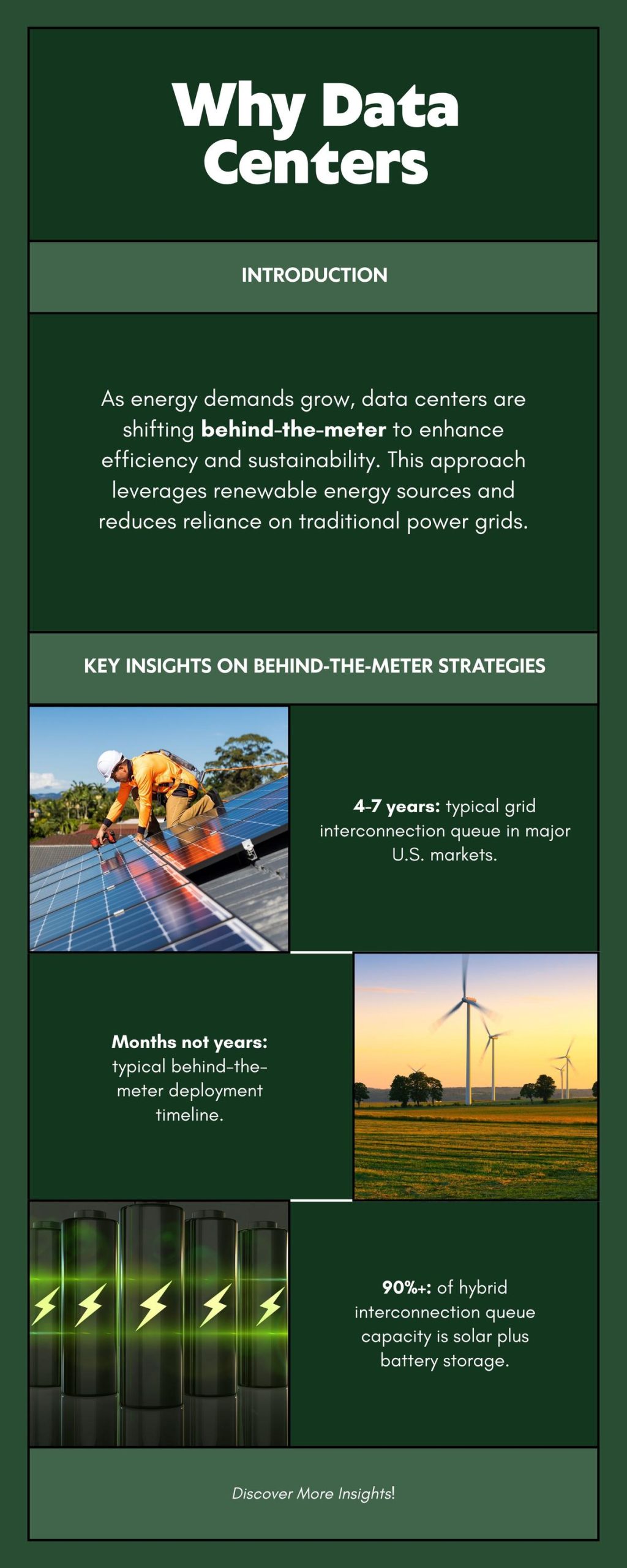
Utility bills for commercial properties keep climbing, squeezing budgets and making costs unpredictable. You need a clear way to reduce utility costs without risky investments. This guide shows simple steps that tap into federal solar tax credits and state incentives covering up to 90 percent of costs, helping you achieve commercial property energy savings now and for years to come. Ready to stabilize energy costs and improve cash flow? Explore more on managing energy costs in commercial real estate here.
Immediate Steps to Reduce Utility Costs
Taking immediate action can offer quick relief from rising utility expenses. Let’s dive into practical steps you can take today.
Conduct an Energy Audit
Begin by assessing your current energy consumption. An energy audit identifies where your commercial property is using energy inefficiently. It provides insights into areas needing improvement. By understanding your energy footprint, you can make informed decisions on where to cut costs. Look for professional auditors who can provide a comprehensive evaluation. They often suggest low-cost improvements that can significantly decrease usage. This step is crucial in paving the way for more efficient energy use.
Implement Quick Energy Fixes
After your audit, act on the low-hanging fruits. Replace old lighting with LED options to cut lighting costs by up to 75%. Adjust HVAC settings for optimal performance. Install programmable thermostats to better control heating and cooling. These changes might seem small, but they add up to substantial savings. Regular maintenance of equipment also ensures they run efficiently, reducing energy waste. Quick fixes like these reduce your utility bills without requiring big investments.
Leverage Federal and State Incentives
Take advantage of financial incentives that support energy efficiency. Programs are available to assist businesses in transitioning to more sustainable practices. These incentives can cover a large portion of your initial costs, easing the financial burden. Research the specific incentives available in your state and see how they align with your goals. For example, some programs might offer rebates for upgrading to energy-efficient appliances. By leveraging these opportunities, you make sustainable changes more affordable.
Long-term Strategies for Energy Cost Control
While immediate fixes are essential, planning for the future ensures sustained savings. Let’s explore strategic investments that offer long-term benefits.
Invest in Commercial Solar Solutions
Solar energy is a powerful tool for reducing long-term energy costs. Installing solar panels can drastically reduce your reliance on traditional energy sources. Over time, this investment not only pays for itself but also generates savings. You might qualify for significant tax breaks that cover up to 90% of installation costs. This makes solar an attractive option for many commercial properties. Additionally, solar energy contributes to a greener footprint, aligning with sustainability goals.
Explore Battery Storage Options
Battery storage systems help manage energy usage effectively. They store excess energy generated during peak times for use when demand is high. This reduces the need for expensive grid energy during peak hours. Battery systems enhance energy independence and provide backup power during outages. By smoothing out energy demand, they also help lower overall costs. Consider battery storage as a complementary solution that maximizes the benefits of your solar investment.
Consider EV Charging Stations
As electric vehicles become more popular, installing EV charging stations can be a smart move. Not only do they support sustainable transportation, but they also attract eco-conscious tenants and customers. Offering charging options can set your property apart, potentially increasing its value. Financial incentives are often available to offset installation costs. Investing in this infrastructure now positions your property for future demand, creating an additional revenue stream.
Financial Benefits and Incentive Opportunities
Understanding financial incentives can significantly impact your decision-making process. Let’s break down the main opportunities available.
Understanding the Federal Solar Tax Credit
The Federal Solar Tax Credit is a critical benefit for property owners. It allows you to deduct a percentage of your solar installation costs from your federal taxes. This incentive substantially lowers the initial investment needed for solar projects. As the credit amount changes over time, staying informed is essential. Taking advantage of this tax credit can accelerate your ROI, making solar a more viable option.
MACRS Bonus Depreciation Explained
MACRS (Modified Accelerated Cost Recovery System) allows businesses to recover investments in solar technology more quickly. Bonus depreciation under MACRS provides a faster return on investment by allowing you to deduct a significant portion of your solar costs in the first year. This reduces taxable income, offering immediate financial relief. Understanding how MACRS applies to your solar project can optimize your financial strategy, enhancing cash flow.
Solar Incentives for Nonprofits and Municipalities
Nonprofits and municipalities can access unique solar incentives. These programs are designed to help organizations with limited capital reduce energy costs. They often cover up to 90% of solar installation expenses, making it a financially smart choice. By participating in these programs, nonprofits can redirect savings toward their missions. Municipalities can meet sustainability targets while lowering utility expenses. Explore these specific opportunities to maximize your financial and environmental impact.
For more insights on managing energy costs across commercial real estate, visit this link.
By implementing these steps and leveraging available incentives, your commercial property can achieve significant energy savings. Focus on both immediate actions and long-term strategies to control rising energy costs effectively.