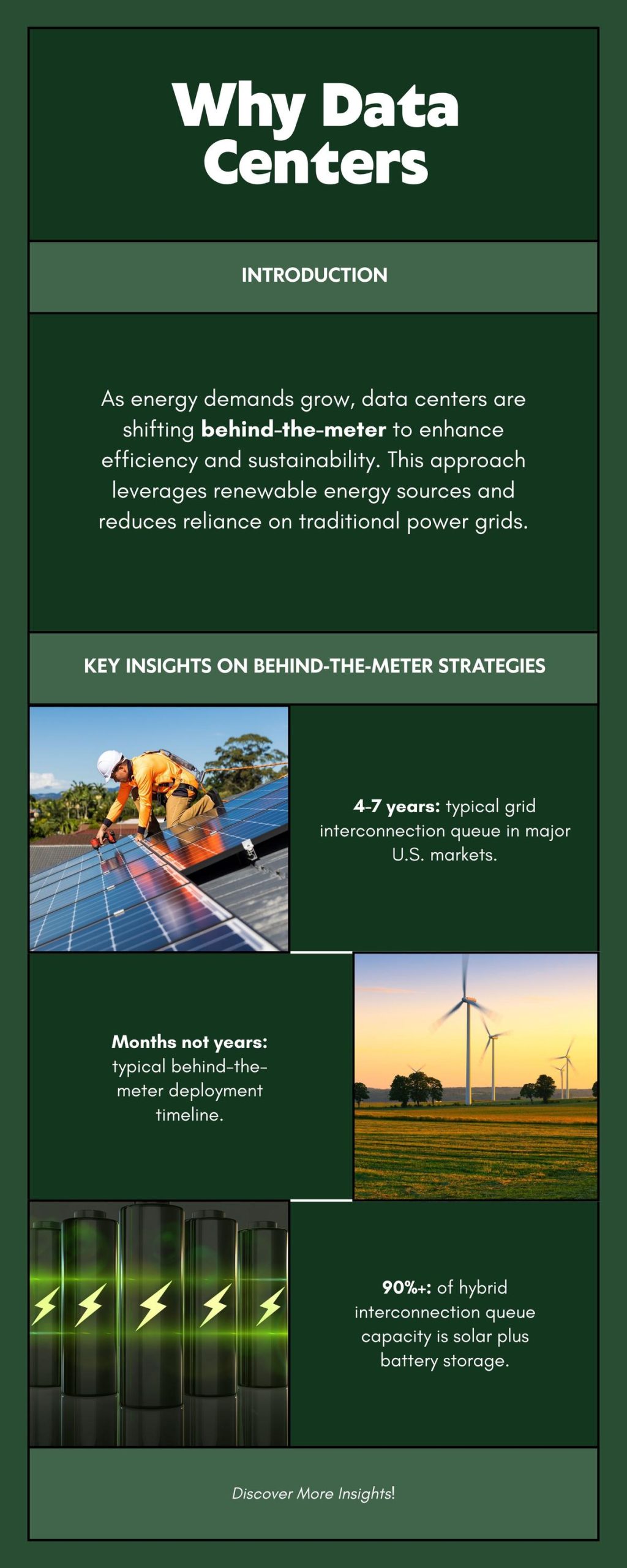
Rising utility bills are squeezing your commercial property’s budget more than ever. You need clear, low-risk steps to reduce commercial utility costs and stabilize energy expenses before they spiral out of control. This playbook breaks down how federal solar incentives like the 30% Investment Tax Credit and Inflation Reduction Act benefits can make solar projects cash-flow positive. Ready to see how your property can save? Keep reading to learn practical strategies and claim your free Energy Savings Report. For more tips, check out this guide.
Practical Steps to Reduce Costs
Reducing energy costs is within reach if you know where to start. Let’s look at key steps to help you cut down your bills effectively.
Evaluate Current Energy Usage
Knowing how much energy you use is the first step. Look at your last 12 months of utility bills to see patterns. Are there months where your usage spikes? Identify areas where energy waste happens, like lights left on or equipment running when not needed. Consider an energy audit. It might reveal hidden energy wasters you hadn’t thought of.
Next, prioritize quick wins. Simple fixes can make a big difference. Switch to LED lighting, adjust thermostat settings, or improve insulation. These changes can lower your usage right away. For more ideas, explore these ways to reduce energy costs.
Implement Energy Cost Control Strategy
Creating a strategy helps you manage costs and stay on track. Set energy reduction goals. Make them specific and achievable. Whether it’s cutting down by 10% or reducing peak usage, having clear targets keeps you focused.
Educate your team. Everyone should know how their actions impact energy use. Encourage habits like switching off equipment after use. Monitor progress with regular check-ins. Adjust your strategy if needed. This keeps you moving towards your goals, even if challenges arise.
Explore Battery Storage for Businesses
Battery storage can be a game-changer. It allows you to store energy for use when rates are high. This reduces your reliance on the grid and cuts costs. Consider if battery storage fits your business needs. Evaluate the upfront investment against long-term savings.
Look at case studies. How have similar businesses benefited? Learn from their experiences. This technology can stabilize your energy expenses, offering control and predictability.
Leveraging Federal and State Incentives

Government incentives can make solar projects more affordable. Understanding these options is key to maximizing savings.
Federal Solar Incentives and ITC 30%
The Investment Tax Credit (ITC) offers a 30% credit for solar projects. This reduces upfront costs significantly. It’s a major incentive, making solar more accessible. Check how your business qualifies.
Timing matters. The credit won’t last forever. Acting now ensures you capture this benefit. For businesses, this means making solar a practical choice today.
Inflation Reduction Act Incentives Explained
This act aims to lower energy costs. It includes various incentives for renewable energy projects. Understanding these can boost your savings. See how these incentives apply to your business model.
Stay informed. Changes in legislation may affect eligibility or benefits. Being proactive helps you adapt and make informed decisions.
Bonus Depreciation MACRS Benefits
MACRS allows for accelerated depreciation on solar equipment. This means you recover costs faster. It enhances cash flow and reduces tax burdens. Evaluate how this applies to your financial strategy.
Speak with a tax advisor. They can help you understand how these benefits integrate with your overall financial plan. It’s about leveraging all available advantages.
Financial Benefits of Solar Solutions
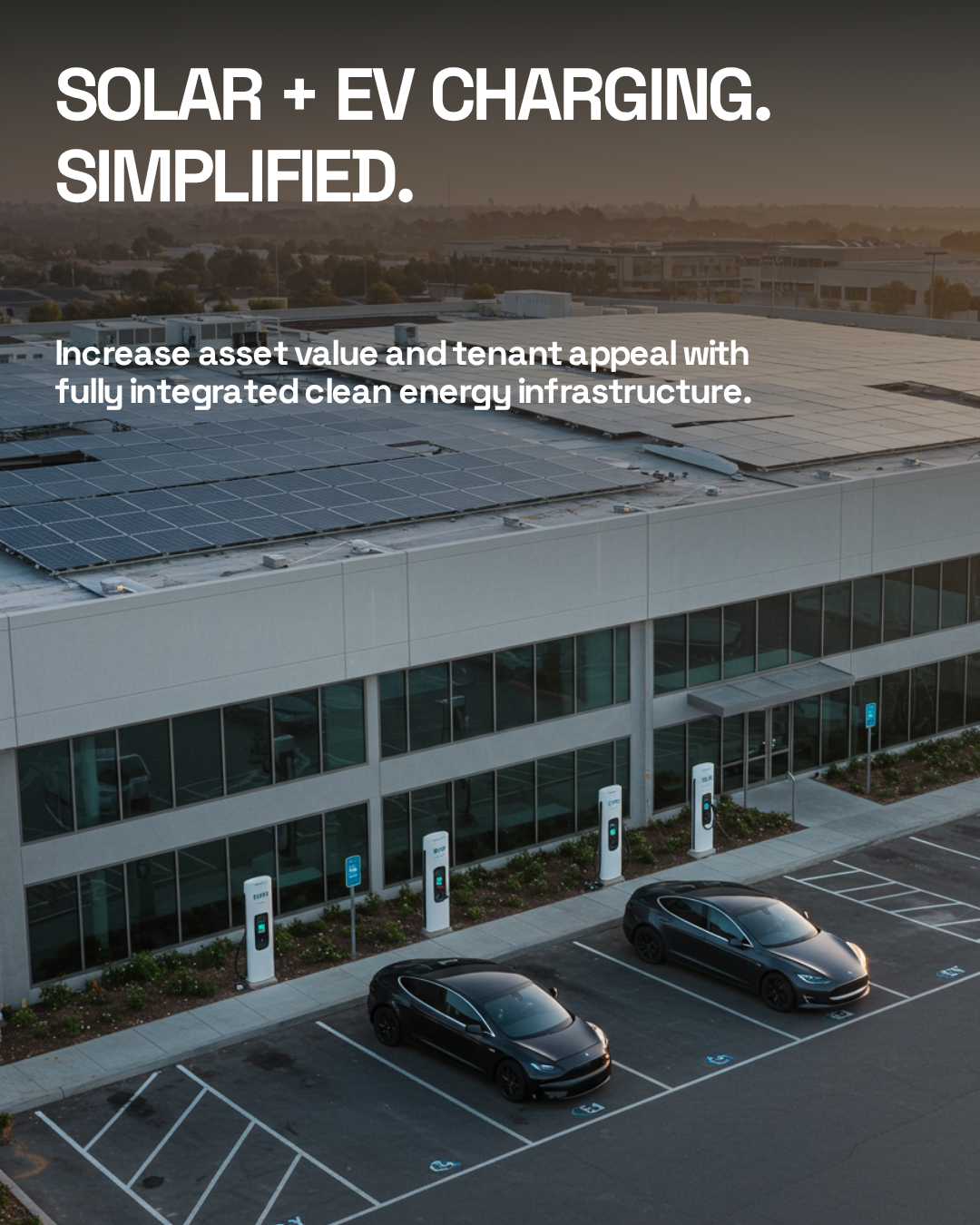
Solar energy offers more than just savings. It presents a way to invest in your business’s future.
Comparing PPA vs Ownership
Deciding between a Power Purchase Agreement (PPA) and ownership depends on your goals. PPAs involve little upfront cost; you pay for the energy produced. This option suits businesses seeking immediate savings without initial investment.
Ownership, however, allows you to capture all financial benefits, including incentives. It requires more investment but offers long-term returns. Weigh both options to see which aligns with your financial strategy.
Solar for Manufacturing and Retail Centers
Manufacturing and retail centers can greatly benefit from solar. High energy demand means bigger savings. Solar can cut costs, improve profit margins, and boost sustainability goals. It’s a strategic move, especially for energy-intensive operations.
Consider how solar integrates with your operations. For more insights, explore solar benefits for commercial properties. Tailor solutions to fit your unique needs.
Tailored Systems for Municipalities and Schools
Municipalities and schools face budget constraints. Solar can help lower utility expenses and support sustainability goals. Custom systems ensure you capture maximum benefits. It’s about creating solutions that meet specific needs.
Partner with experts. They’ll guide you through available incentives and system design. Ensure your community benefits from these projects. It’s a step towards a sustainable future for public facilities.
By following these strategies, commercial properties can effectively cut rising utility costs. Focus on practical steps, leverage incentives, and explore solar solutions that fit your needs.