Most commercial energy savings reports miss key details that impact your bottom line. If you want a clear view of how solar can cut costs, you need a report that breaks down your utility bills, demand charges, and available incentives like the federal solar tax credit. This checklist reveals what your report must include to boost cash flow and capture up to 90% of project costs through smart financing and incentive stacking. For more insights, check out this checklist.
Core Components of an Energy Report
Understanding the essential elements of an energy report can significantly impact your cost-saving strategies. Here’s what you should focus on to ensure a comprehensive analysis.
Utility Bill and Tariff Analysis
Getting a clear picture of your current expenses is crucial. By examining your utility bills, you’ll uncover patterns in energy usage and costs. Tariff analysis helps you identify costly rates and peak times when charges spike. A detailed review allows you to see where you’re overpaying and spot opportunities to save. This foundational step sets the stage for deeper insights into your energy habits.
Load Profile and Demand Charge Breakdown
Breaking down your load profile reveals how and when your building consumes energy. This analysis highlights peak demand periods, which often lead to higher charges. Demand charges can be a significant part of your bill. By understanding these patterns, you can adjust operations to reduce peak demand, saving money. It’s about knowing your energy flow and adjusting accordingly.
Baseline vs. Solar Scenarios
Comparing your current energy use with potential solar scenarios provides a roadmap for savings. A baseline scenario shows your existing costs and consumption. The solar scenario demonstrates potential savings with solar integration. This comparison helps visualize the financial benefits, showing how solar can cut expenses and improve efficiency. It’s about seeing the difference solar makes on your bottom line.
Financial Incentives and Savings Opportunities
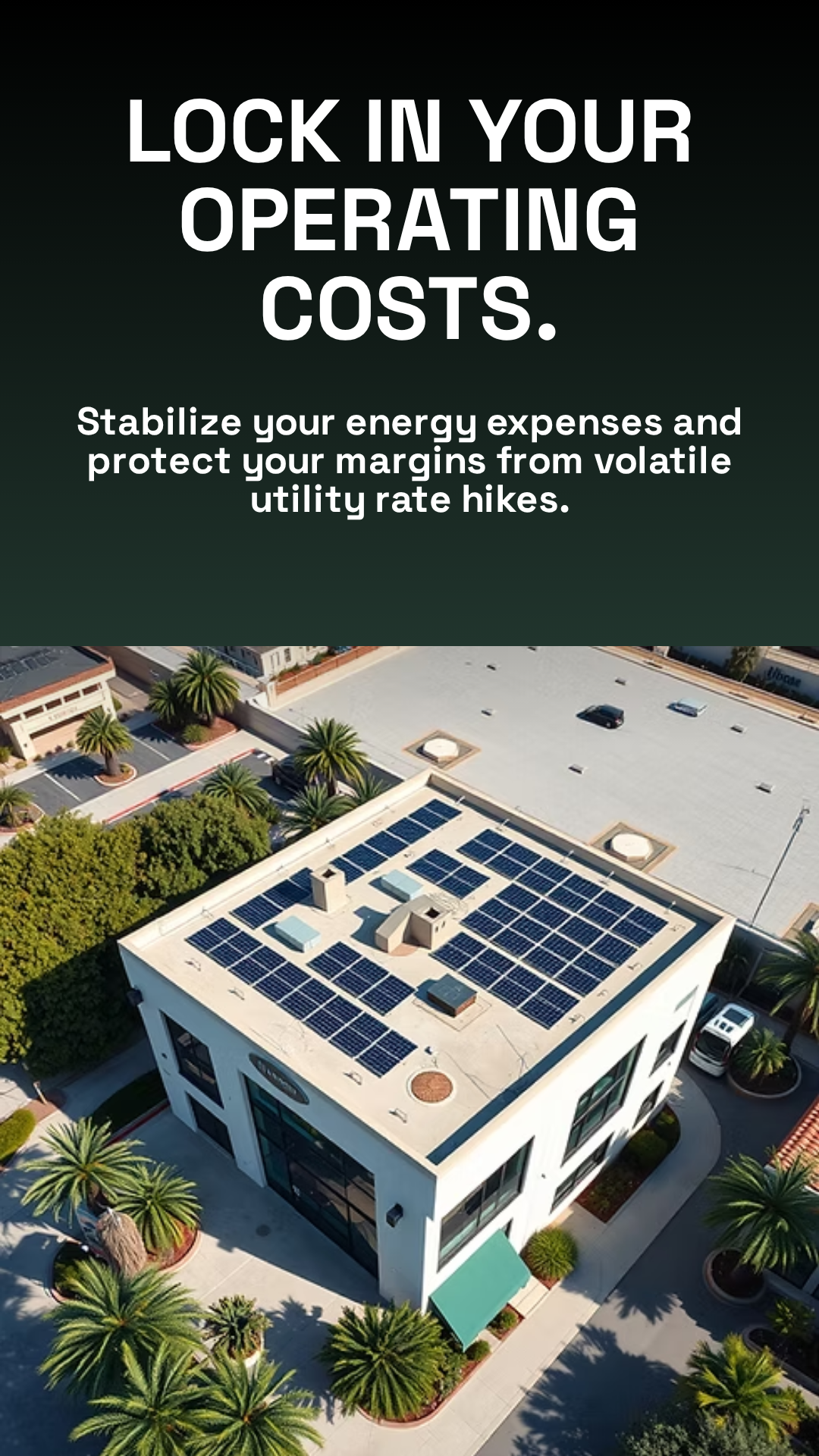
Once you’ve understood your energy profile, it’s time to explore financial incentives that enhance savings. This can make solar projects even more attractive.
Federal and State Solar Incentives
Federal and state incentives are key to making solar projects more affordable. The federal solar tax credit allows you to deduct a significant portion of installation costs. State programs, like the IRA Section 48 ITC, offer additional savings. These incentives reduce upfront costs, making solar projects financially viable. Knowing which programs apply to your project is crucial for maximizing benefits.
Financing Comparisons and Options
Understanding financing options can boost your savings. Comparing a Power Purchase Agreement (PPA) to loans shows different paths to ownership. PPAs often involve lower upfront costs, while loans may offer long-term savings. Knowing the pros and cons of each helps you make informed decisions. It’s all about choosing what aligns with your financial goals and cash flow needs.
20-Year Cash Flow Model
A 20-year cash flow model offers a long-term view of savings. This model projects your costs and savings over two decades, showing how solar impacts your finances. It considers factors like energy inflation and maintenance costs. By visualizing future savings, you gain confidence in your investment. Long-term planning ensures solar solutions align with your financial goals.
Capturing Maximum Solar Benefits
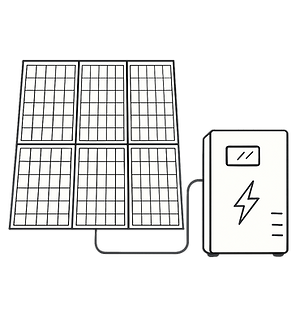
Maximizing solar benefits involves smart planning and risk management. Let’s explore strategies to ensure your project covers costs and achieves success.
Incentive Stack for Cost Coverage
Stacking multiple incentives can cover a large portion of your solar project costs. By combining federal, state, and local incentives, you increase total savings. This approach requires understanding eligibility and timelines. Properly stacking incentives ensures you capture all available savings, reducing your out-of-pocket expenses significantly.
Project Timeline and Risk Management
A clear project timeline helps manage risks effectively. It outlines each phase, from planning to installation, ensuring timely completion. Risk management involves identifying potential challenges and creating contingency plans. By understanding timelines and risks, you ensure a smooth project execution, minimizing unexpected costs and delays.
Measurement and Verification Plan
A measurement and verification plan ensures your solar system performs as expected. This plan tracks energy production and savings over time. Regular monitoring detects issues early, maintaining efficiency. Verification provides peace of mind that your investment delivers promised savings. It’s about ensuring your solar system meets financial and performance expectations.
In summary, understanding these core components and financial incentives can significantly improve your energy cost control and savings potential. With the right strategies, you can transform energy expenses into long-term financial assets.