Rising energy costs are squeezing your budget more every month. Approving a commercial solar project could ease that pressure—but only if you know the right questions to ask first. This commercial solar checklist lays out what matters most for CFOs and owners, from cash flow and incentives to contracts and timelines. Keep reading to make your approval decision with confidence and avoid costly surprises. For more details on the solar project development process, check out this guide.
Evaluating Financial Benefits
Before diving into the technical side of a solar project, understanding the financial implications is crucial.
Assessing Cash Flow and ROI
Considering solar for your business means looking at both cash flow and return on investment. Solar can drastically shift your cash flow to a positive state. Instead of seeing energy bills each month, think of the savings you’ll gain over time. Businesses often find that their solar investment pays off in just a few years.
So, how do you get there? Start by calculating your current energy costs. Then, compare them to projected solar savings to see how quickly the solar system will pay for itself. With the right setup, you might even start seeing savings right away. That’s where cash-flow-positive solar comes into play.
Federal Incentives and Tax Credits
The government offers several incentives to support the adoption of solar. The federal solar tax credit allows you to deduct a percentage of the solar installation costs from your taxes. Don’t forget about the bonus depreciation MACRS, which lets businesses recover some of the initial costs faster.
For nonprofits, the Direct Pay option under section 6417 can be a game-changer, offering benefits even without a tax liability. Understanding these options can significantly reduce your project’s cost, making solar not just a sustainable choice but a financially sound one too.
Financing Options: PPA vs Ownership
Choosing how to finance your solar project is essential. Two popular options are Power Purchase Agreements (PPA) and direct ownership. With a PPA, you pay for the energy produced, not the panels, which means low upfront costs. Ownership, on the other hand, involves buying the system outright, granting you full benefits from tax credits and depreciation.
Consider your business’s financial position and future goals. C-PACE solar financing might also be worth exploring, as it allows you to finance the system through property tax assessments.
Technical Considerations and Site Readiness
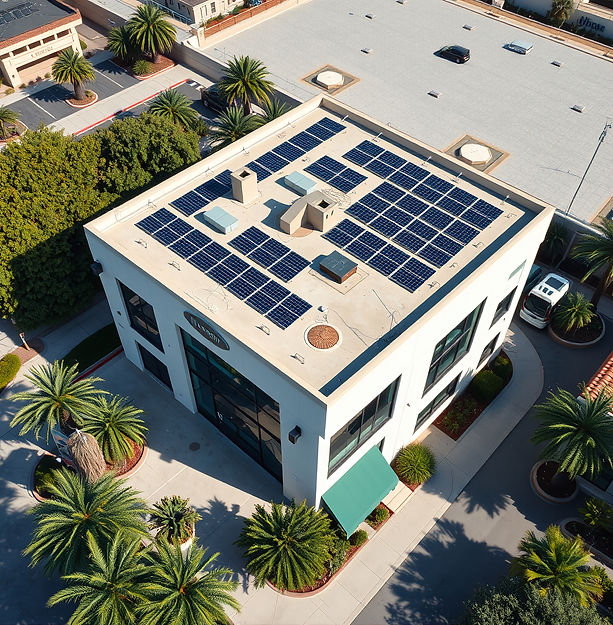
Understanding the technical requirements will ensure your project runs smoothly from start to finish.
Utility Interconnection Timeline
Connecting your system to the grid is a critical step. The utility interconnection timeline can vary significantly depending on your location and utility provider. Starting this process early can help prevent delays. Knowing what to expect can save you time and frustration.
It’s important to engage with your utility provider early in the process. Discuss any potential obstacles and their solutions. This proactive approach ensures a smoother transition to solar power.
Net Metering and Export Rates
Net metering allows you to send excess energy back to the grid, potentially earning credits on your utility bill. Understanding your local export rates is crucial, as they directly impact your return on investment.
Different regions have varying policies, so be sure to do your homework. These policies can affect your overall savings and influence the financial viability of your project. Ensuring you know your options will help you optimize your solar strategy.
Site Assessment and Infrastructure
Before installation, a thorough site assessment is essential. This involves evaluating your building’s infrastructure and ensuring it can support solar panels. Cedar Creek Energy provides an excellent overview of what to expect during this process.
Understanding your site’s potential can maximize its energy production capabilities. Working with experienced professionals ensures that your system is designed to meet your specific needs, avoiding potential pitfalls along the way.
Risk Management and Contracts

Properly managing risks and understanding the contracts involved are crucial steps for any solar project.
Performance Guarantees and O&M
Performance guarantees provide peace of mind, ensuring that your system produces as promised. These guarantees often come with Operation and Maintenance (O&M) services, which ensure your system runs optimally throughout its life.
Having a clear agreement can help avoid unexpected costs and ensure consistent energy production. Regular maintenance checks and updates can extend the life of your solar system, maximizing your investment.
Contractual Obligations and Warranties
Understanding the contractual obligations and warranties associated with your solar system is vital. These will lay out the responsibilities of each party involved in the project. Be sure to read and comprehend all terms before signing any agreements.
Warranties typically cover the panels, inverters, and installation. They protect your investment by ensuring that any issues are addressed promptly. Knowing your coverage helps you plan for the future and avoid unexpected expenses.
Understanding Project Timelines and Risks
Solar projects can vary in duration, depending on numerous factors. Understanding the project timeline helps you plan accordingly. SolarTech Online offers insights into what to expect throughout the project’s duration.
It’s also crucial to identify potential risks that could impact the timeline or budget. By addressing these early on, you can mitigate their effects. A well-planned project reduces stress and ensures a smoother transition to solar energy.
The journey to solar energy can be complex, but with the right information and guidance, you can make a confident decision that benefits your business for years to come.