First Solar stock has captured attention as market momentum shifts in 2026. If your energy costs keep climbing, this trend could signal a way to stabilize expenses and improve cash flow. You’ll learn how federal incentives stack up to cut project costs and how commercial solar savings can reshape your operating budget. Keep reading to see what these solar stock market trends mean for your business bottom line.
Explore the real costs and incentives of commercial solar installations to better understand how these trends can work for you.
First Solar Stock and Energy Costs
The latest trends in solar stocks are promising for businesses seeking to control their energy expenses. Understanding these market shifts can help you plan for more predictable costs.
Solar Stock Market Trends
First Solar stock has become a focal point for investors. With growing interest in renewable energy, solar stocks are seeing a boost. This market momentum reflects confidence in solar as a sustainable and profitable energy source. Businesses can leverage this by investing in solar solutions that promise long-term savings. The solar market’s growth indicates strong fundamentals that can translate to reduced energy expenses for commercial entities.
Impact on Commercial Energy Bills
Solar investments can significantly lower your energy bills. By adopting solar energy, businesses reduce reliance on traditional power sources, which are prone to price fluctuations. This shift not only stabilizes operational costs but also aligns with sustainability goals. As energy costs rise, transitioning to solar becomes a strategic move to safeguard your budget.
2026 Solar Incentives Outlook
Looking ahead, 2026 promises to be a pivotal year for solar incentives. Federal programs are set to make solar projects more financially attractive. These incentives aim to offset initial costs, making solar adoption a smarter choice for businesses looking to cut expenses. With favorable policies, now is the time to consider solar as part of your energy strategy.
Leveraging Federal Solar Incentives

Federal incentives are structured to make solar projects financially viable. By understanding these programs, businesses can maximize savings and improve cash flow.
Federal Solar Tax Credit 30%
The federal tax credit covers a substantial portion of solar project costs. This credit reduces the financial burden on businesses, encouraging more to adopt solar solutions. By claiming this credit, you can cut down on initial investment expenses, making solar projects more affordable and appealing.
Inflation Reduction Act Incentives
This act includes measures to lower costs for businesses investing in renewable energy. It aims to provide direct financial benefits, ensuring that solar adoption is economically sound. With these incentives, businesses gain a competitive edge by reducing overheads and enhancing sustainability.
MACRS Solar Depreciation Benefits
The Modified Accelerated Cost Recovery System allows for quicker depreciation of solar investments. This translates to tax savings, further reducing the long-term cost of solar projects. By taking advantage of MACRS, businesses can improve their financial health while committing to renewable energy solutions.
Achieving Commercial Solar Savings
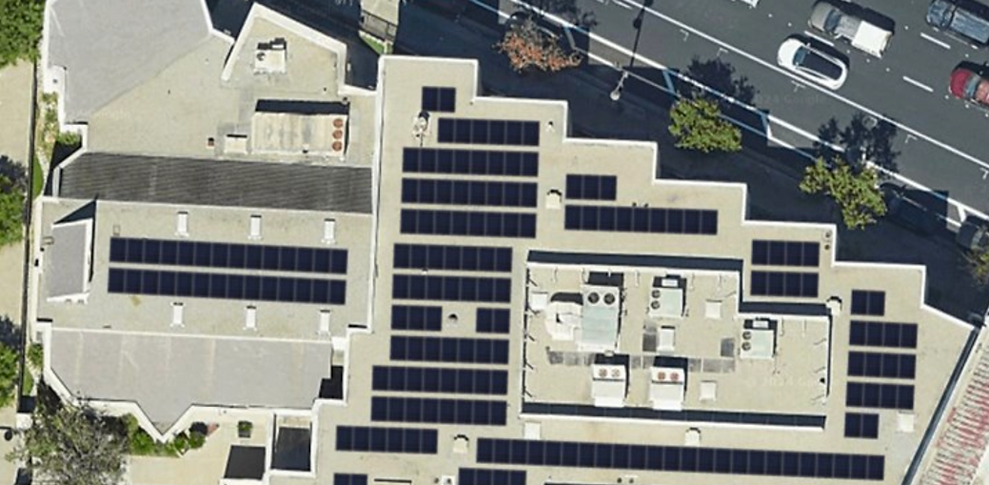
Commercial solar projects offer substantial savings and operational advantages. Understanding the components of these projects can help businesses make informed decisions.
Turnkey Commercial Solar Projects
Turnkey solutions offer a hassle-free way to adopt solar energy. These projects are designed to provide end-to-end service from planning to installation. By choosing turnkey solutions, businesses simplify the transition to solar, ensuring a smooth integration with minimal disruption to operations.
Battery Storage Incentives
Battery storage enhances the efficiency of solar systems. Incentives for storage solutions make it easier for businesses to store excess energy for later use. This capability not only optimizes energy use but also provides a buffer against peak energy costs, boosting savings further.
EV Charging for Businesses
With the rise of electric vehicles, providing charging stations is a savvy business move. Solar-powered EV charging solutions reduce electricity costs and attract eco-conscious customers. Incorporating EV charging into your solar strategy can make your business more attractive and sustainable.
Frequently Asked Questions
What are the benefits of investing in First Solar stock?
Investing in First Solar stock can offer financial returns as the company is a leader in renewable energy. Their strong market position and growing demand for solar solutions suggest potential gains for investors.
How do federal solar incentives work for businesses?
Federal incentives, like the solar tax credit and MACRS depreciation, reduce the cost of solar projects by allowing businesses to recover a significant portion of their investment through tax benefits.
Why should businesses consider turnkey solar projects?
Turnkey solar projects streamline the adoption process by handling everything from design to installation. This approach minimizes disruptions and ensures a seamless transition to solar energy.
By exploring these opportunities, businesses can take proactive steps toward energy independence and financial savings.