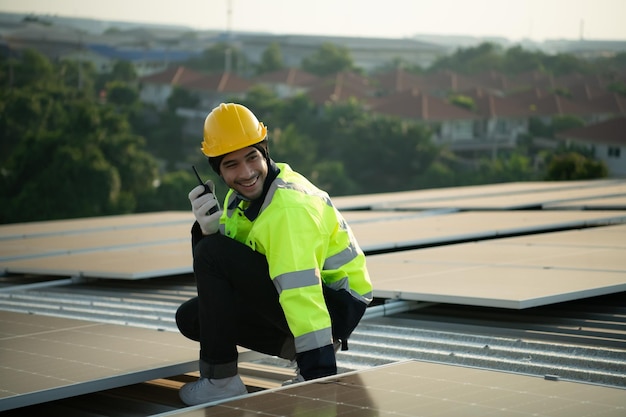
Municipalities face rising utility costs that strain budgets and challenge financial planning. Solar energy offers a clear path to reduce those expenses while tapping into powerful federal incentives like Direct Pay for tax-exempt entities. This post breaks down how city solar projects and school district solar programs can deliver predictable savings, explains ownership and power purchase agreement options, and highlights the incentives that can cover up to 90% of project costs. Ready to see how your municipality can benefit? Learn more about municipal solar savings here.
Municipal Solar Savings Opportunities
Solar energy solutions offer municipalities a promising way to cut down on utility expenses. By investing in city solar projects and school district solar programs, local governments can leverage energy savings and significant federal incentives.
Understanding City Solar Projects
City solar projects are a great option for reducing utility costs. These projects involve installing solar panels on municipal buildings to generate renewable energy. This energy can power city facilities, resulting in lower electricity bills. Additionally, such projects can be implemented on a large scale, covering multiple buildings or even public spaces. The cost savings can be substantial, allowing municipalities to reinvest in other essential services.
Municipalities can also explore partnerships with solar developers. Through a power purchase agreement (PPA), cities can host solar panels without upfront costs and buy the electricity generated at a reduced rate. This approach ensures immediate savings on energy expenses. With the right planning, city solar projects can provide both financial and environmental benefits.
Benefits for School District Solar
School districts can also benefit significantly from solar energy. By installing solar panels on school rooftops or parking lots, districts can reduce their electricity bills while providing a practical learning opportunity for students. The saved funds can be redirected to enhance educational programs, benefiting the entire community.
Moreover, school solar projects often qualify for specific grants and incentives tailored for educational institutions. These financial aids can cover a significant portion of the installation costs, making solar a viable option for budget-conscious districts. By adopting solar energy, schools can demonstrate a commitment to sustainability and inspire the next generation.
Reduce Utility Costs for Municipalities
Reducing utility costs is a top priority for municipalities aiming to manage budgets effectively. Solar energy provides a solution that not only cuts costs but also stabilizes them over time. With solar power, cities can hedge against fluctuating energy prices and future rate increases.
Additionally, the predictable savings from solar projects make financial planning easier for municipal leaders. This predictability enables cities to allocate funds more effectively across other community needs. Overall, solar energy is a strategic investment that promotes long-term financial health for municipalities.
Federal Incentives and Direct Pay

Understanding federal incentives is crucial for maximizing the benefits of solar projects. These incentives, including Direct Pay options, significantly reduce the net cost of solar installations.
Section 48 ITC for Municipalities
The Section 48 Investment Tax Credit (ITC) is a powerful tool for reducing the cost of solar projects. Although municipalities do not pay taxes, they can benefit from the ITC through a tax equity partner. This partnership allows municipalities to receive a portion of the tax credit’s value, effectively lowering project costs. By utilizing the ITC, cities can make solar installations more affordable.
Direct Pay for Tax-Exempt Entities
Direct Pay is a game-changer for tax-exempt entities like municipalities. This incentive allows cities to receive a payment equivalent to the ITC value directly from the federal government. This mechanism eliminates the need for tax equity partners, simplifying the financing process. Direct Pay ensures that municipalities can access significant savings without complicated financial arrangements.
IRA Solar Incentives and Bonus Credits
The Inflation Reduction Act (IRA) introduces additional incentives for solar projects. These include bonus credits for installations that meet certain criteria, such as using domestic content or being located in energy or low-income communities. By meeting these requirements, municipalities can unlock further savings. These incentives enhance the financial attractiveness of solar projects, making them even more viable for public entities.
Solar Financing and Procurement Options

Choosing the right financing and procurement options is crucial to the success of municipal solar projects. These choices impact both the financial outcomes and the feasibility of a project.
Public Sector Solar Financing Paths
Public sector entities can explore various financing paths for solar projects. One option is traditional debt financing, where municipalities borrow funds to cover installation costs and repay the loan over time. Alternatively, grants and subsidies are available from state and federal programs to support solar initiatives.
Another option is the use of bonds, such as green bonds, to finance solar projects. These bonds attract investors interested in sustainable initiatives, providing municipalities with a source of funding that aligns with their environmental goals.
Ownership vs. Power Purchase Agreement for Cities
Cities must decide between owning solar systems and entering into a Power Purchase Agreement (PPA). Ownership involves higher upfront costs but results in greater savings over time. Municipalities can benefit from full control over the system and all associated savings.
On the other hand, a PPA allows cities to install solar panels with no initial investment. Under this arrangement, a developer owns and maintains the system, and the city purchases electricity at a reduced rate. While savings may be lower compared to ownership, the PPA model offers immediate cost reductions without financial risks.
Energy Service Performance Contract Options
Energy Service Performance Contracts (ESPCs) present another viable option for municipalities. Through an ESPC, an energy service company designs and implements energy efficiency measures, including solar installations. These projects are paid for with the savings generated, ensuring no upfront costs for the municipality.
ESPCs can be particularly attractive for cities looking to improve energy efficiency across multiple facilities. By bundling various upgrades, municipalities can achieve comprehensive energy savings while minimizing financial outlays.
Frequently Asked Questions
What are the main benefits of city solar projects?
City solar projects lower electricity bills for municipal buildings, offering significant cost savings. They also promote energy independence and allow cities to take advantage of federal incentives like the ITC.
How can school districts fund solar installations?
School districts can fund solar installations using grants and incentives tailored for educational institutions. These financial aids can cover a substantial portion of the costs, making solar energy accessible for schools.
What is Direct Pay for tax-exempt entities?
Direct Pay allows tax-exempt entities, like municipalities, to receive a payment from the federal government equivalent to the ITC value, simplifying the financing process and increasing project affordability.
How do Energy Service Performance Contracts work?
ESPCs involve an energy service company implementing energy efficiency measures, with projects paid for through the savings generated, ensuring no upfront costs for municipalities.
What financing paths are available for municipal solar projects?
Financing paths for municipal solar projects include traditional debt financing, grants, subsidies, and green bonds. Each option offers different benefits and considerations for public sector entities.