Bloom Energy stock has caught the eye of many CFOs looking for clean energy investments. But does owning BE stock deliver the predictable savings your budget needs? On-site solar, backed by federal incentives like the 30% ITC and bonus adders, offers a clearer path to stable cash flow and reduced operating expenses. Let’s break down why a tailored commercial solar solution might provide more reliable returns than clean energy stocks. Explore more about BE stock.
Understanding Bloom Energy Stock
Before diving into investments, it’s good to understand what you’re putting your money into. Let’s explore what Bloom Energy stock involves and how it compares to solar solutions.
What is BE Stock?
Bloom Energy Corporation focuses on producing clean, reliable energy. It specializes in fuel cell technology, offering an alternative to traditional energy sources. Investments in BE stock mean you’re banking on the company’s growth and technological advancements. But remember, investing in stocks comes with its own set of risks and uncertainties.
Clean Energy Stocks vs Solar
Choosing between clean energy stocks and solar installations can be tricky. Stocks like BE offer potential for financial growth tied to market performance, but they can be volatile. On the other hand, solar installations provide a tangible asset that generates energy savings over time. Solar installations are also backed by incentives, making them a stable choice.
Assessing the Risks and Rewards
Investing in stocks like BE might seem appealing due to potential returns. However, market fluctuations can impact those returns. In contrast, investing in solar installations offers more predictable savings. Solar solutions are supported by federal tax credits, which can significantly lower out-of-pocket costs. This stability can make solar a safer bet for long-term financial planning.
Benefits of On-Site Solar

Now that we have a snapshot of clean energy stocks versus solar, let’s delve into the specific benefits of choosing on-site solar for your business.
Commercial Solar ROI Explained
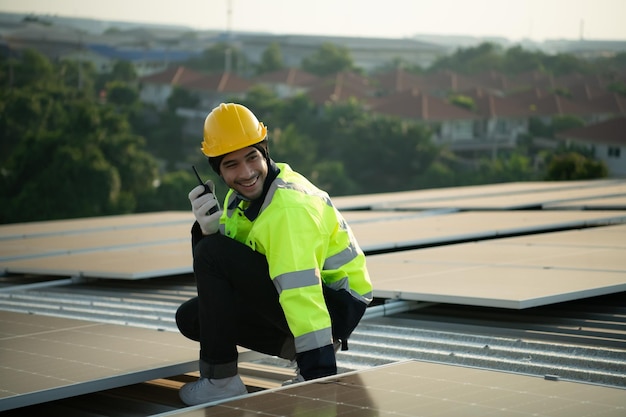
Commercial solar projects offer impressive returns on investment (ROI). They convert unused roof space into a power-generating asset, reducing utility costs. Businesses often see significant savings, with solar systems paying for themselves over time. With a well-structured plan, solar installations can cover a large portion of energy consumption, ultimately boosting your bottom line.
Predictable Energy Savings
Solar systems offer consistent energy savings. By harnessing sunlight, you can lower your monthly utility expenses. This predictability helps in budgeting and financial planning. Unlike stocks, which fluctuate, solar provides a steady reduction in energy costs, giving you peace of mind.
Federal Solar Tax Credit Insights
Federal incentives make solar investments more attractive. The 30% Investment Tax Credit (ITC) allows businesses to deduct a portion of their solar costs from taxes. Bonus ITC adders and MACRS depreciation further enhance savings. These incentives make solar a financially sound decision, reducing upfront costs and improving ROI.
Making the Right Choice

As you’ve seen, there are compelling reasons to consider solar over stocks. Let’s weigh how commercial solar incentives stack up against other options and the potential savings they offer.
Comparing Commercial Solar Incentives
Solar incentives are designed to make installations affordable. Programs like the 30% ITC and MACRS depreciation cover a significant portion of costs. Unlike stocks, where returns are uncertain, these incentives provide clarity on savings. By capturing these incentives, you can reduce the financial burden of solar installations.
Reducing Operating Expenses with Solar
Solar installations help in cutting operational costs. They transform a variable expense into a fixed asset. By generating your own power, you minimize reliance on grid electricity, leading to substantial savings. This cost control can improve cash flow, making solar an appealing option.
Raya Solar’s Free Energy Savings Report
Raya Solar offers a free Energy Savings Report to help you understand potential savings. This report provides insights into how much you can save by switching to solar. It’s a straightforward way to see if solar aligns with your financial goals. Learn more about how solar can impact your energy costs.
Frequently Asked Questions
What are the primary benefits of investing in solar over stocks?
Solar provides predictable energy savings and is backed by federal incentives, offering a more stable ROI compared to the fluctuating stock market.
How do federal incentives work for solar installations?
The 30% ITC allows you to deduct a portion of solar costs from taxes. This, combined with MACRS depreciation, significantly reduces out-of-pocket expenses.
Can solar installations really reduce operating expenses?
Yes, by generating your own electricity, you lower reliance on the grid, which decreases monthly utility bills and stabilizes expenses.
What does the free Energy Savings Report from Raya Solar include?
The report analyzes potential savings from switching to solar, helping businesses see how solar aligns with their financial goals.
Are there risks involved in choosing solar over stocks like Bloom Energy?
While both have risks, solar offers more stable returns through energy savings and incentives, whereas stocks are subject to market volatility.