Rising energy costs are squeezing your budget tighter every year. For municipalities and nonprofits, this pressure can stall important programs and services. Solar planning offers a clear path to budget relief by cutting utility spend and tapping into federal solar incentives like IRA Direct Pay. This step-by-step guide will help you move confidently toward a funded solar project with predictable savings and steady energy cost control. For more information, visit this useful resource.
Understanding Municipal Solar Benefits
Switching to solar energy can dramatically change how municipalities manage their budgets. It’s more than just saving on power bills; it’s about financial sustainability.
Budget Relief Through Solar Power
Solar power greatly reduces electricity costs, freeing up funds for other vital services. Imagine your energy bills dropping significantly, with those savings redirected to community programs. Many municipalities have already seen their electricity expenses cut by 20% or more. That’s not just budget relief, it’s an opportunity to invest elsewhere.
Federal Solar Incentives Explained
Federal solar incentives play a critical role in making solar projects affordable. Programs like the Investment Tax Credit (ITC) can help offset the initial costs. These incentives can cover up to 30% or more of project expenses. By participating in these programs, municipalities can significantly reduce the financial burden of going solar. For more details, you can explore this comprehensive guide.
Energy Cost Control Strategies
Controlling energy costs is about more than just installing solar panels. Smart strategies, such as solar storage and energy-efficient systems, can stabilize expenses. This approach ensures predictable energy budgets and minimizes the impact of fluctuating energy prices. Simple adjustments, like optimizing when energy is used, can enhance savings further.
Nonprofit Solar Planning Essentials
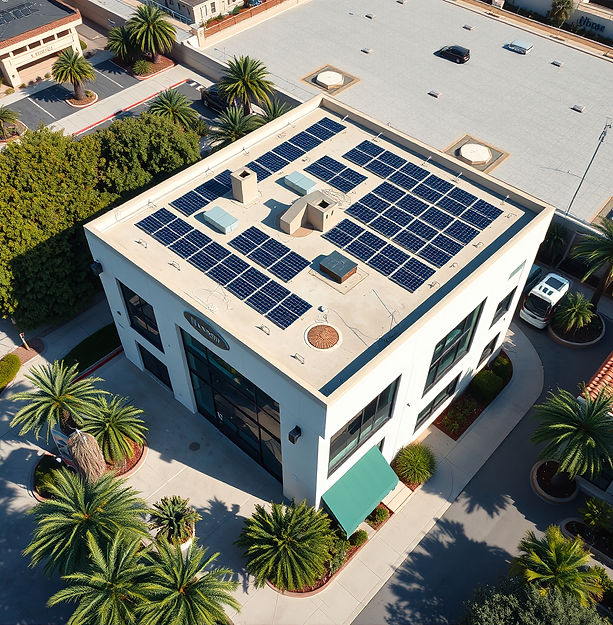
For nonprofits, solar energy is a way to support their mission without financial strain. Let’s explore key essentials for planning a solar project.
Navigating Solar Incentives for Nonprofits
Nonprofits have unique opportunities to access solar incentives. Programs designed specifically for tax-exempt entities can cover significant portions of solar project costs. Often, these incentives are critical in making solar projects financially feasible for nonprofits. To understand how these programs work, you can visit this resource.
IRA Direct Pay and Elective Pay
The IRA Direct Pay option allows nonprofits to receive a payment equal to the tax credit value. This is particularly beneficial as it provides funds without needing tax liability. Elective pay options can also provide flexibility in financing solar projects, making them more accessible.
Grant Funding for Solar Projects
Grants can be pivotal for nonprofit solar projects. Many organizations find that combining grants with federal incentives maximizes their funding opportunities. By applying for grants, nonprofits can reduce upfront costs and make solar projects more achievable. Explore strategic approaches to grant funding here.
Crafting a Solar Project Roadmap

Planning a solar project involves clear steps to ensure success. This roadmap outlines the critical phases to consider.
Turnkey Commercial Solar Solutions
Turnkey solutions simplify the solar process by handling everything from design to installation. This comprehensive approach minimizes disruptions and ensures projects are completed efficiently. With experts managing each phase, municipalities and nonprofits can focus on their primary objectives without getting bogged down in technical details.
Exploring PPA for Nonprofits
Power Purchase Agreements (PPA) offer a no-cost way for nonprofits to access solar energy. PPAs involve third-party ownership of the solar system, where the nonprofit buys the electricity at a reduced rate. This arrangement means no upfront costs and immediate savings on energy bills. More details on implementing solar PV for local governments can be found here.
Solar Planning Checklist for Success
A solar planning checklist ensures each step is accounted for, from evaluating energy needs to securing financing. Here’s a simple checklist:
-
Assess Energy Needs: Understand your current energy usage and future requirements.
-
Research Incentives: Identify all available incentives and grants.
-
Choose a Solution: Decide between ownership or PPA based on financial and operational goals.
-
Select a Vendor: Partner with an experienced solar provider.
-
Monitor Performance: Regularly evaluate the system to ensure optimal performance.
Frequently Asked Questions
What are the benefits of municipal solar projects?
Municipal solar projects offer significant budget relief by reducing electricity costs. They also provide long-term energy cost control and help municipalities meet sustainability goals.
How can nonprofits afford solar installations?
Nonprofits can leverage federal incentives, grants, and Power Purchase Agreements (PPAs) to fund solar projects. These resources minimize upfront costs and make solar installations financially viable.
What is a Power Purchase Agreement (PPA)?
A PPA is an agreement where a third party owns the solar system and sells the electricity generated to the nonprofit at a reduced rate, eliminating upfront installation costs.
How can federal incentives help with solar projects?
Federal incentives, such as the Investment Tax Credit, can cover a significant portion of solar project costs, making them more affordable for municipalities and nonprofits.
What is IRA Direct Pay, and how does it benefit nonprofits?
IRA Direct Pay allows nonprofits to receive payments equivalent to tax credits, even without tax liability, providing crucial funding for solar projects.