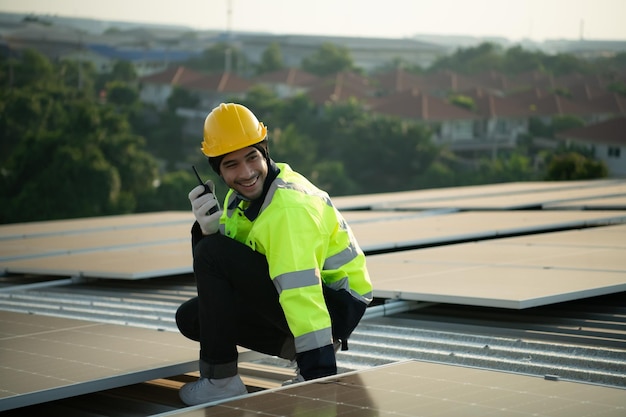
Bank of America HELOC might seem like a quick fix for solar financing, but it often misses key opportunities to save your business money. You deserve a strategy that taps into federal incentives and protects your cash flow while cutting operating costs. Let’s explore smarter commercial financing options that deliver clear savings and long-term value for your solar project. For more information on HELOC options, you can visit this page.
Rethinking Commercial HELOC for Solar
Bank of America HELOC Basics
A Home Equity Line of Credit, or HELOC, provides access to funds based on the equity in your property. With Bank of America, you can find HELOC options here. This financing can offer flexibility, allowing you to borrow as needed. However, it’s essential to understand how this line of credit operates.
HELOCs often have variable interest rates, which means your payments could fluctuate. While these rates might initially seem appealing, they can rise, impacting your budget. Additionally, HELOCs require repayment, much like a credit card, which can lead to long-term financial commitments. It’s crucial to weigh these aspects carefully when considering HELOCs for solar financing.
Limitations of HELOC for Business
Using a HELOC for business needs, such as solar projects, may seem straightforward. However, there are pitfalls. For instance, tying personal property to business investments can be risky. Learn more about the implications of using personal equity for business purposes.
Another limitation is the interest rate risk. If rates climb, your payments increase, affecting cash flow. Additionally, tapping into HELOCs might limit future borrowing capacity. These factors can strain both personal and business finances, making HELOCs less ideal for long-term solar projects.
Comparing Business Line of Credit Options
Exploring other lines of credit can reveal options better suited for businesses. Unlike HELOCs, business lines of credit are designed specifically for business needs. They offer flexibility without risking personal assets. Here is some additional information on applying for a home equity line from Bank of America.
Business lines often have fixed rates, providing stability as you plan solar investments. These options also typically require less personal collateral, reducing personal risk. By choosing a business-focused line of credit, you protect both your business and personal assets, creating a more secure financing strategy.
Exploring Smarter Solar Financing

Solar Financing for Businesses Explained
Switching to solar is not just about saving the planet; it’s about smart financial strategy. Businesses have various financing options designed to lower energy costs and offer long-term savings. Solar financing solutions are crafted to suit business needs, offering unique benefits.
Options like operating leases or power purchase agreements (PPAs) allow businesses to go solar with minimal upfront costs. These arrangements often include fixed payments, helping businesses manage budgets effectively. By choosing tailored solar financing, you maximize savings and reduce operational expenses over time.
Commercial Solar Incentives: Get More Value
Incentives play a crucial role in making solar investments more appealing. Federal and state programs offer tax credits and bonuses, significantly reducing costs. Businesses can leverage these incentives to enhance their solar investment value.
Programs like the Investment Tax Credit (ITC) can cover a substantial portion of installation costs. Additionally, bonus depreciation options allow businesses to deduct a large percentage of the solar system cost in the first year. By understanding and utilizing these programs, businesses can capture greater savings and improve their financial performance.
Cash Flow Positive Solar: How It Works
Solar projects can become cash flow positive, meaning they generate more savings than they cost. This happens when energy savings exceed financing costs. By structuring financing intelligently, businesses can achieve this positive cash flow quickly.
Investing in solar with the right financing ensures that savings from reduced energy bills cover loan payments. Over time, as energy costs rise, your solar savings increase. By choosing cash-flow-positive solar options, businesses can effectively manage budgets and achieve financial stability.
Federal Incentives and Energy Savings

Investment Tax Credit 30% Benefits
The Investment Tax Credit (ITC) offers businesses a 30% tax credit on solar installation costs. This significant reduction lowers the financial burden of going solar. By applying the ITC, businesses can slash upfront costs and improve return on investment.
Using the ITC not only reduces immediate expenses but also enhances long-term savings. With solar investments, businesses can reinvest savings into growing operations. Understanding the ITC’s benefits is crucial for maximizing solar project value and financial efficiency.
Bonus Depreciation Solar Opportunities
Bonus depreciation provides another avenue for cost savings. Businesses can deduct a large percentage of solar equipment costs in the first year. This accelerated depreciation reduces taxable income, leading to immediate savings.
By integrating bonus depreciation with other incentives, businesses amplify their financial returns. This strategy optimizes tax benefits, ensuring that solar investments are financially sound. Taking advantage of bonus depreciation is key to effective solar financing.
Direct Pay for Nonprofits Explained
For nonprofits, Direct Pay offers a way to benefit from solar incentives without tax liabilities. Nonprofits can receive a cash payment equivalent to the tax credit amount. This makes solar projects viable, even without tax obligations.
Direct Pay empowers nonprofits to invest in solar, reducing energy costs and supporting sustainability goals. By leveraging Direct Pay, these organizations can maximize savings and enhance their financial health. Nonprofits can thus achieve both environmental and economic benefits through solar projects.
Frequently Asked Questions
What is a HELOC?
A Home Equity Line of Credit (HELOC) is a revolving credit line secured by your home’s equity. It allows you to borrow as needed, but requires careful management due to variable interest rates.
Is a HELOC suitable for solar financing?
While HELOCs offer flexibility, they may not be the best choice for solar financing due to personal asset risk and interest rate variability. Business-specific financing options may provide better terms.
What is the Investment Tax Credit (ITC)?
The ITC provides a 30% tax credit for solar installation costs. It reduces the upfront financial burden, offering significant savings and improving return on investment.
How can businesses benefit from solar incentives?
Businesses can leverage incentives like the ITC and bonus depreciation to lower installation costs and improve financial returns. These programs enhance the value of solar investments.
What is Direct Pay for nonprofits?
Direct Pay allows nonprofits to receive cash payments equivalent to tax credits. This enables them to benefit from solar incentives without having tax liabilities, supporting sustainable investments.