Most commercial solar savings reviews miss key details that affect your ROI and risk. You could be leaving hundreds of thousands in incentives on the table without realizing it. Knowing exactly what to prepare—like utility bills, tariff analysis, and incentive options—lets you get a clear picture of your savings and payback timeline. This guide will help you approach your commercial solar savings review with confidence and clarity. For more insights, check out this guide on avoiding common mistakes.
Preparing for Your Review
Starting a commercial solar savings review can feel overwhelming, but it doesn’t have to be. By preparing the right documents and understanding key concepts, you can ensure a smooth process.
Gathering Essential Documents
To begin, collect all necessary paperwork. Start with your utility bills from the past 12 months. These provide a clear picture of your current energy usage and costs. Make sure to include any demand charges, as these can significantly impact your savings.
Next, gather any existing contracts or agreements related to your energy usage. This might include agreements with energy providers or existing solar contracts. Having these documents ready helps avoid any surprises during the review process.
Don’t forget about your site’s technical information. This includes details about your building’s structure, roof type, and any existing energy systems. These details will play a crucial role in designing a solar solution that fits your needs.
Understanding Utility Tariffs
Utility tariffs can be confusing, but understanding them is essential for accurate savings calculations. Tariffs determine how much you pay for energy, and they can vary based on time and usage.
Begin by identifying your current tariff structure. Is it a flat rate, or does it change based on peak and off-peak hours? Knowing this helps you capitalize on solar energy during the most expensive times.
Consider potential changes to your tariff. Some regions offer specific tariffs for solar users, which might affect your long-term savings. Understanding these options allows you to make informed decisions about your energy strategy.
Analyzing Interval Data
Interval data offers a deeper look into your energy usage patterns. By examining data from short intervals, like 15 minutes, you can identify usage spikes and trends.
Start by reviewing your interval data to spot any unusual patterns. Are there specific times of day when your energy use peaks? Identifying these patterns helps optimize your solar system for maximum efficiency.
Use this data to explore demand management opportunities. By shifting usage to off-peak times, you can reduce demand charges and enhance your overall savings. For more insights, you can read this article on maximizing solar savings.
Maximizing Solar Incentives
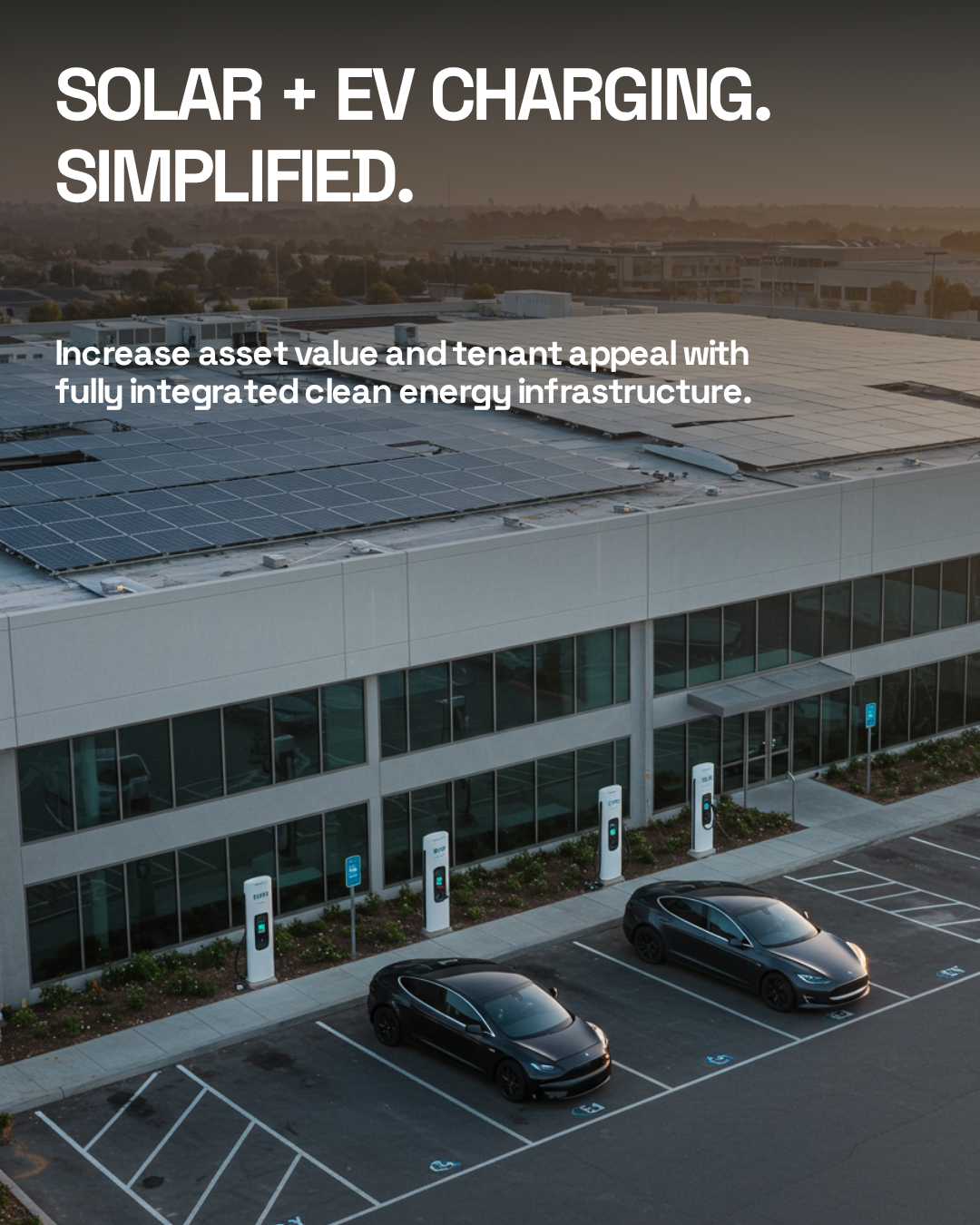
Capturing solar incentives can significantly reduce your overall project costs. Understanding the available incentives and how to apply for them is crucial.
Federal Solar Tax Credit ITC
The Federal Solar Tax Credit (ITC) is a major incentive for commercial solar projects. It allows you to deduct a portion of your solar installation costs from your federal taxes.
For 2023, the ITC provides a 30% tax credit for solar installations. This can lead to substantial savings on your project’s overall cost. It’s important to understand the specific requirements to qualify for this credit.
Make sure to stay updated on any changes to the ITC. While it’s currently set at 30%, future adjustments could impact your savings. Planning now ensures you don’t miss out on this valuable incentive.
MACRS Solar Depreciation
The Modified Accelerated Cost Recovery System (MACRS) offers another significant financial benefit. It allows businesses to recover solar investment costs through depreciation deductions.
MACRS enables you to depreciate the cost of your solar system over five years. This accelerated depreciation results in a faster return on your investment and improved cash flow.
Understanding MACRS can be complex, but it’s worth the effort. Work with a tax professional to ensure you’re maximizing this opportunity and aligning it with your overall financial strategy.
Inflation Reduction Act Benefits
The Inflation Reduction Act introduces additional benefits for solar projects. This act aims to curb inflation by supporting renewable energy investments.
One key benefit is the potential for bonus credits under certain conditions. For instance, using domestic content or being part of an energy community can increase your savings.
Stay informed about these benefits, as they can vary based on your project’s specifics. Leveraging these opportunities can enhance your project’s financial viability and sustainability.
Evaluating Financing Options

Choosing the right financing option is crucial for optimizing your solar investment. Consider your long-term goals and financial situation when evaluating these options.
Comparing PPA vs Loan
A Power Purchase Agreement (PPA) and a loan offer two distinct financing paths. Under a PPA, you pay for the electricity generated by the solar system at a predetermined rate.
Loans, on the other hand, involve borrowing money to purchase the solar system outright. This often results in owning the system and potentially greater long-term savings.
Consider your cash flow, tax benefits, and ownership preferences when choosing between these options. Both have unique advantages, so understanding them is key to making the right choice.
Benefits of Direct Pay for Nonprofits
Nonprofits often face challenges accessing traditional solar incentives. However, the Direct Pay option provides a valuable alternative.
Direct Pay allows nonprofits to receive a refund for the value of solar tax credits. This makes solar projects more financially feasible for organizations without tax liability.
By exploring Direct Pay, nonprofits can leverage solar energy without straining their budgets. This option opens new opportunities for sustainability and financial savings.
Battery Storage for Demand Management
Battery storage enhances the effectiveness of your solar system. It allows you to store excess solar energy for use during peak hours or power outages.
With battery storage, you can reduce reliance on the grid and lower demand charges. This not only improves your energy independence but also maximizes your solar investment.
Consider integrating battery storage into your solar project for increased resilience and cost savings. It’s a strategic way to manage energy demands and optimize your overall solar strategy.
Frequently Asked Questions
What documents do I need for a commercial solar savings review?
You’ll need 12 months of utility bills, existing energy contracts, and site technical details. These documents provide a comprehensive view of your energy usage and help tailor a solar solution.
How do utility tariffs affect my solar savings?
Tariffs impact when and how much you pay for electricity. Understanding your tariff structure helps optimize solar energy use during peak cost times, enhancing savings.
What is the Federal Solar Tax Credit (ITC)?
The ITC allows you to deduct 30% of your solar installation costs from federal taxes. It’s a significant incentive that reduces your project’s overall expense.
How does MACRS depreciation benefit me?
MACRS allows you to depreciate solar costs over five years, improving cash flow and accelerating your return on investment.
What are the financing options for commercial solar projects?
Common options include Power Purchase Agreements (PPAs) and loans. Each has unique benefits, so consider your financial situation and goals when choosing.