Energy costs are climbing without pause, and your budget feels the squeeze every month. Commercial solar offers a way to reduce operating expenses and bring stability to your cash flow. Beyond just savings, it taps into federal solar incentives that can cover a large part of your investment. Let’s explore how your business can control energy volatility and turn rising costs into predictable expenses. For more insights, check out this helpful resource.
Stabilizing Operating Expenses with Solar
Does rising energy stress your budget? Solar power could be the answer. By switching to solar, you can cut down energy costs, bringing stability to your finances. It’s not just about savings. Solar power provides a predictable energy expense, transforming how your business manages its budget. Here’s how it works.
Control Energy Costs Effectively
Solar energy helps you manage your energy bills. By installing solar panels, you start generating your own power, reducing reliance on more expensive utility sources. Imagine reducing those monthly energy expenses that keep increasing. Solar power offers that advantage. You can expect a noticeable cut in costs which means more money stays within your business.
With solar, your energy costs become more predictable. This predictability allows you to plan your expenses better. It’s a smart move for any business looking to control its financial future. Worried about the initial cost? There are various financing options available to ease the transition.
Improve Cash Flow and Predictability
Solar energy provides more than just savings on your bill; it boosts your cash flow. By generating your own power, you cut down on what you owe to utility providers. Over time, these savings accumulate, improving your financial health. It’s a strategy that pays off as time goes on.
Better predictability in your expenses leads to improved cash flow. Businesses thrive on stable finances, and solar power offers just that. By reducing uncertainty in energy costs, you can allocate funds to other crucial areas of your operations, enhancing overall business performance.
Utility Bill Savings Analysis
Curious about the impact on your utility bill? Let’s analyze it. By adopting solar, you can see a significant reduction in your monthly utility expenses. The shift to solar means you’re not just paying for energy; you’re investing in a self-sustaining solution.
Utility bill savings are more than just numbers. They represent opportunities for growth and improved financial planning. With less spent on energy, your business can focus on expanding and improving other aspects, creating a cycle of growth and sustainability.
Leveraging Federal and State Incentives
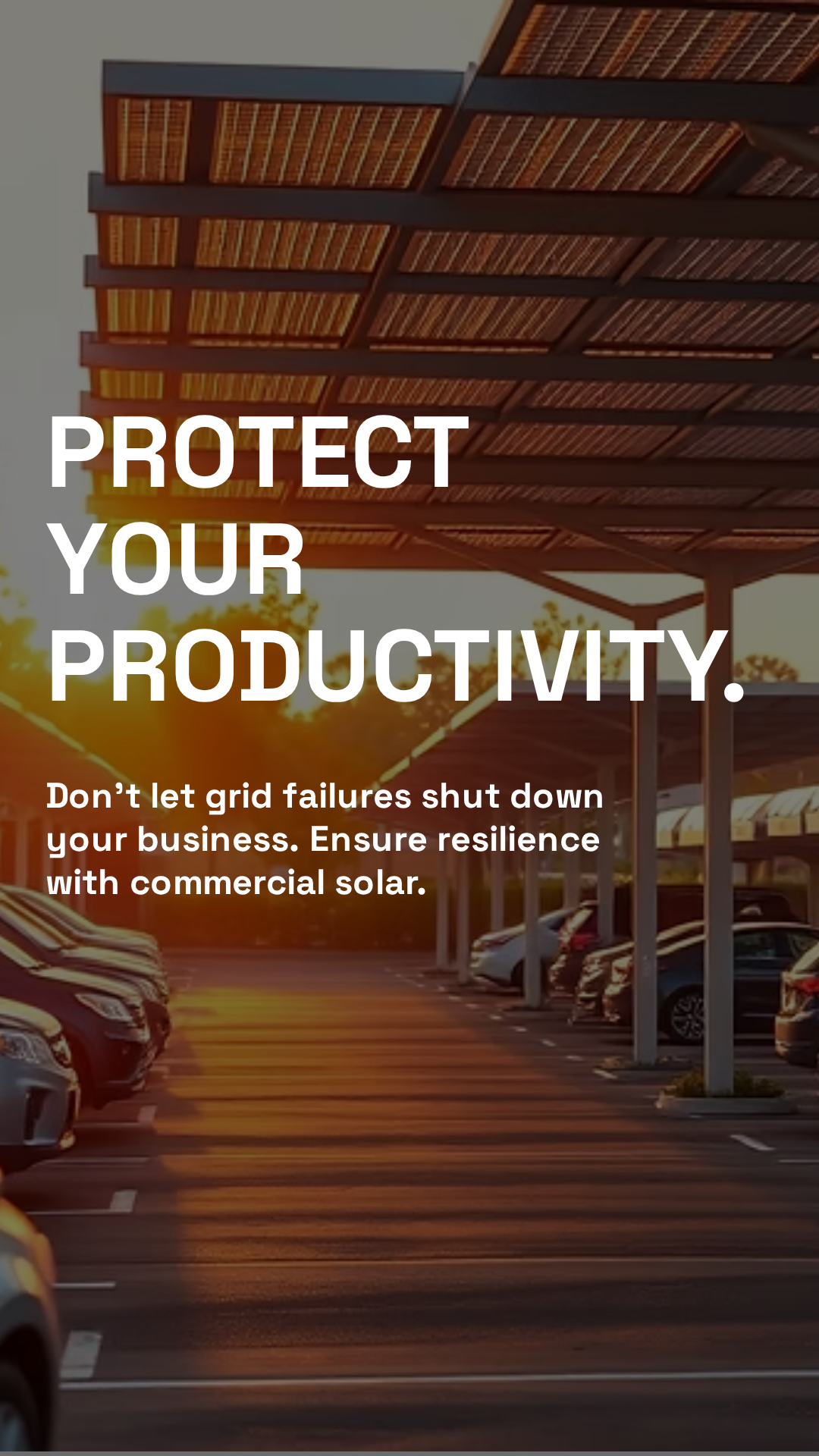
The government offers incentives to encourage businesses to switch to solar. These incentives can drastically reduce the cost of installation and operation. It’s an opportunity you don’t want to miss, providing financial relief and boosting your return on investment.
Federal Solar Incentives Overview
Federal incentives make solar power more accessible. Programs like the Investment Tax Credit (ITC) allow you to deduct a significant percentage of your solar installation costs. This deduction makes solar investment more appealing, reducing the initial financial hurdle.
The ITC is available to businesses that install solar systems. This program allows you to claim a portion of your investment, directly lowering your tax bill. It’s a benefit that can’t be overlooked, making solar energy a financially savvy choice for any forward-thinking business owner.
Understanding Solar Tax Credit ITC
The Solar Tax Credit ITC is a game-changer. By offering a tax credit to businesses, it reduces the overall cost of your solar investment. This reduction makes solar more affordable and attractive, encouraging more businesses to go green.
This credit covers a significant portion of your solar costs, easing the financial strain. It’s a straightforward way to boost your bottom line while supporting clean energy. Take advantage of this incentive to make solar power a reality for your business.
Municipal Solar Incentives and Nonprofit Options
Municipalities and nonprofits have unique opportunities. Special incentives cater to these sectors, helping them reduce energy costs and support sustainability goals. These incentives make solar a practical choice, enabling these organizations to operate more efficiently.
For nonprofits, solar energy means more funds can be allocated to their core missions. For municipalities, solar reduces operational costs, freeing up budget for other community projects. It’s a win-win for everyone involved.
Exploring Commercial Solar Financing Options
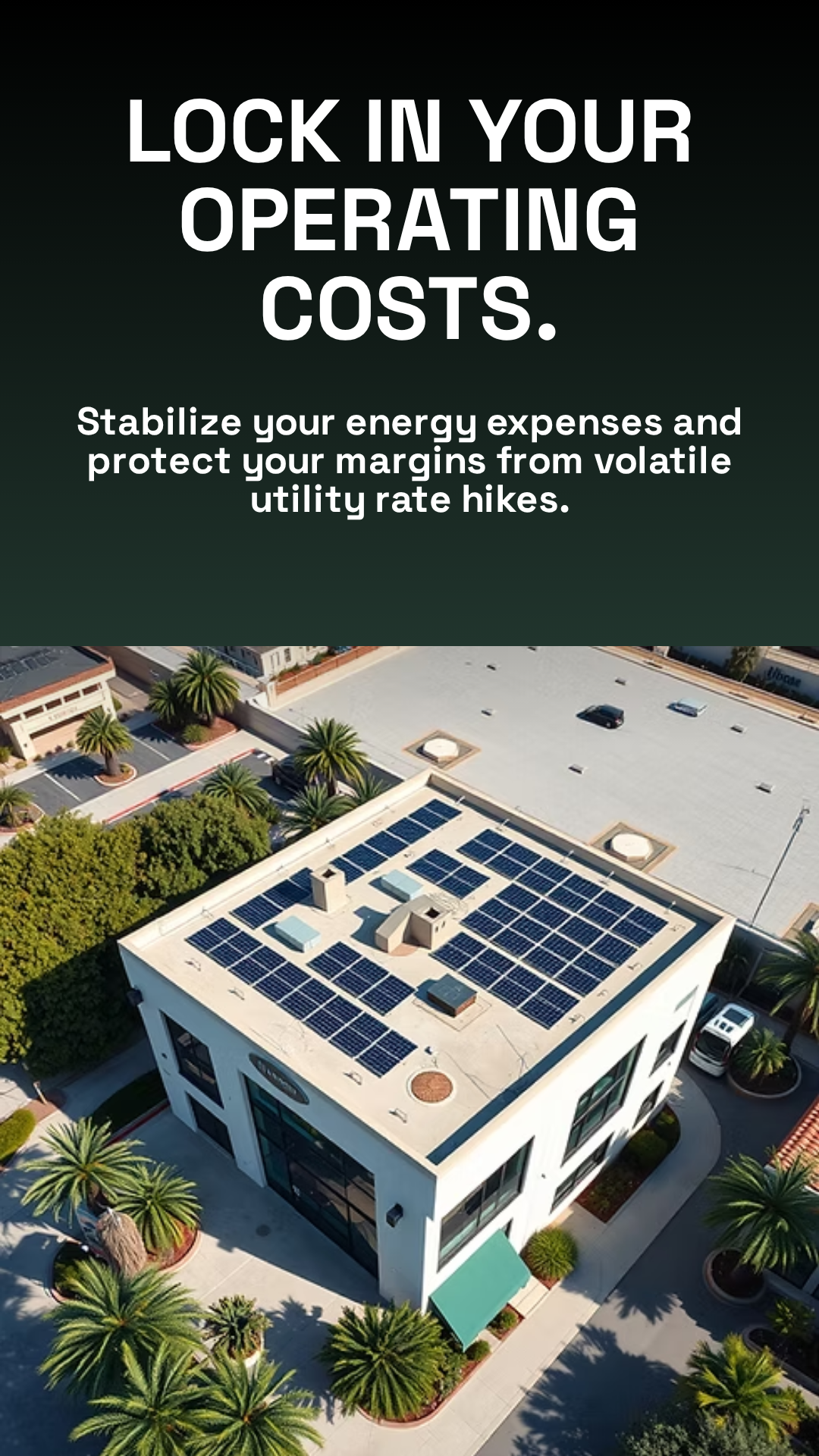
Financing can turn solar power from a dream into a reality. With a range of options available, businesses can find a plan that suits their financial situation. It’s about making solar accessible and practical for all.
PACE Financing Benefits
PACE financing is a popular choice for businesses. It allows you to finance solar installations through property taxes, spreading costs over time. This method makes solar more attainable, even for businesses with tight budgets.
With PACE, you enjoy the benefits of solar without the immediate financial burden. It’s a smart way to start saving on energy while managing your finances effectively. Explore PACE as a viable option to harness solar power for your business.
Demand Charge Reduction Strategies
Demand charges can be a significant expense for businesses. Solar power helps reduce these charges, lowering your overall energy costs. By generating your own energy, you decrease peak demand, which in turn reduces what you pay.
Understanding demand charge strategies is crucial. It’s not just about cutting costs but optimizing your energy use. Solar power offers a solution, helping you manage energy demand more effectively and save money in the process.
Long-term Commercial Solar ROI
The return on investment for solar is compelling. Over the long term, solar power provides substantial savings. It lowers energy costs and stabilizes expenses, improving your business’s financial health.
Investing in solar is investing in your future. The long-term savings allow you to allocate funds to other areas, boosting growth and sustainability. It’s a strategic move that pays off, providing both financial and environmental benefits.
Frequently Asked Questions
What incentives are available for commercial solar?
Federal and state incentives are available, including the Investment Tax Credit (ITC), which covers a significant portion of solar installation costs. These incentives make solar more affordable and attractive for businesses.
How does solar power impact utility bills?
Solar power reduces dependence on utility providers, leading to lower energy bills. By generating their own power, businesses can see a significant reduction in monthly expenses, improving cash flow.
What is PACE financing?
PACE financing allows businesses to finance solar installations through property taxes. This method spreads the cost over time, making solar more accessible and reducing the immediate financial burden.