
Home equity loan rates today might seem like the go-to for borrowing, but they often miss the bigger picture for businesses. What if your financing choice could cut 70–90% of your solar project costs through federal incentives? Smart commercial solar financing options like C-PACE, solar PPAs, and leases offer more than just borrowing—they stabilize energy costs and boost your ROI. Keep reading to see how these alternatives stack up and get your free Energy Savings & Incentive Report with a clear financing comparison. Explore Home Equity Loan Rates.
Understanding Home Equity Loan Rates
When it comes to financing, home equity loan rates often grab attention. But are they truly the best fit for your business needs? Let’s break down what these rates entail and why they might not be your best option.
Current Home Equity Rates Today
Home equity loan rates have traditionally offered a way to tap into the equity you’ve built in your property. These rates can vary based on several factors including credit score, borrowing amount, and lender terms. As of now, rates are influenced by market conditions, making them potentially less predictable than in the past. With an average range between 3% to 6%, they appear attractive but may come with hidden costs and inflexibility for business applications. For the latest figures, you can check out Bankrate’s guide.
Comparing HELOC Rates for Businesses
HELOC, or Home Equity Line of Credit, offers more flexibility than a fixed loan by letting you borrow as needed. Current HELOC rates are slightly variable but typically range between 3% and 7%, depending on your credit profile and the lender. While appealing, HELOCs require collateral, which means your property is at risk. For businesses, this can tie up valuable assets and limit financial agility. Learn more about HELOC options from Navy Federal.
Smart Solar Financing Options
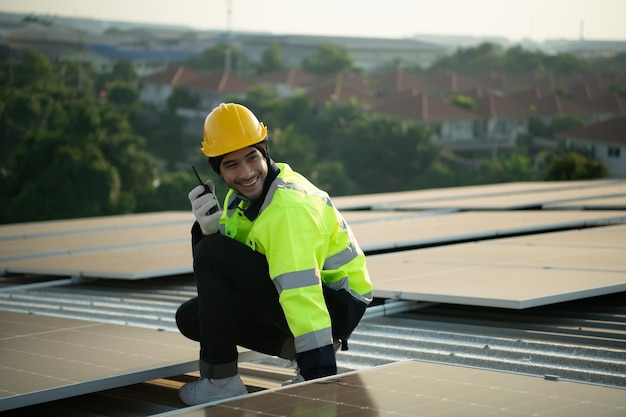
If you’re searching for a way to stabilize energy costs and increase ROI, commercial solar financing might be the answer. These options offer a strategic approach to funding renewable energy projects.
Exploring Commercial Solar Financing
Commercial solar financing provides tailored solutions like C-PACE and solar operating leases. These methods reduce upfront costs and often include incentives, cutting project expenses by up to 90%. For instance, commercial solar panel financing can improve cash flow and mitigate energy price volatility. Unlike traditional loans, these solutions are structured to enhance financial predictability and align with your business objectives.
Benefits of C-PACE Financing and Solar PPA
C-PACE financing allows property owners to pay for renewable energy upgrades through property assessments. This results in fixed, long-term payment terms that can lead to immediate savings. Meanwhile, solar PPAs (Power Purchase Agreements) offer no upfront costs while enabling you to pay only for the energy produced. Both methods provide unique opportunities to control and reduce operational expenses without sacrificing capital. Such financing options are instrumental in achieving sustainability goals while enhancing financial performance.
Maximizing Solar Incentives

Unlocking solar incentives is crucial for maximizing the financial advantages of renewable energy projects. Let’s explore how you can benefit from these incentives.
Understanding the Investment Tax Credit 30%
The Investment Tax Credit (ITC) has been a game changer for solar investments, allowing businesses to deduct 30% of their solar project costs from their taxes. This credit significantly reduces the financial burden of installing solar systems, making them a more viable option for many businesses. It’s important to act promptly, as these credits can change based on legislative policies.
Leveraging Federal Solar Incentives and Bonuses
Federal solar incentives, including bonus depreciation and direct pay options for nonprofits, offer substantial financial relief. These incentives can cover a considerable portion of project costs and are designed to encourage sustainable practices. For instance, the domestic content bonus offers additional savings for using locally sourced materials. By strategically utilizing these incentives, businesses can realize significant cost reductions and improve their bottom line while supporting environmental sustainability.
Frequently Asked Questions
What are the current home equity loan rates?
Home equity loan rates currently range from 3% to 6%, depending on factors like credit score and market conditions. These rates may vary and are subject to change based on lender policies and economic shifts.
How does C-PACE financing work for solar projects?
C-PACE financing provides a way for property owners to fund energy efficiency upgrades through property tax assessments. This method offers long-term, fixed-rate financing that can improve cash flow from the start.
What is the Investment Tax Credit 30%?
The Investment Tax Credit (ITC) allows businesses to deduct 30% of their solar project costs from their taxes. This credit significantly reduces the initial financial outlay, making solar projects more affordable.
How can businesses benefit from solar PPAs?
Solar PPAs allow businesses to pay only for the energy produced by the solar system, with no upfront costs. This agreement can lower energy prices and increase predictability in energy expenses.
Are there federal incentives available for non-profits?
Yes, non-profits can access direct pay options, which offer financial benefits similar to tax credits. These incentives help reduce the cost of solar projects, making them feasible for organizations focused on sustainability.


One Response